


The REDMI Note series has long been a staple for Xiaomi fans seeking premium mid-range smartphones with impressive camera setups. Over the years, Xiaomi consistently upgraded the main camera sensors across the REDMI Note lineup, improving resolution, sensor size, and video recording capabilities. But recent trends in the series’ camera hardware raise a question: Is Xiaomi slowing down innovation in the REDMI Note line, or even gradually sidelining it?
Evolution of Main Camera Sensors and Video Recording in REDMI Note Devices
A clear progression emerges when analyzing sensor sizes and video recording specs from the REDMI Note 5 Pro to the latest REDMI Note 17 Pro:
- Redmi Note 5 Pro: 12MP 1/2.9”, 1080p30
- Redmi Note 6 Pro: 12MP 1/2.55”, 1080p30
- Redmi Note 7 Pro: 48MP 1/2”, 4K30
- Redmi Note 8 Pro: 64MP 1/1.7”, 4K30
- Redmi Note 9 Pro: 64MP 1/1.7”, 4K30
- Redmi Note 10 Pro: 108MP 1/1.52”, 4K30
- Redmi Note 11 Pro: 108MP 1/1.52”, 1080p30
- Redmi Note 12 Pro: 50MP 1/1.56”, 4K30
- Redmi Note 13 Pro: 200MP 1/1.4”, 4K30
- Redmi Note 14 Pro: 50MP 1/2”, 4K30
- Redmi Note 15 Pro: 200MP 1/1.4”, 4K30
- Redmi Note 17 Pro: 50MP, 1/2.76”, 1080p30
This back-and-forth pattern clearly shows Xiaomi alternating between flagship-level sensors like the 200MP 1/1.4” model and more modest setups such as the latest Note 17 Pro’s 50MP 1/2.76” sensor.
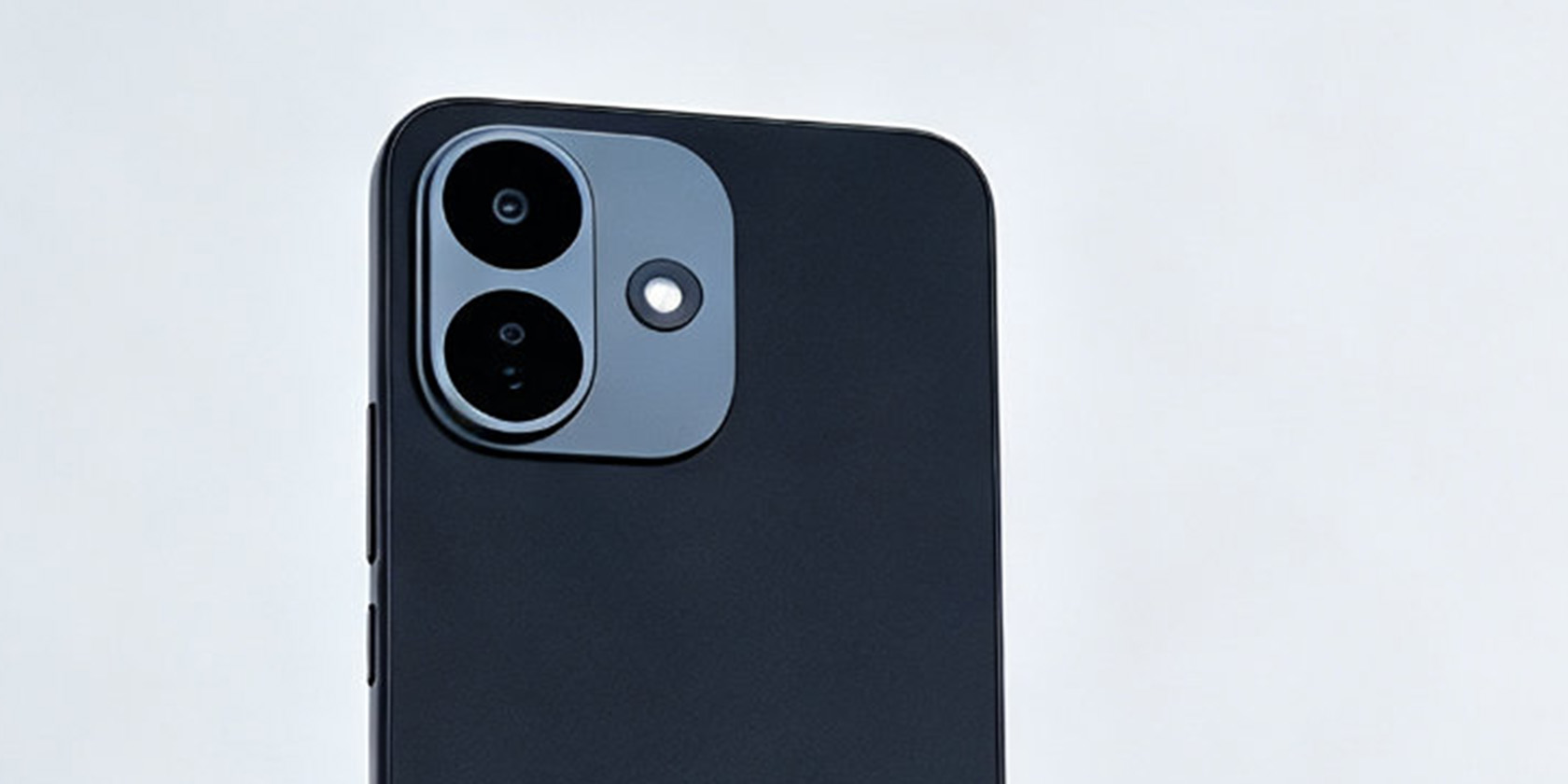
Technical Analysis
From a technical standpoint, sensor size directly impacts image quality, especially in low light. Larger sensors gather more light, delivering better dynamic range and less noise. The switch from 108MP to 50MP and smaller sensor size in some recent models arguably represents a step back in photo capabilities. Equally important, video recording shifted from stable 4K30 fps on almost all previous Pro models down to 1080p30fps on REDMI Note 11 Pro and 17 Pro, limiting video quality for power users.
This could indicate Xiaomi is reallocating resources or repositioning the REDMI Note series in favor of other sub-brands like POCO for aggressive camera innovation or prioritizing affordability in the REDMI Note line. Notice the REDMI Note 17 Pro’s specs closely resemble a more mid-tier offering rather than continuing the premium sensor trajectory set by earlier successors.
What This Means for Users and the Market
For REDMI Note enthusiasts, these fluctuations create uncertainty about the series’ future direction. Consumers expecting each generation to deliver better cameras consistently may feel Xiaomi is diluting the brand’s appeal. Especially as Xiaomi aggressively markets models like POCO X8 or the Xiaomi 12T Pro with more stable and flagship-tier imaging setups.
The REDMI Note line remains important for many markets worldwide, offering a balanced price-to-performance ratio. However, the series’ inconsistent camera evolution could encourage users to look elsewhere within Xiaomi’s portfolio or competitors’ offerings.
What readers are asking
- Why did Xiaomi reduce video recording quality on recent REDMI Note models?
Likely a cost-optimization measure and strategic repositioning to separate product lines and avoid internal competition. - Are the smaller sensor sizes in REDMI Note phones noticeable in daily photography?
Yes, smaller sensors generally capture less light, which affects image quality, especially in low light scenarios. - Does this trend apply globally or only specific markets?
The REDMI Note series remains a global staple, but Xiaomi’s product strategies may vary slightly in different regions. - Should users wait for Xiaomi HyperOS updates to improve camera performance?
Software optimizations help, but cannot fully compensate hardware limitations like sensor size and optical components.



Try Redmi note, you won’t regret. The camera 📸 at it’s best… 👌
I’m pretty sure Xiaomi will adjust the camera setup…once again for the Global variants of the Note 17 Series here I’d say 😂👀
Dropping video quality in one of your most sold series is rather insane! especially in this times where a low budget phone still boast of a 4k video resolution! my note 8 plays 4k video while my note 12 can’t. I saw no real benefit in the purchase and the madness continues. I hope they know what they are doing!
Indeed, Redmi phones have always been reliable, from the past until now. Whenever I want to change or upgrade my phone, I always buy Redmi again. I’m very comfortable using Redmi, no doubt about it, from the camera, chipset, etc. It’s simply the best 🔥