


Xiaomi has officially confirmed why the highly anticipated Xiaomi 17 Air never reached the market. During an ongoing livestream, Xiaomi Group Partner and President Lu Weibing revealed that the company cancelled the ultra-thin flagship project shortly before launch because battery life and performance compromises negatively affected the overall user experience.
According to Lu Weibing, Xiaomi had already completed planning, research, and early production preparation for the device. The project reportedly advanced very close to mass production before Xiaomi internally decided to terminate it.
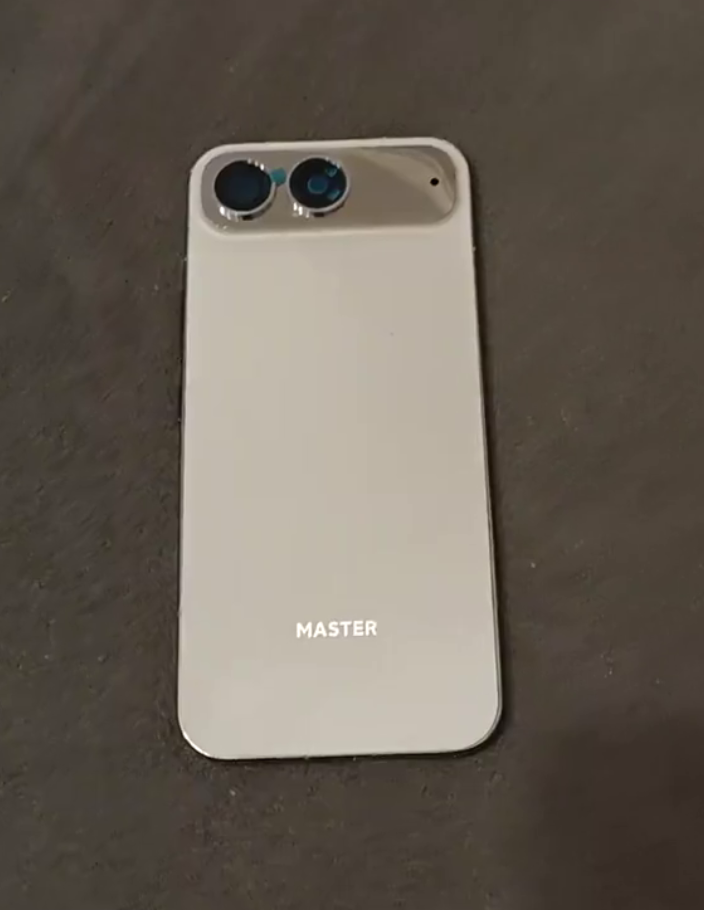
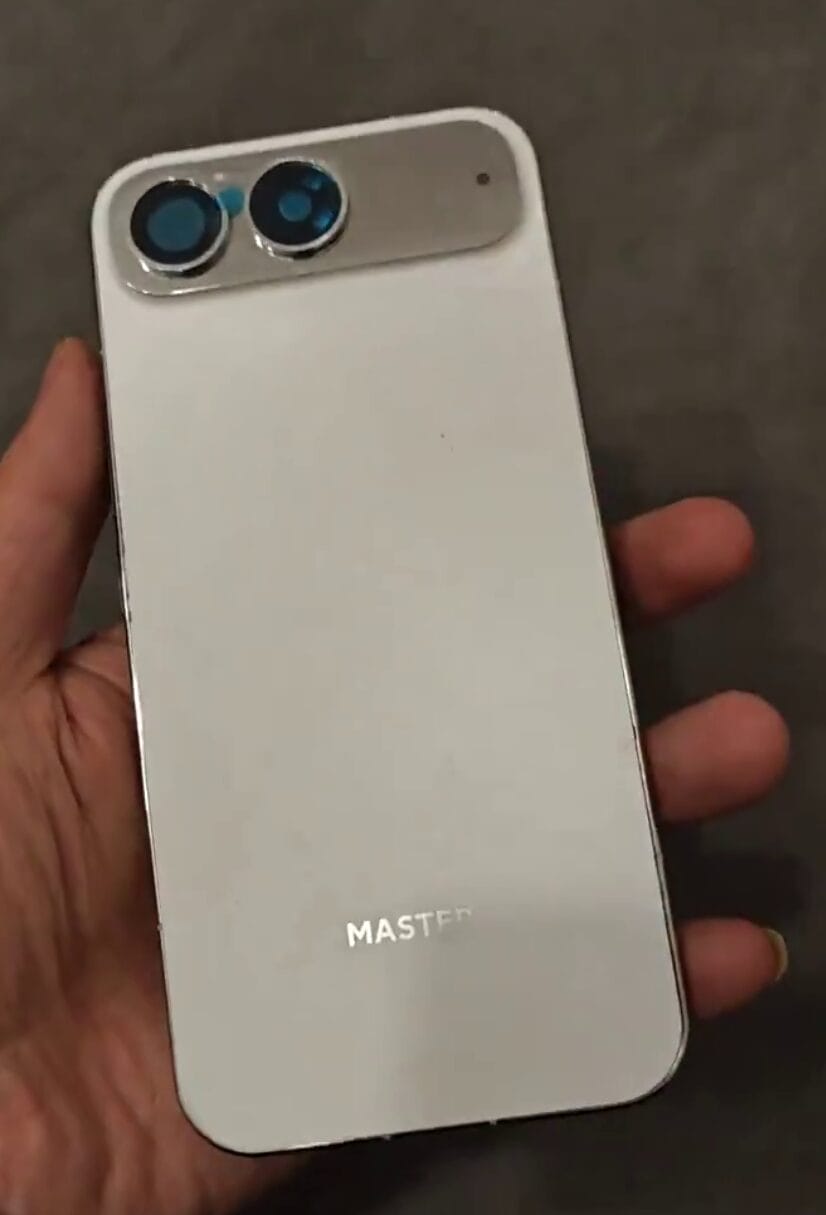
Xiaomi says the user experience was not good enough
Lu Weibing explained that Xiaomi engineers discovered major limitations caused by the device’s extremely thin body. The company found that reducing the thickness to such an aggressive level created serious compromises in battery endurance and sustained performance.
Instead of releasing a flagship phone with weaker real-world usability, Xiaomi decided to cancel the product entirely.
He stated that Xiaomi could not achieve the level of experience the team wanted for users, especially in terms of daily battery life and overall performance stability. Because of this, the company abandoned the project before it became a commercial mass-produced smartphone.
This is one of the rare occasions where Xiaomi has publicly discussed a cancelled flagship product in such detail.
The cancelled device was reportedly Xiaomi 17 Air
Although Xiaomi never officially announced the product name, internal leaks strongly suggest the cancelled device was the Xiaomi 17 Air.
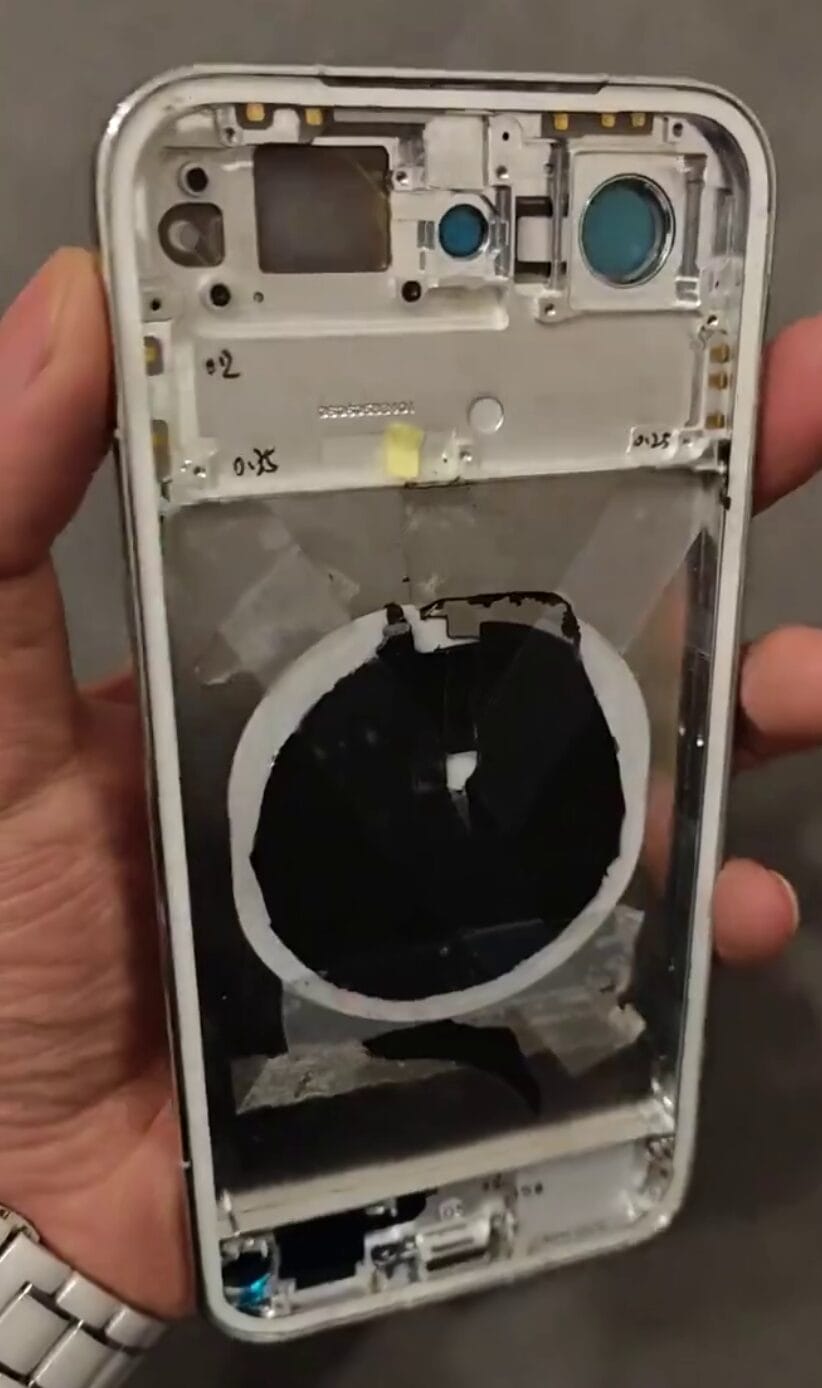
The unreleased smartphone reportedly carried the model number 26023PN08C and the codename “pecan.” Recently leaked prototype images showed a design very similar to Apple’s iPhone Air-style concept, featuring an ultra-thin chassis and a horizontal dual-camera layout.
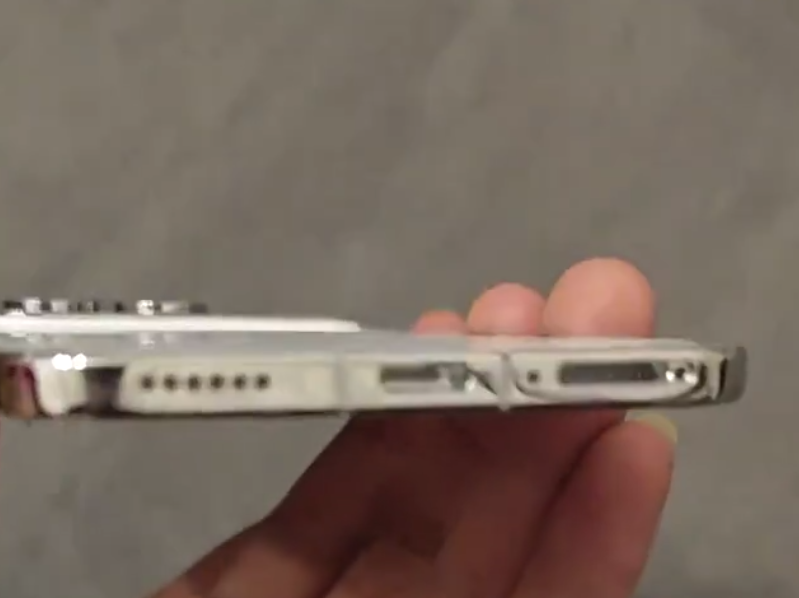
Interestingly, the leaked Xiaomi prototype still included a bottom speaker system, unlike Apple’s iPhone Air approach. This suggests Xiaomi attempted to preserve better multimedia capabilities despite the extremely compact internal structure.
Xiaomi shifted focus to Xiaomi 17 Max instead
During the livestream, Lu Weibing also explained why Xiaomi is launching a “Max” model instead of a traditional “Plus” device.
According to him, a “Plus” phone is usually just a larger-screen version of the standard model. However, Xiaomi 17 Max represents something much more advanced, combining upgrades in imaging, performance, and battery technology alongside a larger display.
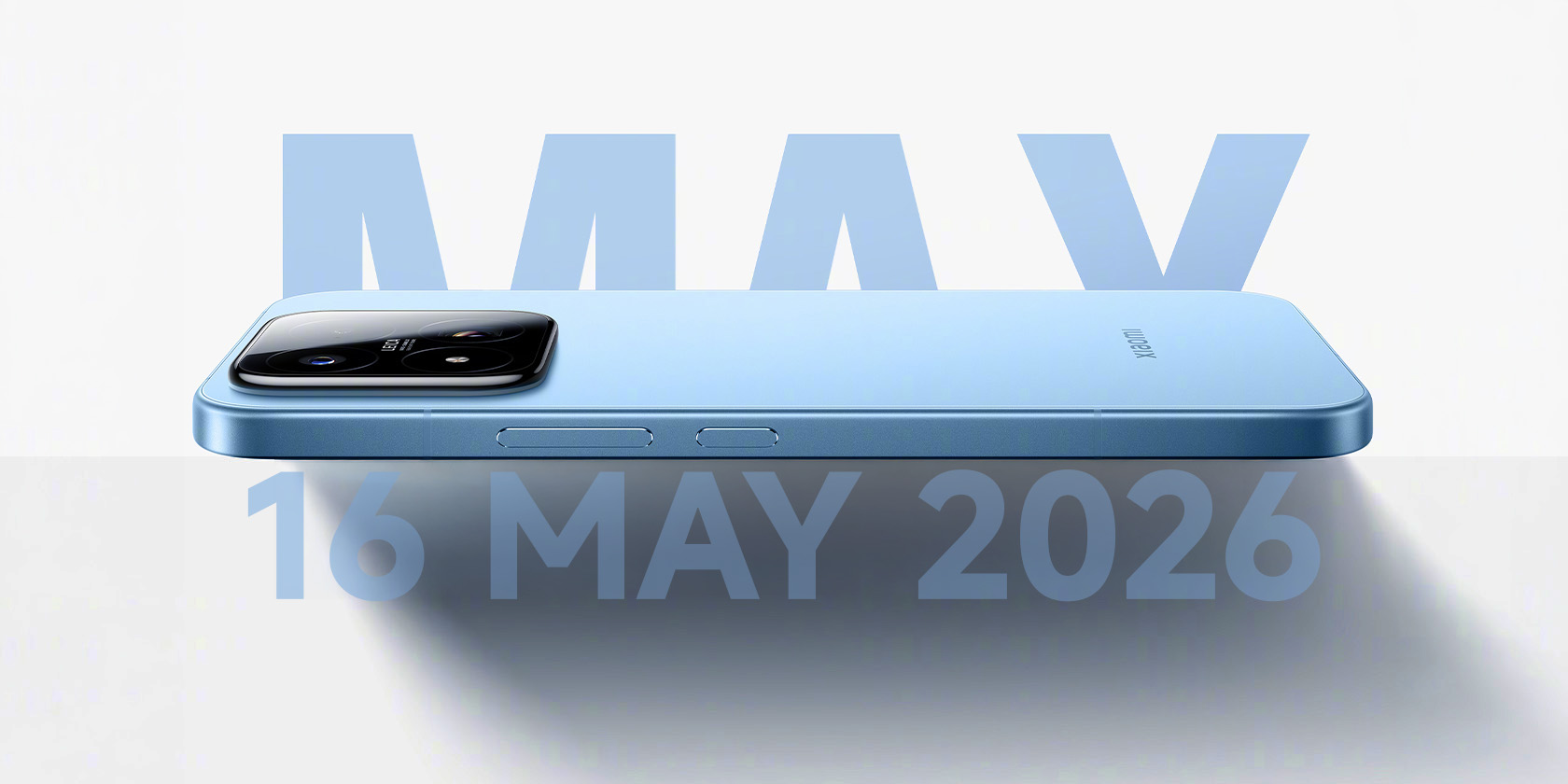
The Xiaomi 17 Max has already been officially teased for release later this month and it features:
- Leica-tuned 200MP main camera
- 3X periscope telephoto lens
- Massive 8000mAh Jinshajiang battery
- Focus on flagship battery life and photography
This strategy clearly reflects Xiaomi’s decision to prioritize long battery life and flagship-level performance over extremely thin industrial designs.
Xiaomi chooses practicality over ultra-thin trends
The cancellation of Xiaomi 17 Air shows Xiaomi’s current flagship philosophy very clearly. While ultra-thin smartphones continue becoming a trend across the industry, Xiaomi believes excessive thinness can still create compromises that negatively affect real-world usage.
Instead of launching a device with weaker endurance and thermal limitations, Xiaomi decided to focus on products like Xiaomi 17 Max that deliver stronger overall hardware capabilities.
For Xiaomi fans, Xiaomi 17 Air remains one of the company’s most interesting cancelled smartphones — especially because it reportedly came very close to launch before Xiaomi ultimately stopped the project.

Xiaomi 11 pro