


China’s National Development and Reform Commission has visited Xiaomi Group to study pricing trends in new energy vehicles and smartphones. The investigation was led by Liu Gang, deputy director of the Price Monitoring Center, and focused on industry cost pressure, market competition, and suggestions for maintaining orderly pricing behavior.
Smartphone Costs Are Rising Fast
The visit comes as the smartphone industry faces one of its toughest cost cycles in years. Xiaomi president Lu Weibing said today that the mobile phone market is experiencing its most difficult moment in nearly a decade, with uncontrolled component costs spreading across the entire industry.
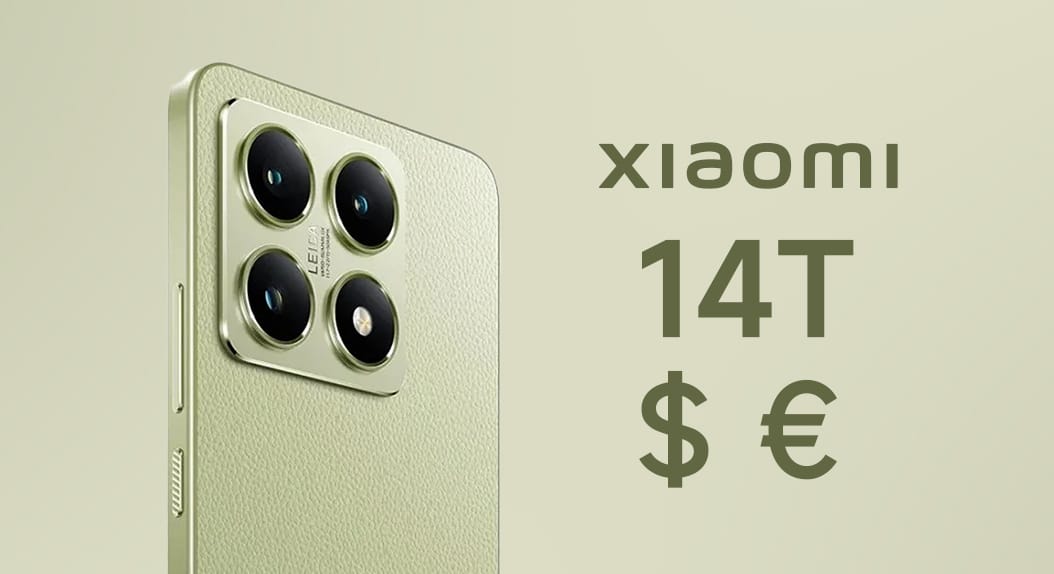
Storage price increases are becoming a major pressure point for manufacturers. Higher memory and storage costs could directly affect future smartphone pricing, especially for flagship devices with large RAM and storage configurations.
EV Competition Also Under Review
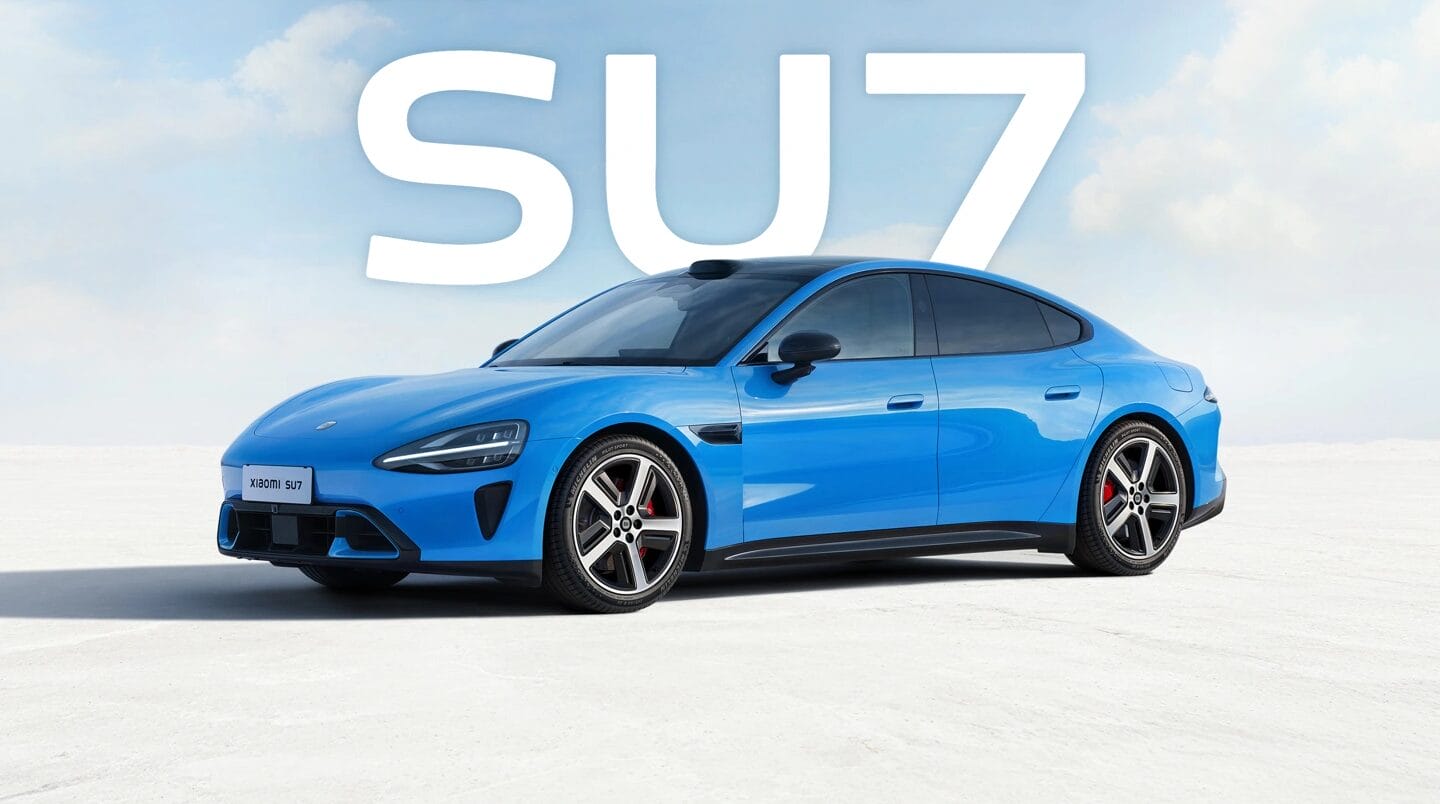
The investigation also covered Xiaomi’s new energy vehicle business. Chinese regulators are currently paying close attention to the auto industry, where aggressive price competition has become a major concern.
Lei Jun previously stated that Xiaomi Auto firmly opposes price wars and supports a more orderly market environment. Xiaomi also responded to the supplier payment policy by supporting a 60-day payment cycle, a move that received positive industry feedback.
Policy Support for Consumer Trade-In Programs
The report also mentions that China has allocated the third batch of 62.5 billion yuan, approximately $8.6 billion, in ultra-long-term special treasury bonds this year to support consumer goods trade-in programs.
These funds are intended to stabilize consumer demand, promote orderly replacement purchases, and support industries such as smartphones, home appliances, and vehicles.
This regulatory visit shows that Xiaomi has become an important reference company in both smartphones and electric vehicles. Rising smartphone component costs, EV price competition, and government-backed trade-in programs are now closely connected to Xiaomi’s business strategy.
For consumers, this could mean fewer extreme price cuts in the EV market and possible price increases for future flagship smartphones if component costs continue rising.


Please give me the real phone.