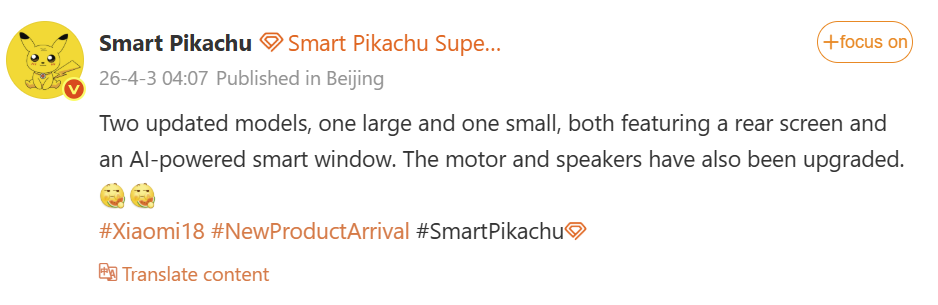
While previous rumors are now firmly in the past, a brand new and highly significant development has just surfaced regarding the next generation of Xiaomi flagships. According to fresh intelligence from reliable Weibo tipster Smart Pikachu, Xiaomi has entered a new comprehensive testing phase for the upcoming Xiaomi 18 series. The latest leak reveals that the company is experimenting with dual form factors, both featuring an ambitious secondary display setup and major internal hardware enhancements.
AI Smart Windows and Hardware Upgrades
Based on the translated source, the current engineering focus is strictly on two main iterations: a “small” standard model and a “big” premium model. Both prototypes are currently equipped with dedicated back screens.
-
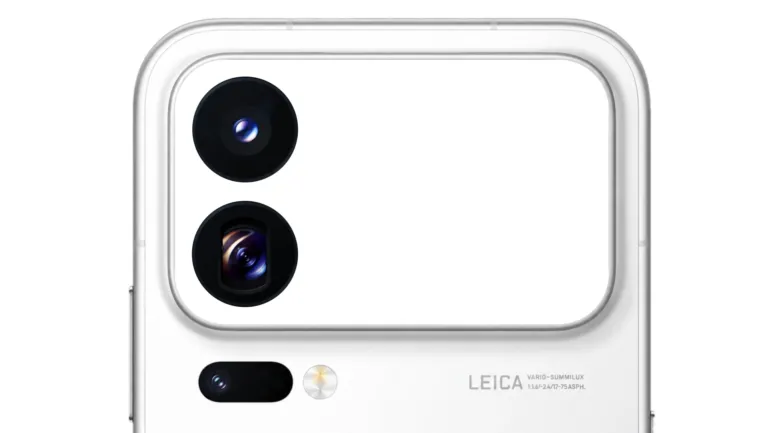
AI Smart Windows: These secondary rear displays are not merely basic notification tickers. Described as “AI smart windows,” they are expected to be deeply integrated with Xiaomi HyperOS. By leveraging on-device AI, these windows will likely handle contextual tasks, smart widgets, and high-fidelity camera viewfinder mirroring without needing to wake the primary display.
-
Acoustic and Haptic Enhancements: The leak explicitly confirms that both the vibration motors and the speaker arrays have been significantly upgraded. This means even the compact Xiaomi 18 model will benefit from flagship-tier tactile feedback and immersive stereo audio, matching the premium feel of the larger Pro variant.
Market Impact
The integration of an AI smart window into the back panel will introduce a new layer of interaction within Xiaomi HyperOS. Users will be able to execute quick actions and monitor AI-driven notifications seamlessly, potentially saving battery life by reducing the screen-on time of the main display. The upgraded motors will provide a much tighter and more precise haptic response across the system UI.
As is standard for Xiaomi’s flagship releases, these devices will launch exclusively in China first. Pro model may remain China only. If these dual-screen iterations make it to the final mass-production stage, the added hardware complexity will likely result in a higher premium when converted to USD ($) for any eventual global releases.