


The XRING O1 and Transparent Aesthetics
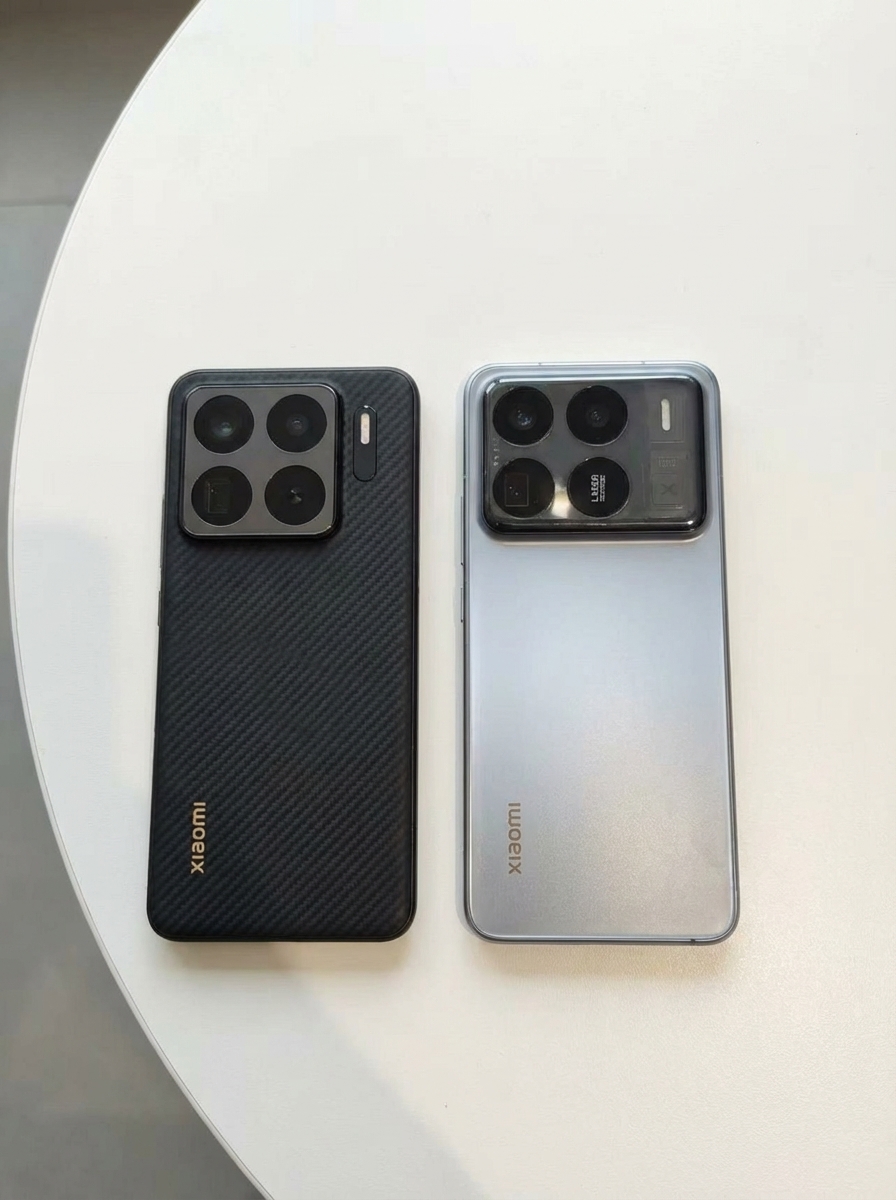
The leaked images expose a completely altered rear camera module and back panel design, built to flaunt the device’s proprietary silicon. Here is the technical breakdown of what this prototype offered compared to the retail version:
-
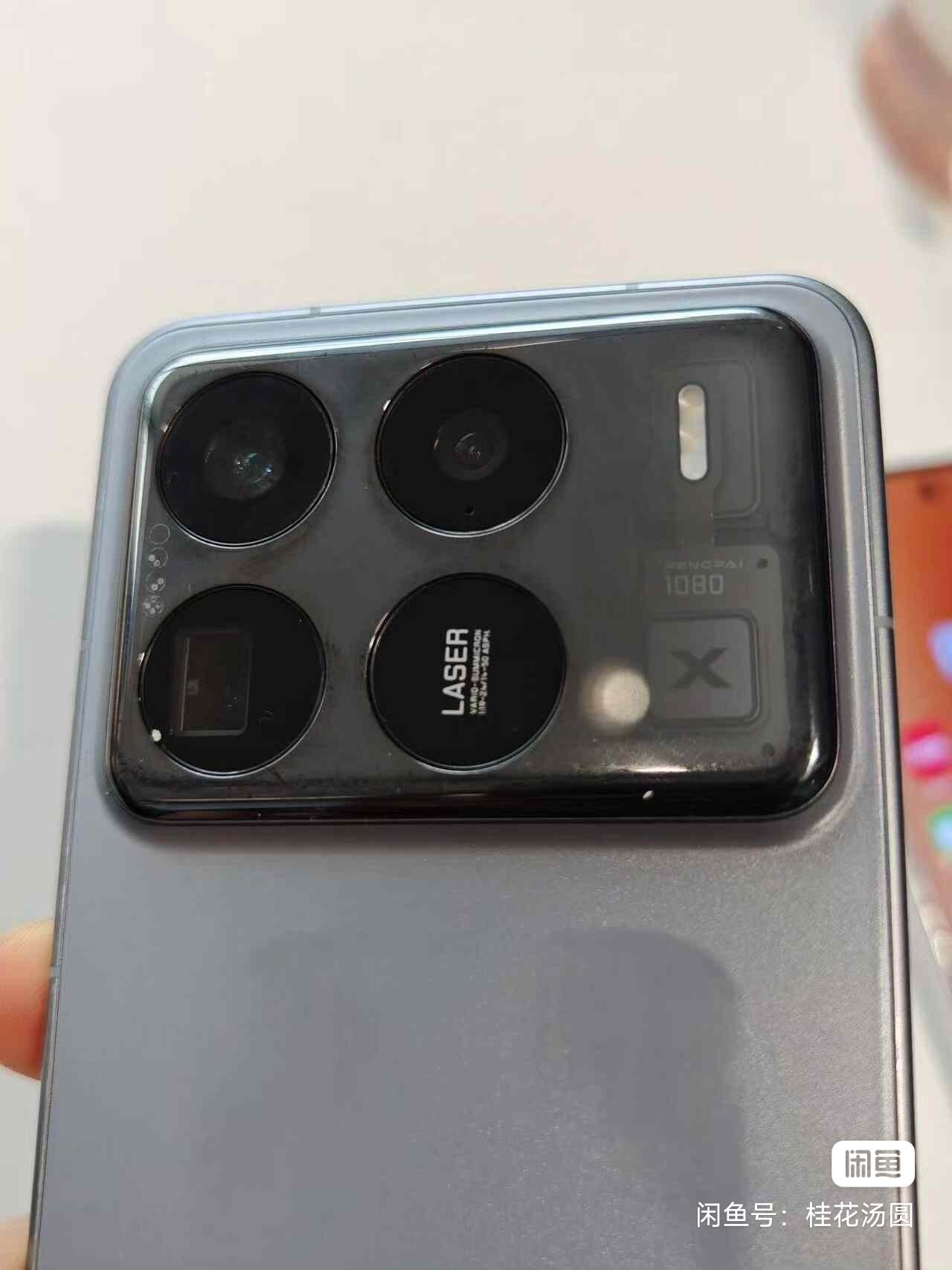
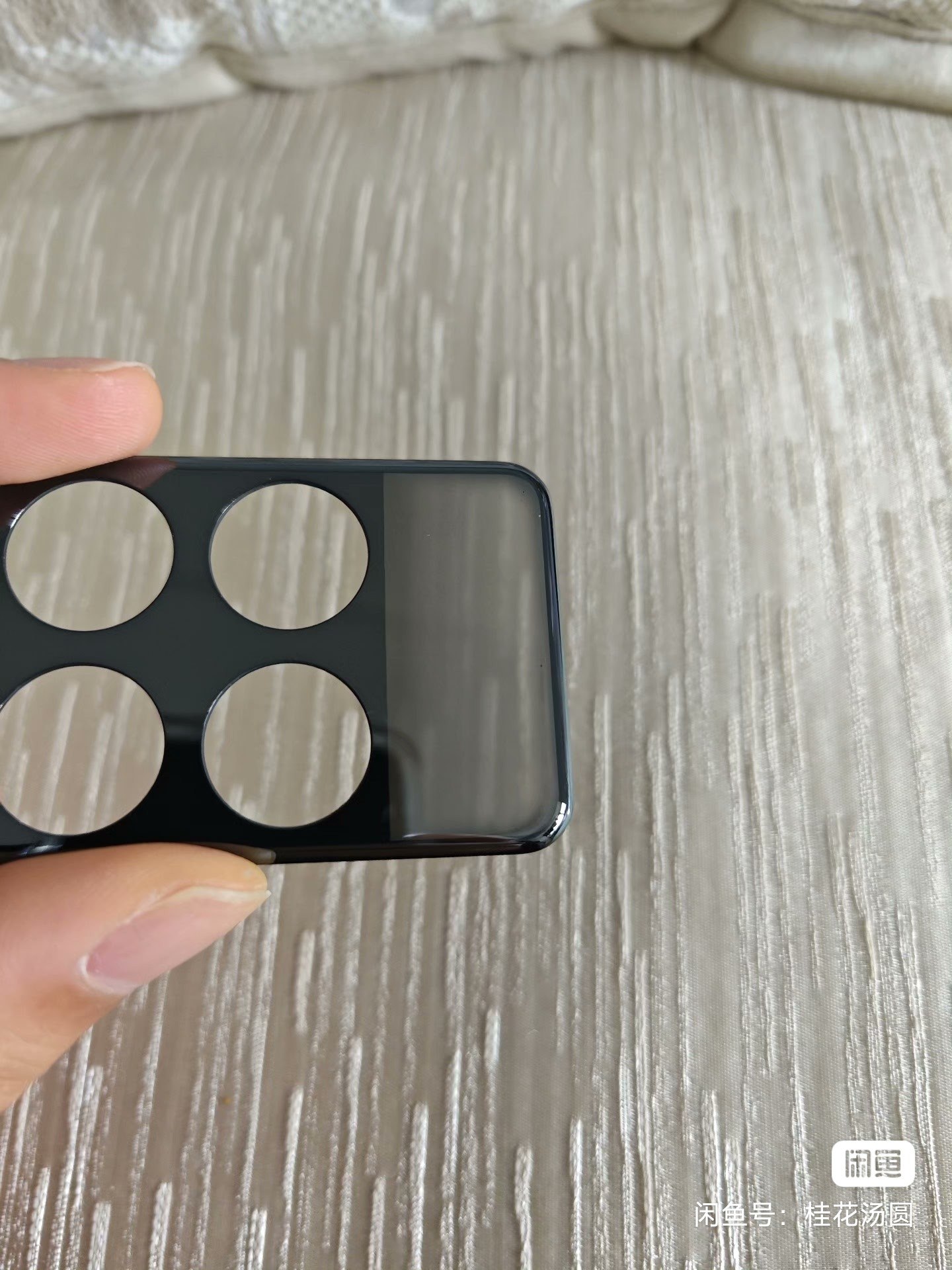
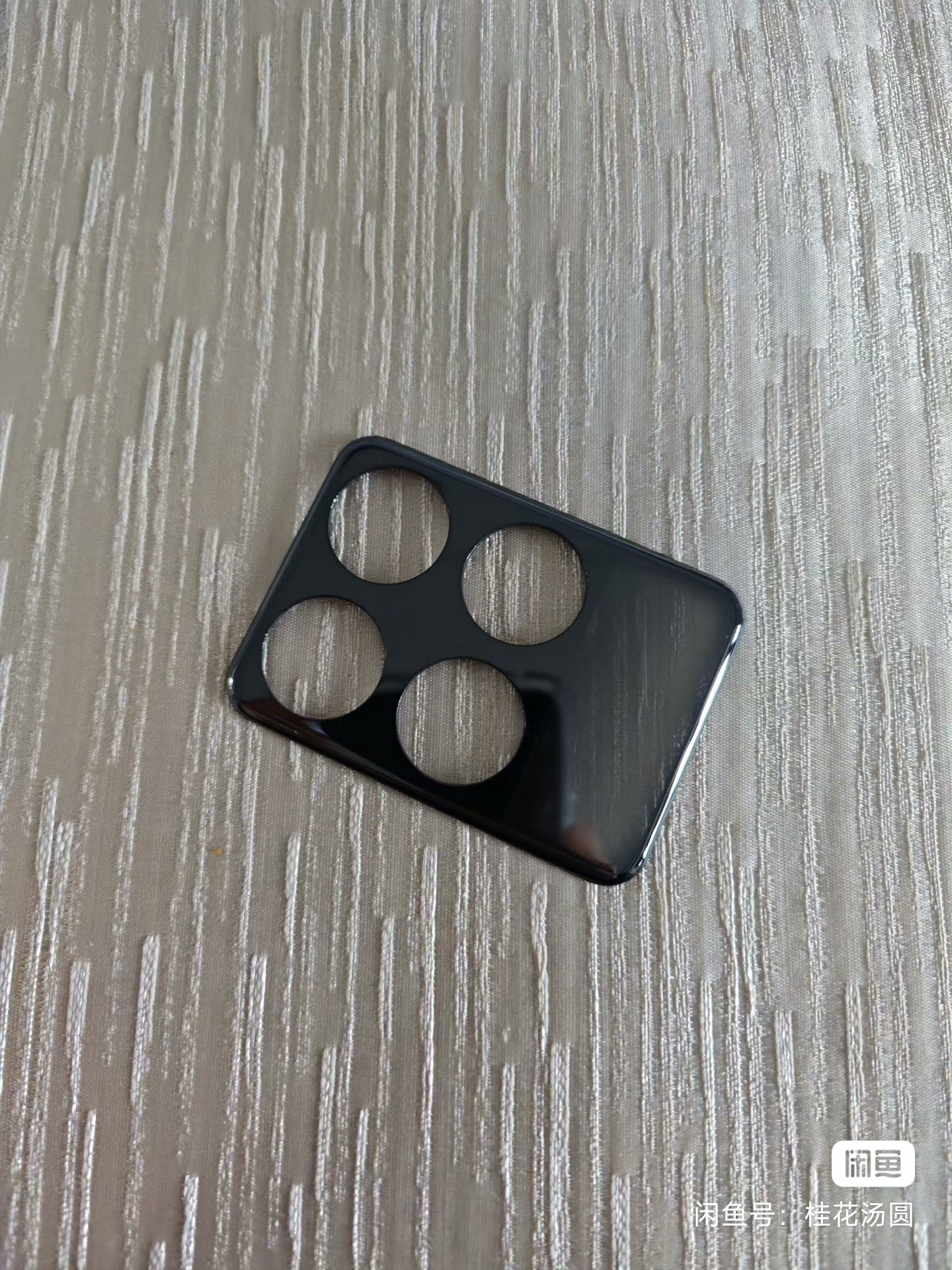
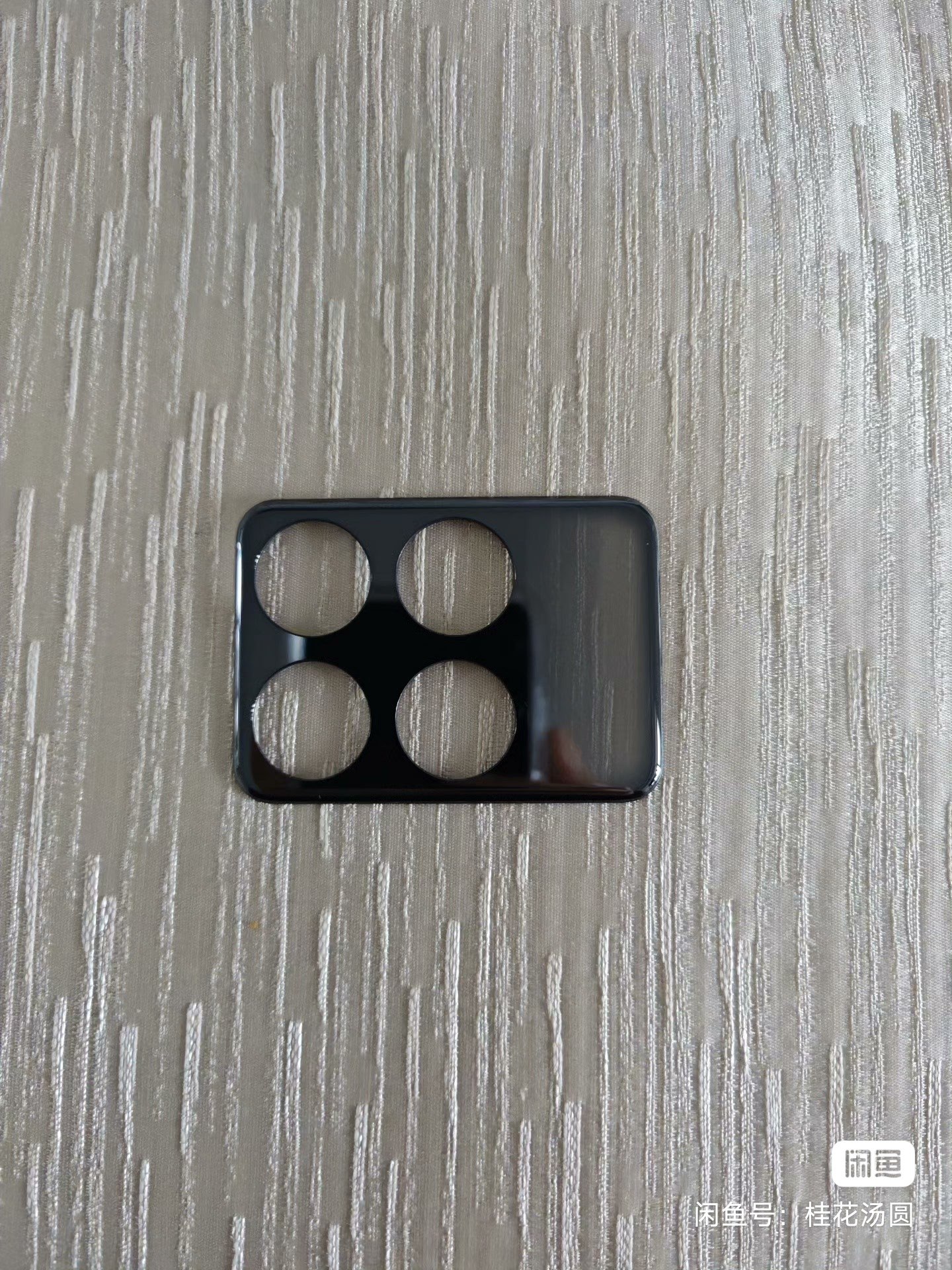
Extended Transparent Island: Unlike the standard retail model’s traditional square camera housing, this prototype features an elongated, horizontal transparent glass module. This unified piece seamlessly houses the lenses and internal hardware, creating a striking “see-through” window into the mainboard.
-
Leica Optical Precision & PENGPAI: The module prominently displays the “LASER VARIO-SUMMICRON 1:1.8-2.6/14-50 ASPH.” engraving, integrating the Leica hardware specs directly into the visual identity. Positioned next to a pill-shaped internal flash lies the “PENGPAI” branding alongside the number “1080”, representing Xiaomi’s dedicated auxiliary management chips.
-
The XRING O1 Showcase: The most notable design element is the massive “X” logo situated in the lower right section of the transparent window. This serves as a direct visual tribute to the XRING O1, Xiaomi’s self-developed processor, underlining the brand’s leap toward independent hardware architecture.
Design Contrast & Market Impact
Comparing this shelved prototype to the final retail unit reveals a significant shift in Xiaomi’s design philosophy before launch. The final production unit of the 15S Pro opted for a highly textured, carbon fiber or Kevlar-like polymer back cover, with the flash placed independently outside the main square camera island.
The canceled prototype, conversely, utilized a flatter, matte metallic gray chassis designed specifically to draw all attention to the internal components. While the 15S Pro remained a China-exclusive launch, seeing this aggressive, hardware-forward design highlights the engineering groundwork Xiaomi was laying for future generations.


can we buy this product for other models of Xiaomi