


Xiaomi has officially introduced the REDMI 17C in China, bringing a large 6.88-inch 120Hz display, a 5160mAh battery, and Xiaomi HyperOS 3 to the entry-level smartphone market. The device is now listed on Chinese e-commerce platforms in two memory versions, starting at 799 yuan, or around $118, making it one of Xiaomi’s most affordable new HyperOS 3 phones for 2026.
New features and hardware details
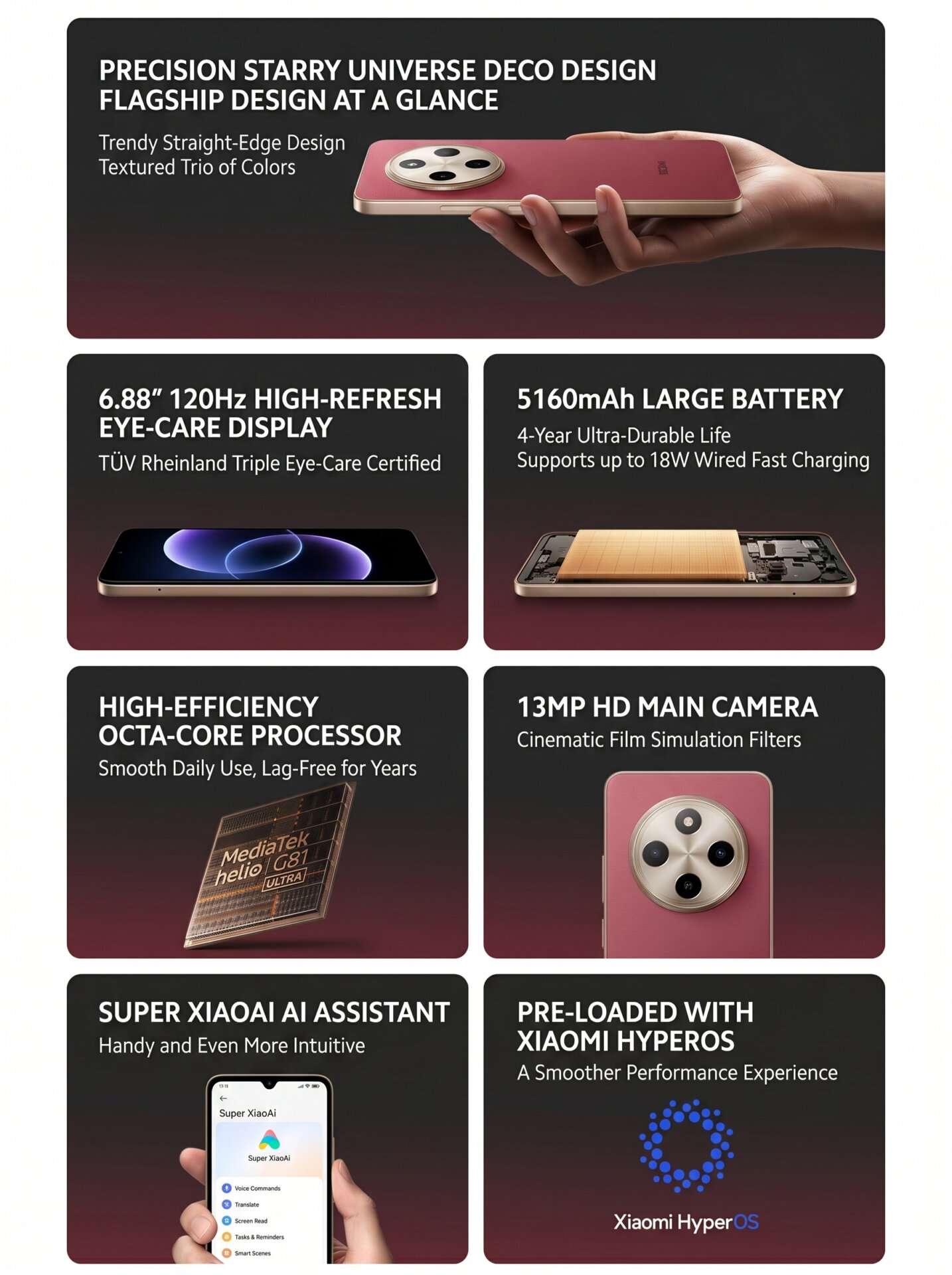
The REDMI 17C focuses on the essentials: a large display, long battery life, and smooth everyday performance. The phone features a 6.88-inch eye-protection display with a 120Hz refresh rate and 240Hz touch sampling rate, which should make scrolling, animations, and basic gaming feel smoother than typical budget phones.
Xiaomi also includes a full-process DC dimming solution, designed to reduce screen flicker at different brightness levels. The device has received TÜV Rheinland triple eye-protection certification, giving it a stronger comfort-focused selling point for users who spend long hours watching videos, reading, or browsing social media.
Under the hood, the phone is powered by the MediaTek Helio G81-Ultra, with a maximum clock speed of 2.0GHz. This is not a performance-focused chipset, but it is suitable for daily tasks such as messaging, web browsing, short-form video apps, and light gaming. Past version uses G81.
Pricing and versions
The REDMI 17C is available in China in the following configurations:
- 4GB RAM + 64GB storage — 799 yuan, around $118
- 4GB RAM + 128GB storage — 899 yuan, around $133
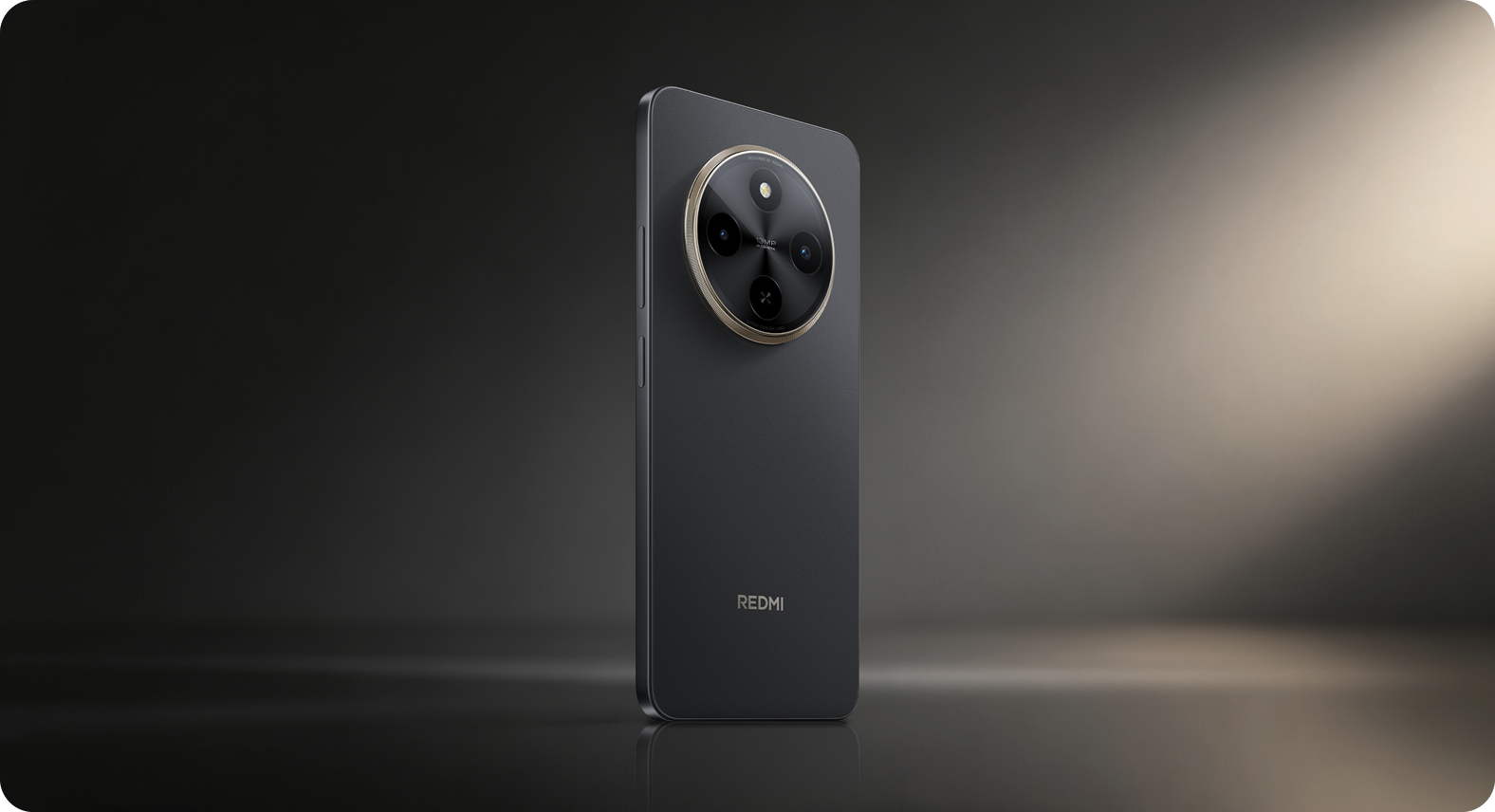
Available color options include:
- Black
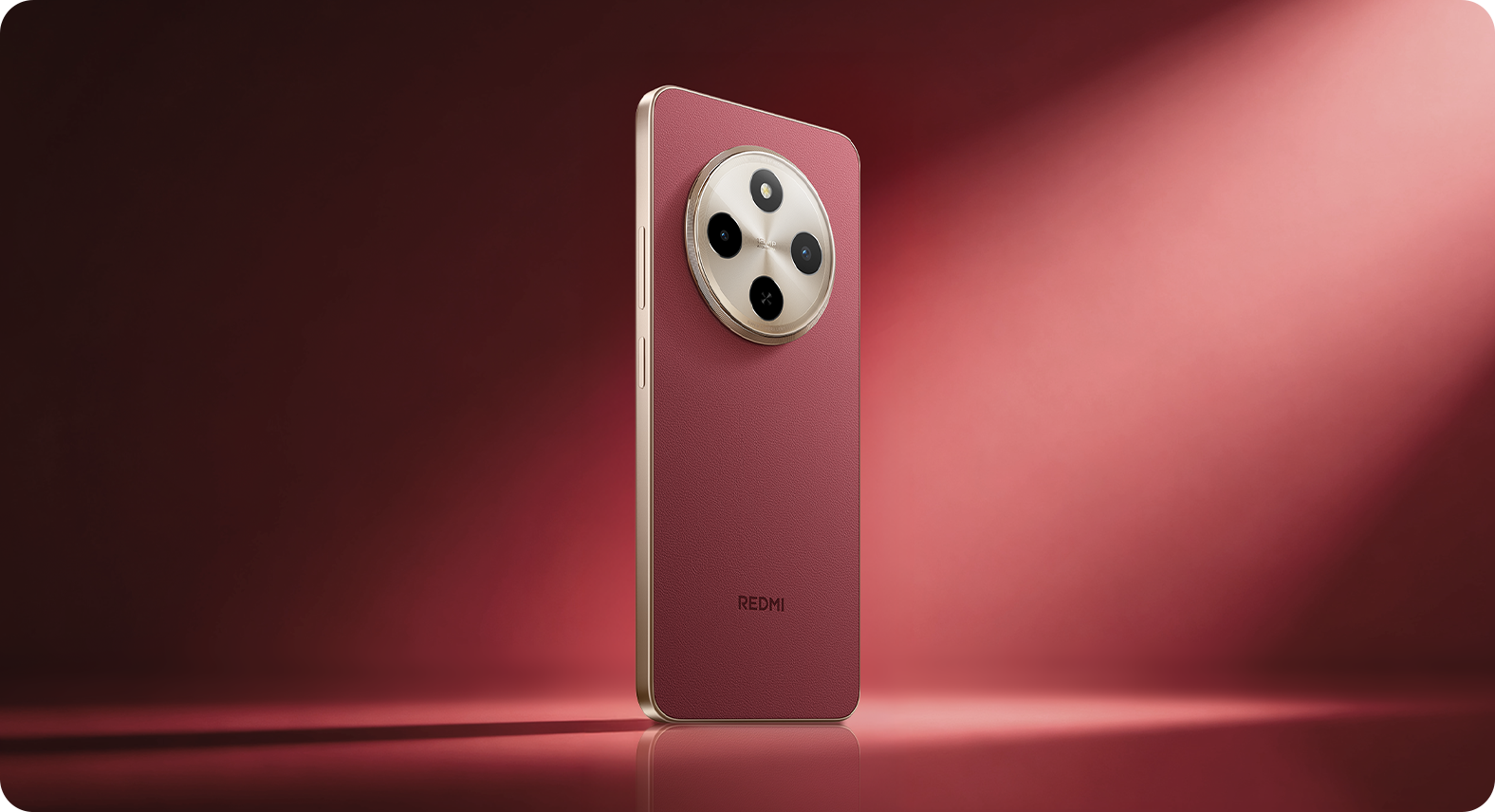
- Sunset Red
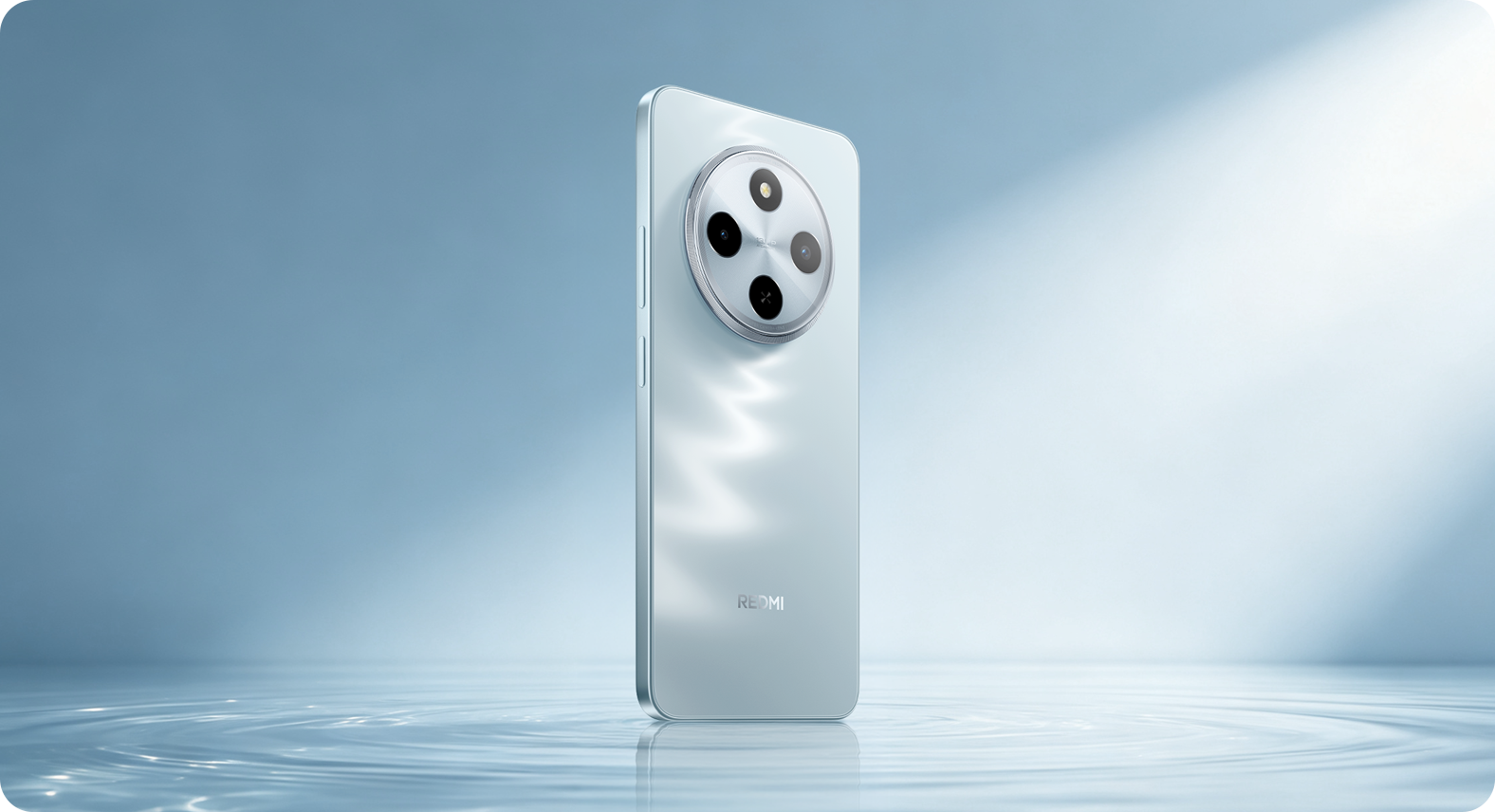
- Sea Breeze Blue
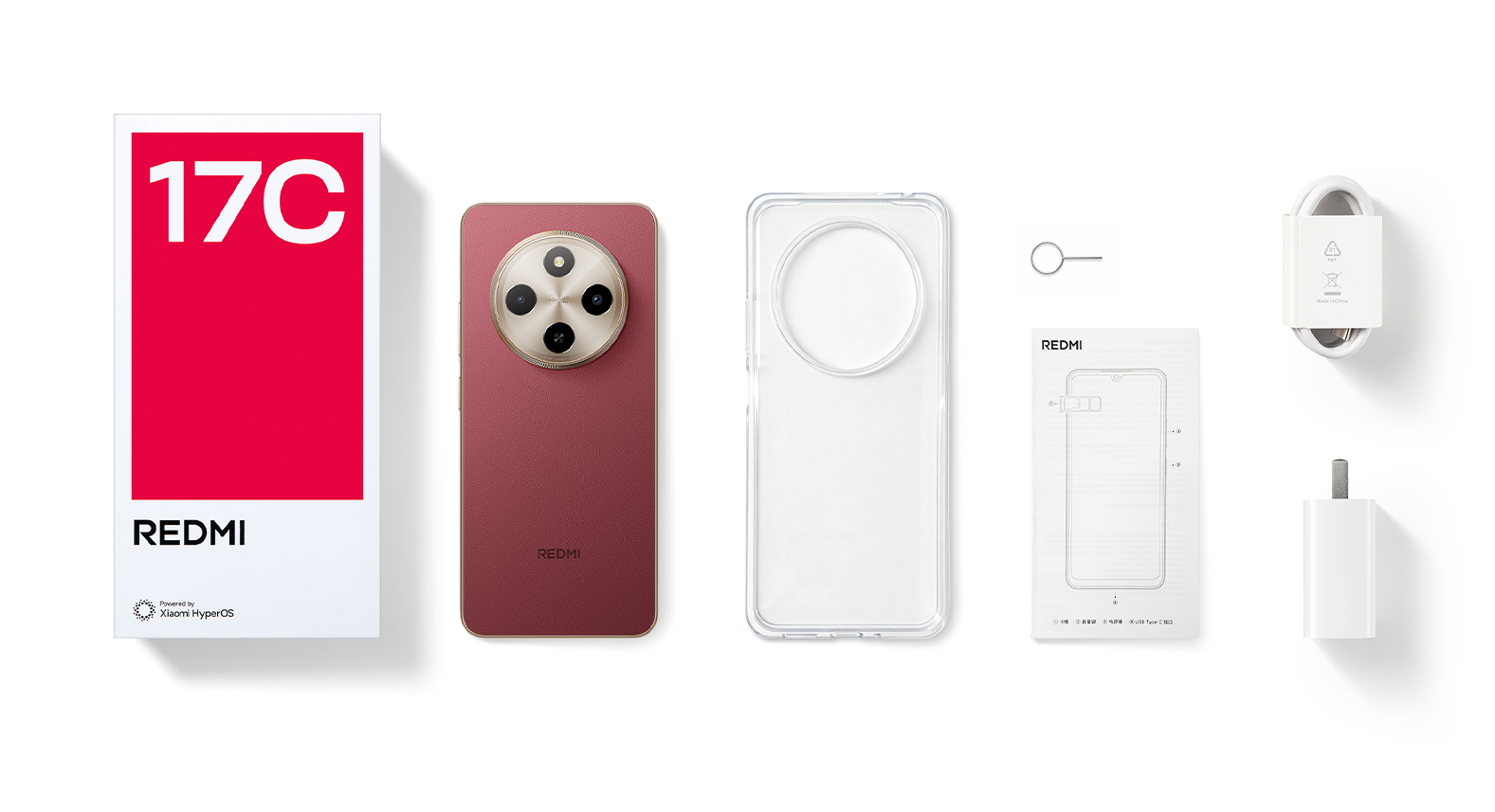
The device ships with:
- Xiaomi HyperOS 3
- 5160mAh battery
- MediaTek Helio G81-Ultra
- 13MP main camera
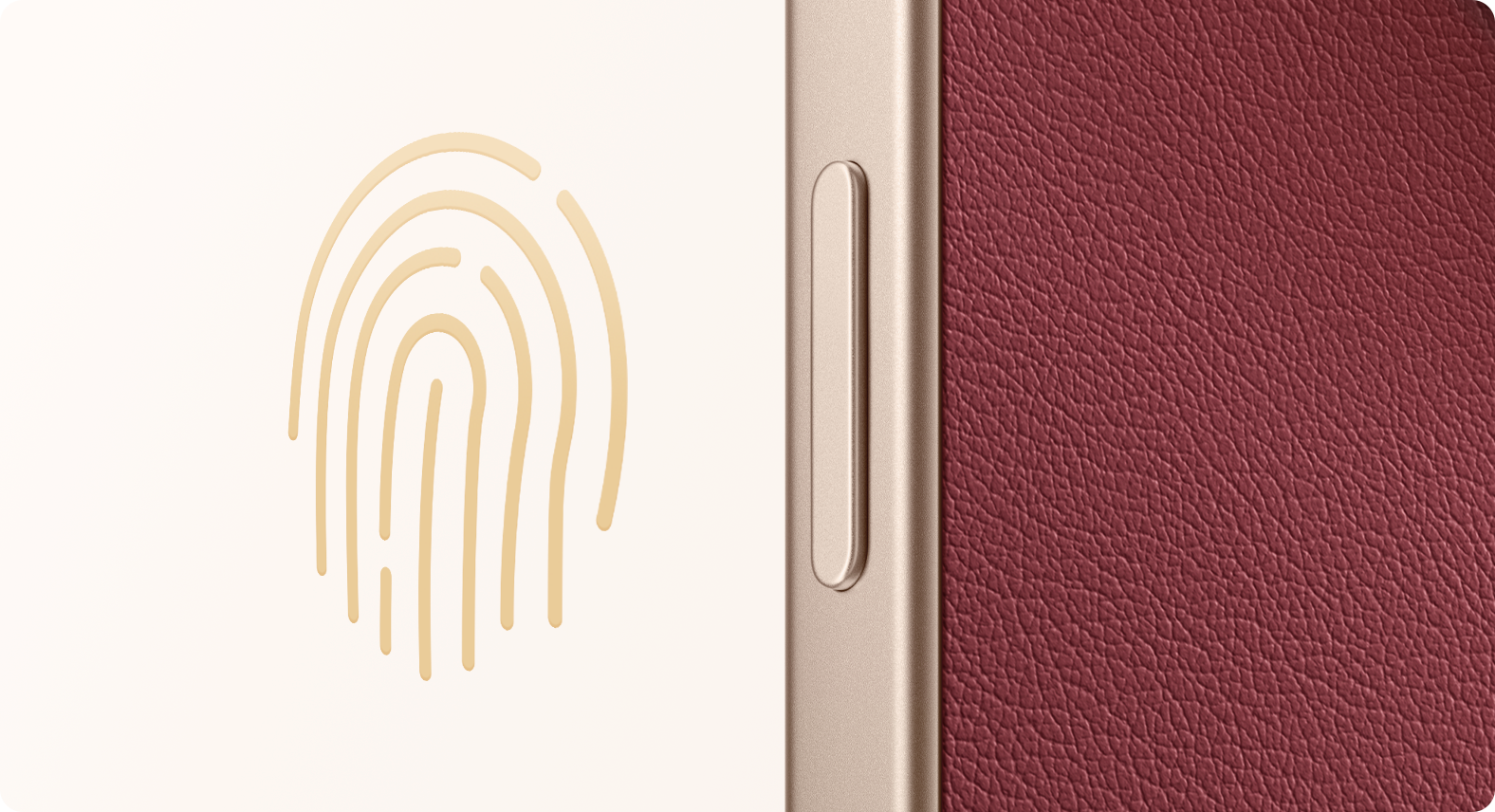
- Side-mounted fingerprint sensor
- 3.5mm headphone jack
- Xiaomi AI voice assistant
- Xiaomi Super Island
How REDMI 17C improves the budget experience
The biggest advantage of the REDMI 17C is not raw performance, but value. Xiaomi is bringing several user-facing features usually seen as upgrades in the budget segment, including a high-refresh-rate display, large battery capacity, DC dimming, and HyperOS 3.
However, the phone is also clearly familiar. Based on the listed specifications, the REDMI 17C appears to be very similar to the REDMI 14C and almost identical to the REDMI 15C in several key areas. This suggests Xiaomi may be using a refined hardware platform while updating the software, branding, and market positioning for 2026.
For users, this means the REDMI 17C is unlikely to be a major generational leap. Instead, it is a low-cost refresh aimed at buyers who want a large screen, reliable battery life, and the latest Xiaomi software experience without paying mid-range prices.
Market impact
At around $118, the REDMI 17C strengthens Xiaomi’s position in the entry-level smartphone market. The phone is currently introduced for the Chinese market, and there is no confirmed global launch information yet.
The device could still matter globally if Xiaomi later brings similar hardware to international markets under a related REDMI model. Budget phones with large 120Hz displays remain popular in regions where battery life, screen size, and price are more important than flagship-level performance.


14 15C are phones that don’t work. You can’t even run TikTok. I had them and gave them away. Now they released the 17 C. I really don’t know why they make them if they can’t be used. They freeze with the operating system itself.