Xiaomi Group Partner and President Lu Weibing announced that the company will soon release the next-generation XRING chip following the success of its first SoC, the XRING O1. The initial chip has surpassed one million units shipped across three devices, marking a significant milestone in Xiaomi’s move into in-house chipset design.
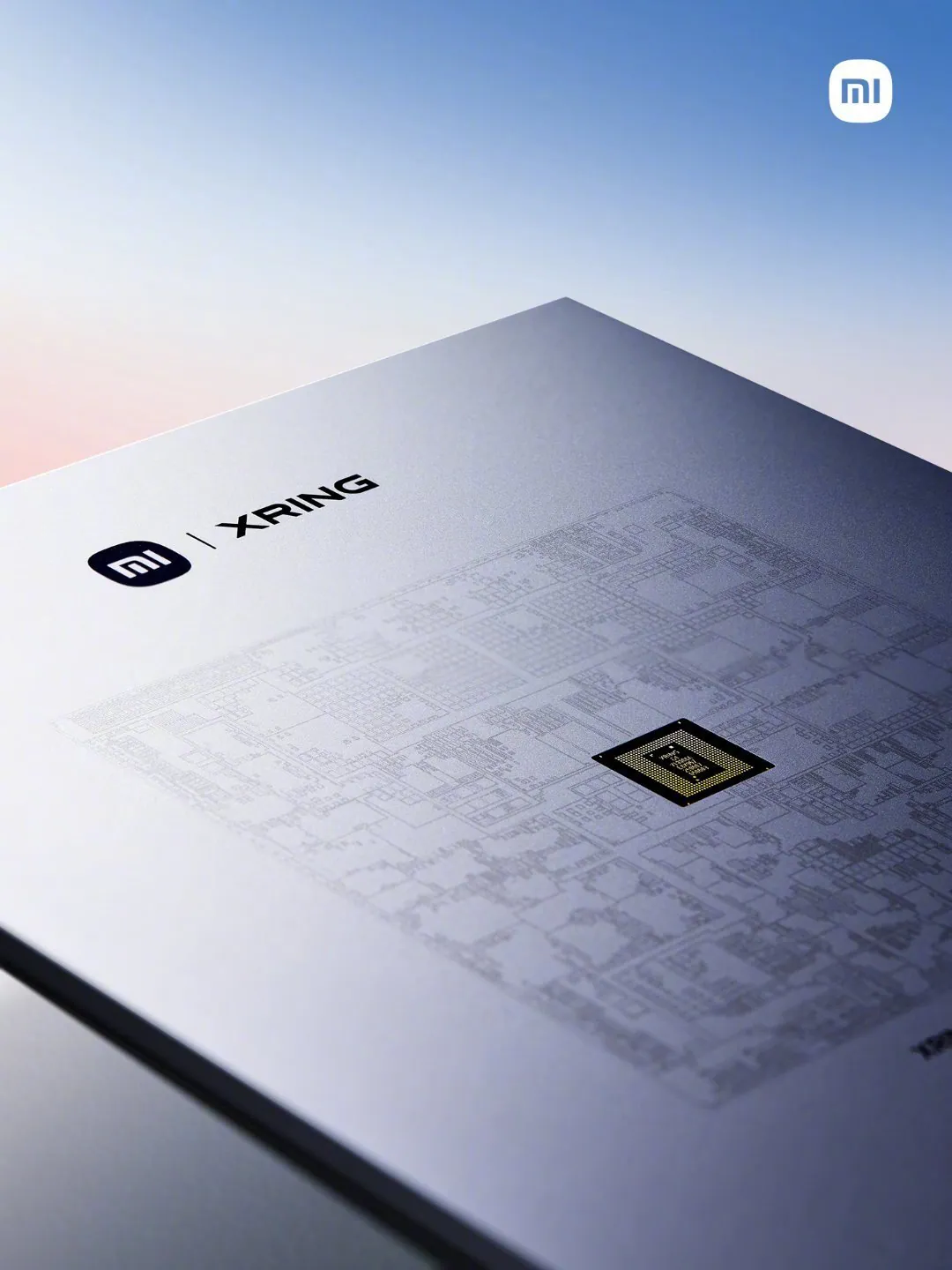
Background on Xiaomi’s XRING O1 Chip
Launched last year, the XRING O1 chip is built on a 3nm process, showcasing Xiaomi’s ability to independently design advanced system-on-chips. This places Xiaomi among a select group of smartphone makers capable of developing proprietary chips, alongside Apple with its A series and Samsung’s Exynos. The XRING O1 has been validated at a flagship scale through its deployment on multiple devices and achieving over one million units shipped, as confirmed by CEO Lei Jun earlier this year.
Next-Generation Chip and Upcoming Flagship Models
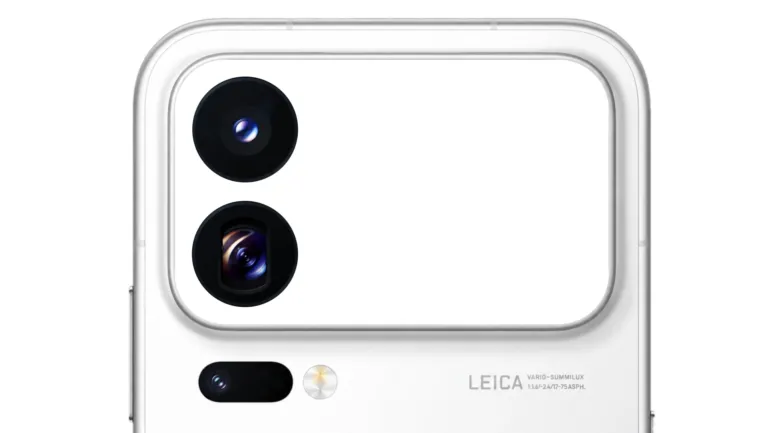
Lu Weibing hinted at a rapid rollout of flagship products utilizing the new XRING chip. Although details remain scarce, the next-generation SoC will continue Xiaomi’s chip development trajectory. This follows the April leak of the XRING O3 chip with“Lhasa” Xiaomi Fold 5 device, featuring a three-cluster CPU architecture with Prime, Titanium, and Little cores. The O3 reportedly boosts the prime core frequency beyond 4GHz, improves energy efficiency by 68%, and enhances GPU frequency by roughly 25%. The XRING O3 is rumored to debut in the Xiaomi MIX Fold 5 foldable phone.

Ongoing Commitment to Chip Development
Since restarting in-house chip development in 2021, Xiaomi has committed at least 10 years and a 50 billion yuan (about $7 billion) investment to this effort. By April 2025, Xiaomi had already invested over 13.5 billion yuan (~$1.9 billion) into XRING R&D. The chips are planned not only for smartphones but also for future Xiaomi electric vehicles, pointing to a wider ecosystem integration.
The XRING chip line is central to Xiaomi’s long-term strategy to reduce reliance on external suppliers and bring more hardware innovation in-house. Users can anticipate a growing number of Xiaomi flagship devices with proprietary silicon over the coming years.
Users interested in tracking upcoming Xiaomi software and firmware updates can check available builds through the MemeOS Enhancer app. Firmware packages for Xiaomi devices are also listed at MemeOSUpdates.com.
Source: ithome.com