Xiaomi’s next major operating system will officially be called HyperOS 4, according to newly discovered references inside Mi Code. For months, some users speculated that Xiaomi could follow Apple’s yearly naming strategy and switch to titles like “HyperOS 26” or “HyperOS 27.” However, the latest internal strings discovered in Xiaomi’s framework clearly point toward the traditional numbering system continuing with HyperOS 4 instead. The leak also reveals deeper technical changes, including a major transition toward Rust-based system applications and the arrival of the new Liquid Glass interface design.
The newest Mi Code findings also align with the recently leaked HyperOS 4 Launcher build, which already introduced early traces of Xiaomi’s upcoming Liquid Glass visual style. Users can currently test some of these unfinished elements through the leaked launcher package available via MemeOS Enhancer.
Mi Code leak directly references HyperOS 4
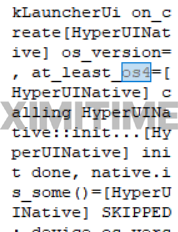
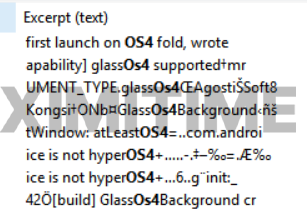
The newly discovered framework strings strongly suggest Xiaomi has finalized the HyperOS 4 naming internally. One of the leaked logs specifically references “GlassOS4Background,” while other code fragments mention compatibility checks tied to “OS4.”
This is important because many industry observers expected Xiaomi to potentially adopt Apple-style year-based naming. Apple recently shifted toward annual branding concepts, which fueled speculation that Xiaomi could launch “HyperOS 26” next year instead of HyperOS 4. The new Mi Code evidence now appears to completely shut down those rumors.
Some leaked internal strings include references such as:
- “glassOs4”
- “GlassOS4Background”
- “atLeastOS4”
- “first launch on OS4”
These references were found directly inside Xiaomi’s internal software components, making the leak significantly more credible than ordinary rumors or concept discussions.
HyperOS 4 focuses heavily on Rust and system optimization
One of the biggest architectural changes coming with HyperOS 4 is Xiaomi’s gradual migration toward Rust-based system applications. Xiaomi already introduced early Rust support inside Xiaomi HyperOS 3.1, but HyperOS 4 appears to expand this strategy much further.
According to the latest leaks, Xiaomi is actively rebuilding several core applications with Rust to eliminate legacy code and improve long-term maintainability. This transition is expected to bring multiple advantages:
- Faster app launch speeds
- Improved memory efficiency
- Better system stability
- Lower battery consumption
- Reduced crash rates
- Stronger security protections
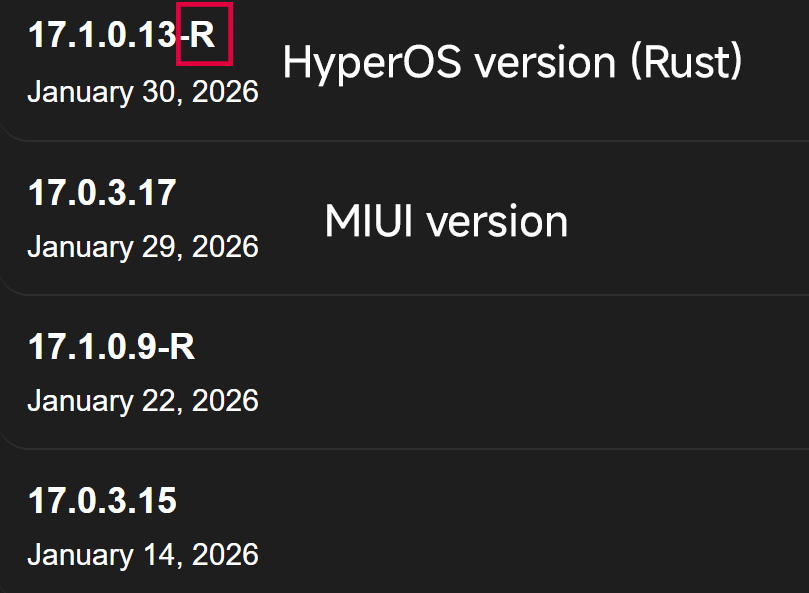
The leaked HyperOS 4 Launcher build also supports this theory. Its internal version naming ends with “-R,” which strongly suggests a Rust-based architecture.
Xiaomi seems to be targeting a cleaner and more lightweight operating system overall. Many old framework components inside previous MIUI generations reportedly contained years of legacy code layers, and HyperOS 4 may finally become Xiaomi’s largest cleanup operation since the original transition from MIUI to Xiaomi HyperOS.
Liquid Glass design is coming to Xiaomi HyperOS
Another major highlight of the leaks is Xiaomi’s new Liquid Glass interface language. The recently leaked HyperOS 4 Launcher already includes unfinished versions of these visual effects.
The updated launcher introduces:
- New bounce animations
- Smoother app opening transitions
- Refined app closing effects
- Glass-style blur backgrounds
- More dynamic UI layers
- Redesigned long-press menus
The long-press home screen menu especially reveals Xiaomi’s new design direction. While some elements currently appear incomplete due to missing HyperOS 4 framework dependencies, the overall visual language is already visible.
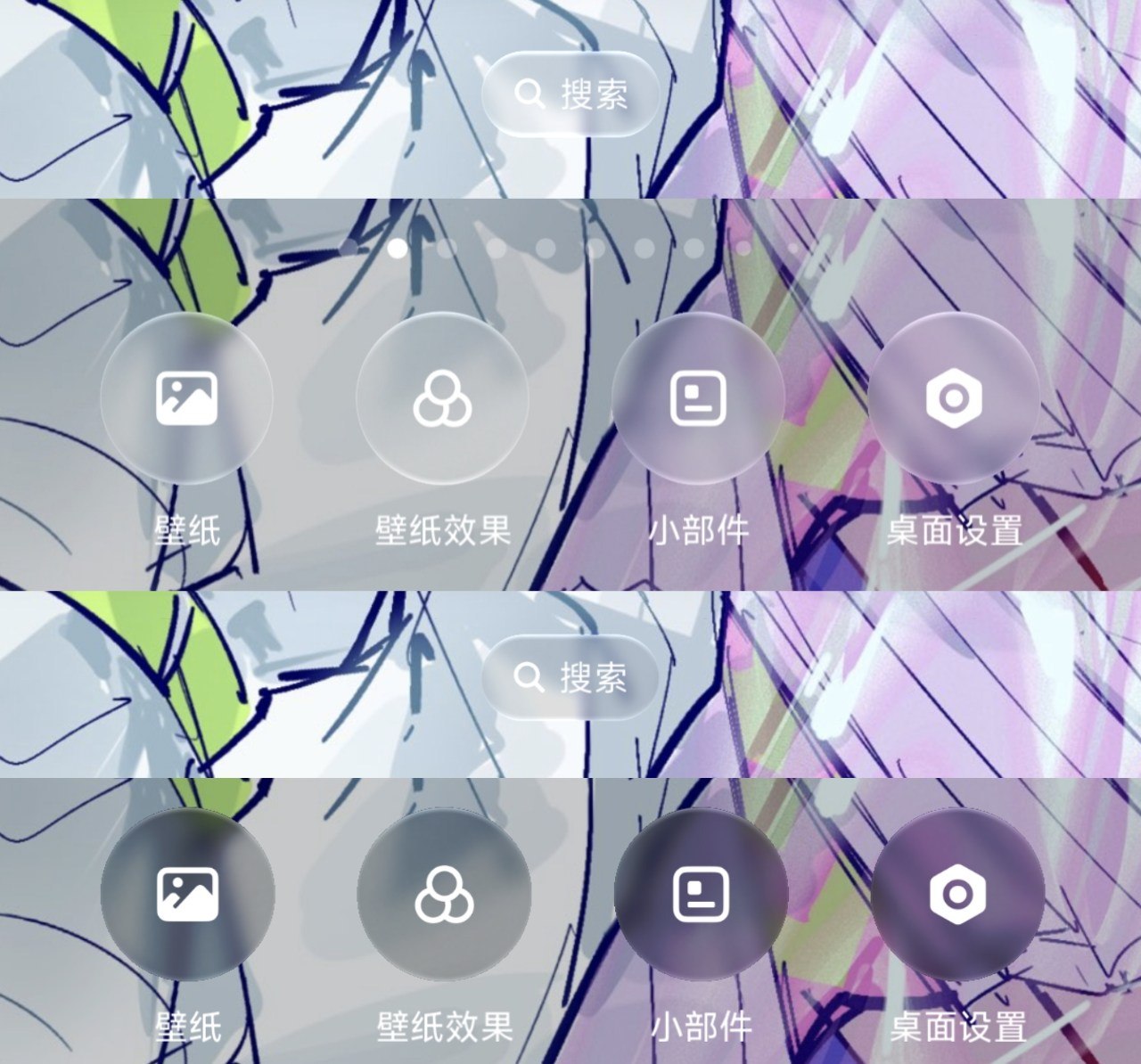
Because the leaked launcher is running on Xiaomi HyperOS 3.3 test builds instead of the final HyperOS 4 framework, several Liquid Glass elements still render incorrectly. However, the animations and UI structure already demonstrate Xiaomi’s new aesthetic direction.
HyperOS 4 could become Xiaomi’s biggest software redesign in years
The combination of Rust-based applications, Liquid Glass visuals, and major framework cleanup suggests HyperOS 4 may become far more than a routine yearly update. Xiaomi appears to be rebuilding both the technical foundation and the visual identity of Xiaomi HyperOS simultaneously.
This strategy could help Xiaomi compete more aggressively against Apple and Samsung in software smoothness, animation quality, and ecosystem consistency. Xiaomi also seems focused on reducing fragmentation between devices while preparing for future AI-powered features and deeper Xiaomi HyperConnect integration.
Users interested in testing leaked Xiaomi applications can already find some early HyperOS 4 components through the MemeOS Enhancer app or via updates tracked on MemeOSUpdates.com.