


Xiaomi has once again demonstrated that reaching the end of official software support does not necessarily mean a device will be completely abandoned. Even after their scheduled update lifecycles ended, several Xiaomi, REDMI, and POCO smartphones unexpectedly received new software updates within the last two months to address critical issues and improve overall system stability.
This move highlights Xiaomi’s continued commitment to maintaining device reliability, especially when severe bugs, security vulnerabilities, or system-breaking problems are discovered after the official support window expires.
Xiaomi continues releasing updates for EOL devices
Many users assume that once a smartphone reaches EOL (End of Life), all software development immediately stops. However, Xiaomi’s latest actions prove that this is not entirely accurate.
The company recently pushed updates for multiple older devices despite their official update support periods already ending. The affected smartphones include:
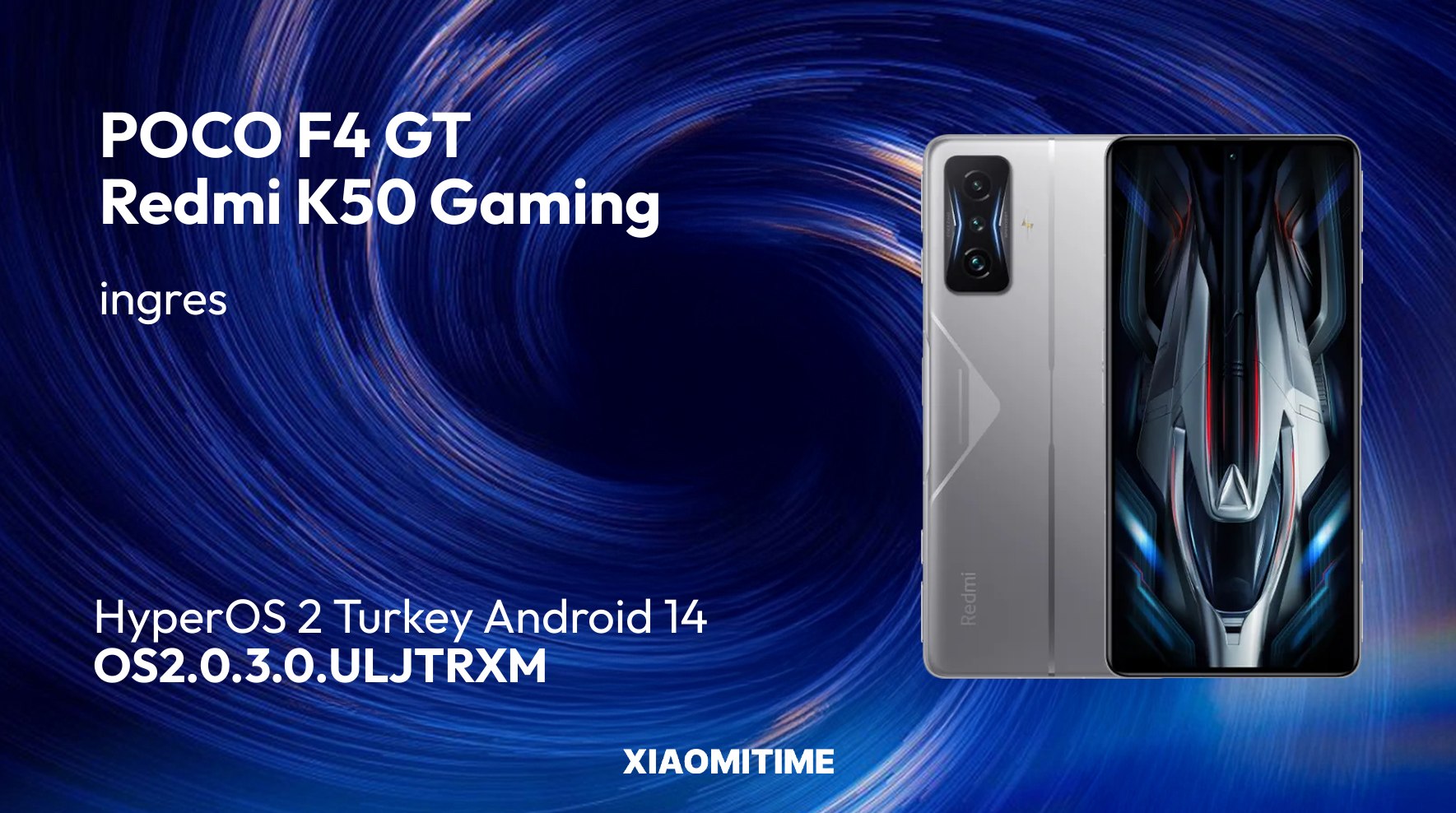
- POCO F4 GT
- POCO F4
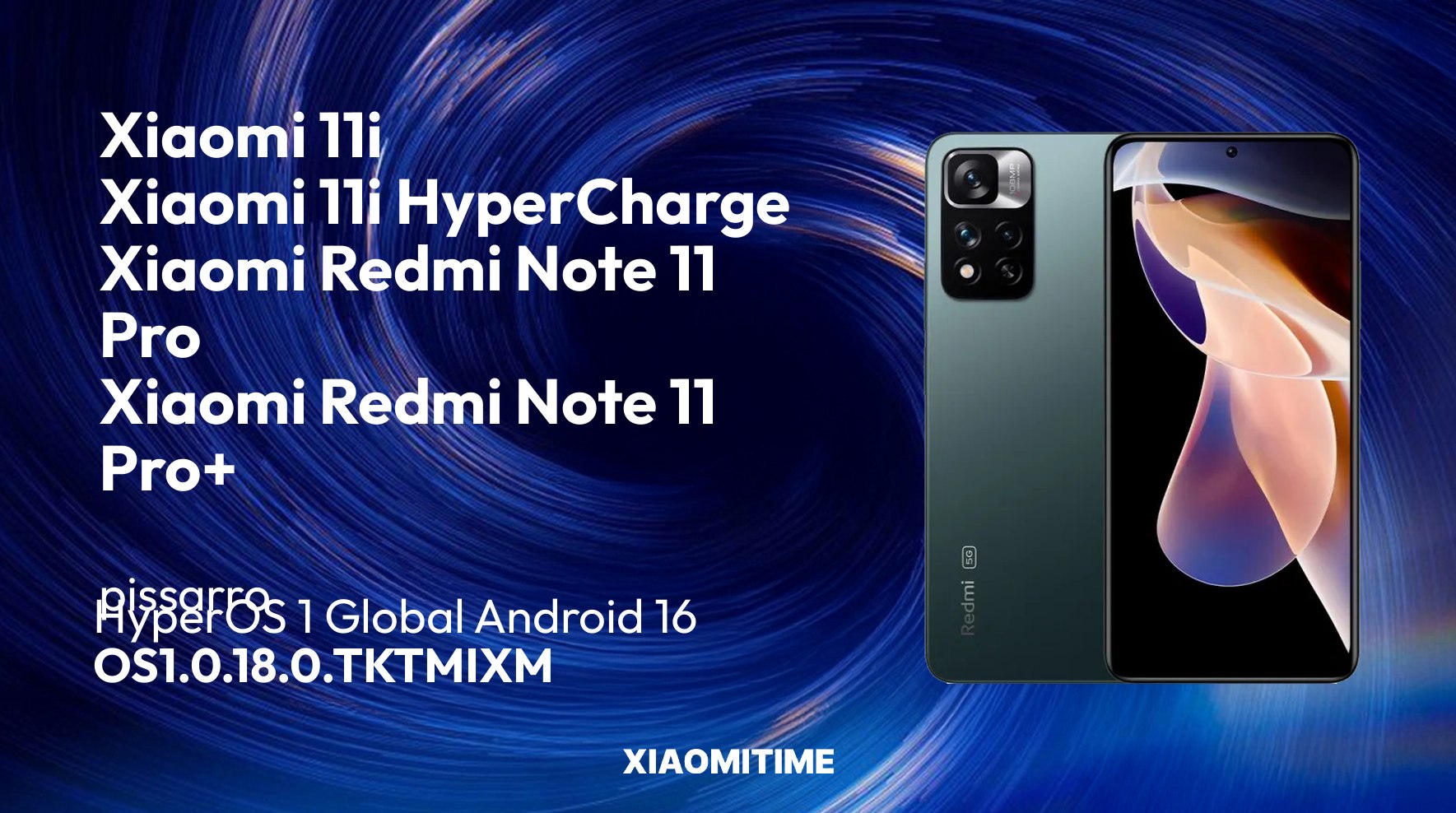
- Xiaomi 11i
- REDMI Note 11 Pro+
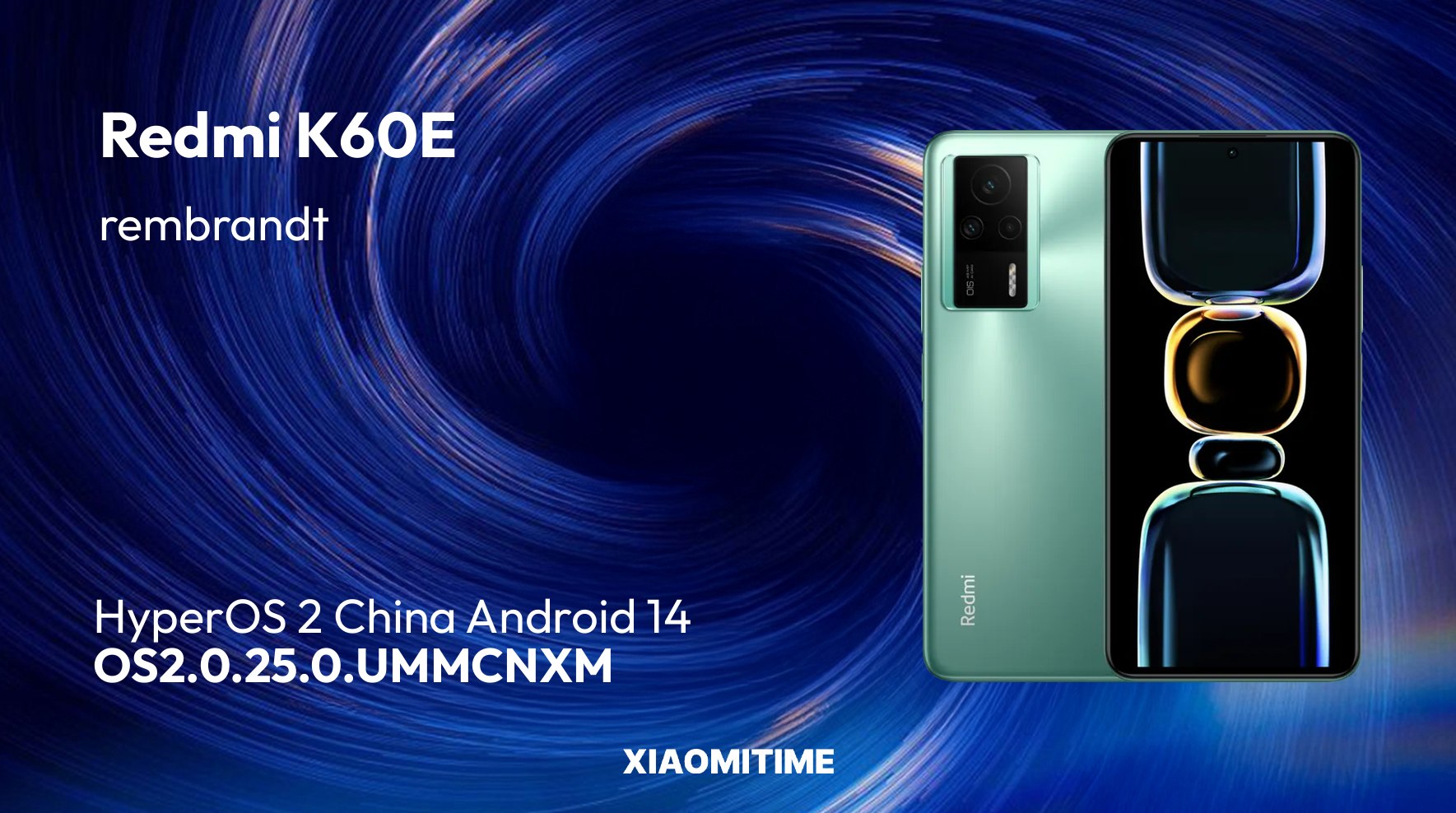
- REDMI K60e
- Xiaomi 12
- Xiaomi 12 Pro
This situation clearly shows that Xiaomi still monitors devices even after their official software support roadmap expires.
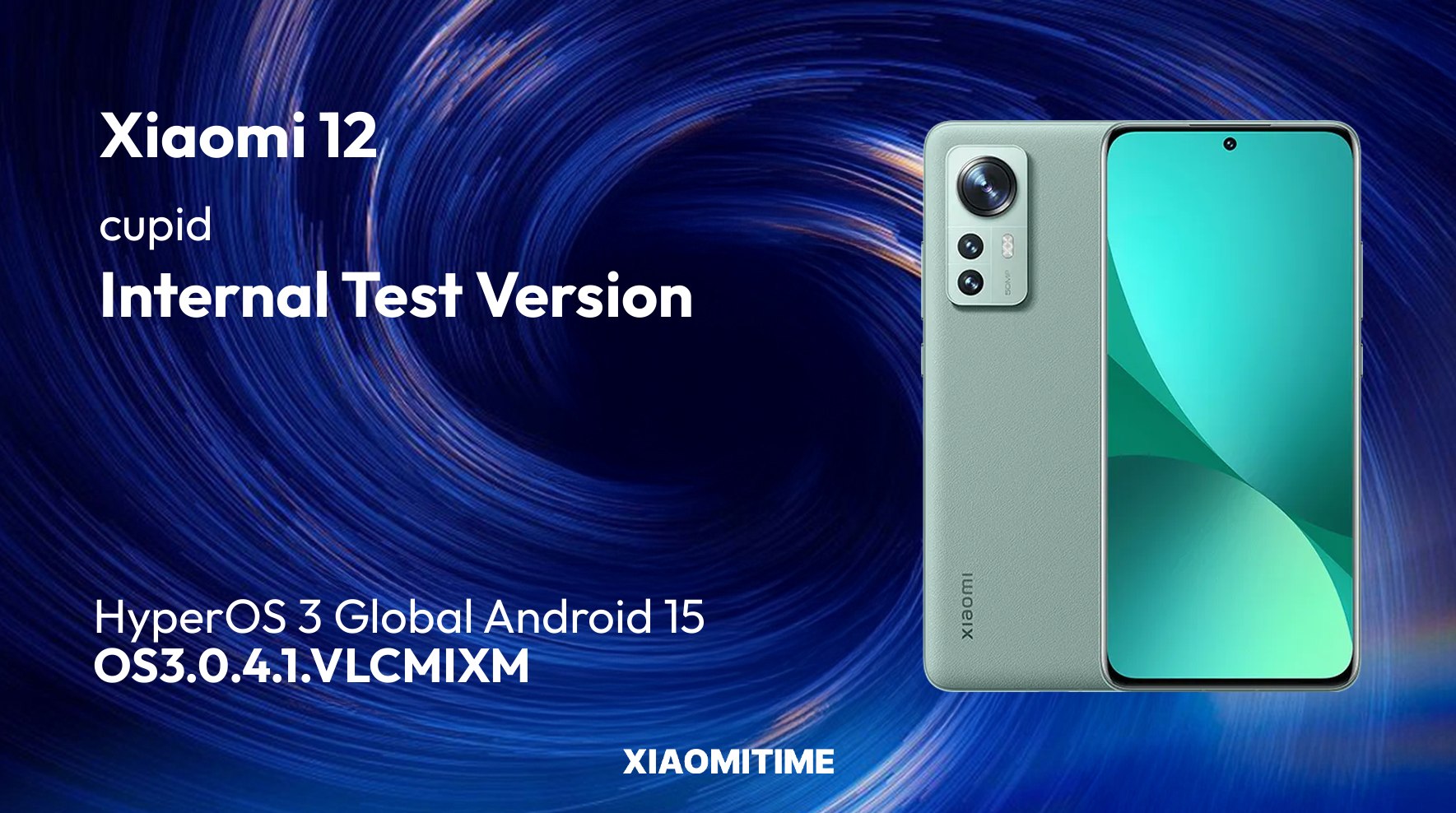
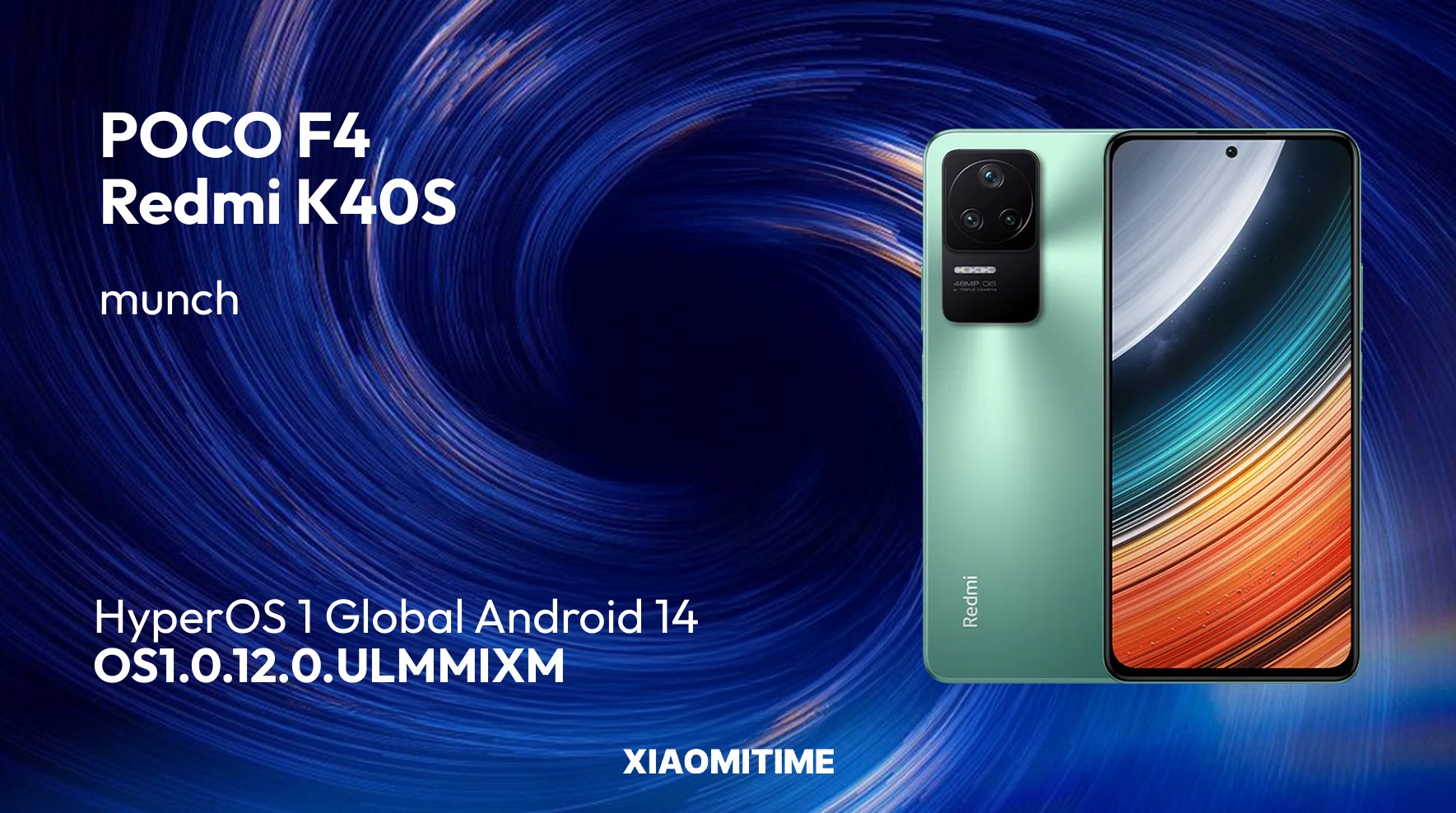
Why Xiaomi still releases updates after EOL
In most cases, EOL simply means that devices are no longer guaranteed to receive:
- Major Android upgrades
- Regular HyperOS feature updates
- Monthly security patches
However, if Xiaomi engineers identify a critical issue that impacts:
- System stability
- Device security
- Battery safety
- Network connectivity
- Bootloop risks
- Severe app crashes
the company may still prepare and distribute emergency software patches.
This is especially important for devices with large active user bases. Xiaomi appears to prioritize ecosystem stability and brand reliability over strictly following support deadlines when serious problems emerge. The REDMI K60e was launched exclusively in China. Standard REDMI K-series devices are typically introduced globally under the POCO branding strategy, although the REDMI K60e itself did not receive a direct global equivalent.
What this means for Xiaomi users
For users, this development is reassuring. It means:
- Devices are not instantly abandoned after EOL
- Critical bugs may still get patched
- Xiaomi continues monitoring older software branches
- HyperOS ecosystem stability remains a priority
This also explains why some users occasionally receive “unexpected” updates on devices that officially lost support months earlier.
Xiaomi’s long-term software strategy
Xiaomi has been aggressively improving its software reputation over the past few years through Xiaomi HyperOS and expanded ecosystem integration. While official update promises remain important, these post-EOL patches show the company is willing to intervene when major issues threaten user experience.
Platforms like MemeOSUpdates.com and tools such as the MemeOS Enhancer continue tracking these hidden fixes and backend HyperOS developments closely, helping users stay informed about surprise updates, bug fixes, and Xiaomi’s evolving software strategy.


The same crap as with Xiaomi 13T and in the end, they don’t care. I no longer trust Xiaomi in anything and it is the worst support I have ever experienced.
The same crap as with Xiaomi 13T and in the end, they don’t care. I no longer trust Xiaomi in anything and it is the worst support I have ever experienced.
The same crap as with Xiaomi 13T and in the end, they don’t care. I no longer trust Xiaomi in anything and it is the worst support I have ever experienced.
Xiaomi is already talking about the arrival of OS4 and Android 17 on my 13T, I don’t even have OS 3 and I am still on Android 15, why???? I would like to know the reasons for this delay, the rest of the range is already up to date.
There are 3.1 beta releases for the 13T available… so I’d expect that the 13T skips 3.0 and goes directly to 3.1
For some reason, they never release updates for those with unlimited usage, and you don’t report this, shame on you.
POCO F3 got two Android upgrades and one UI update. F3 ended on HyperOS 1. POCO F5 got two Android upgrades and one UI update (ending on HyperOS 3). But the F4 only got 2 Android upgrades WITHOUT the UI update. The F4 is stuck on HyperOS 1, the same as the F3.
Will the European version of the Xiaomi Redmi Note 11 Pro 5G also get the new software?
1234Foreva