


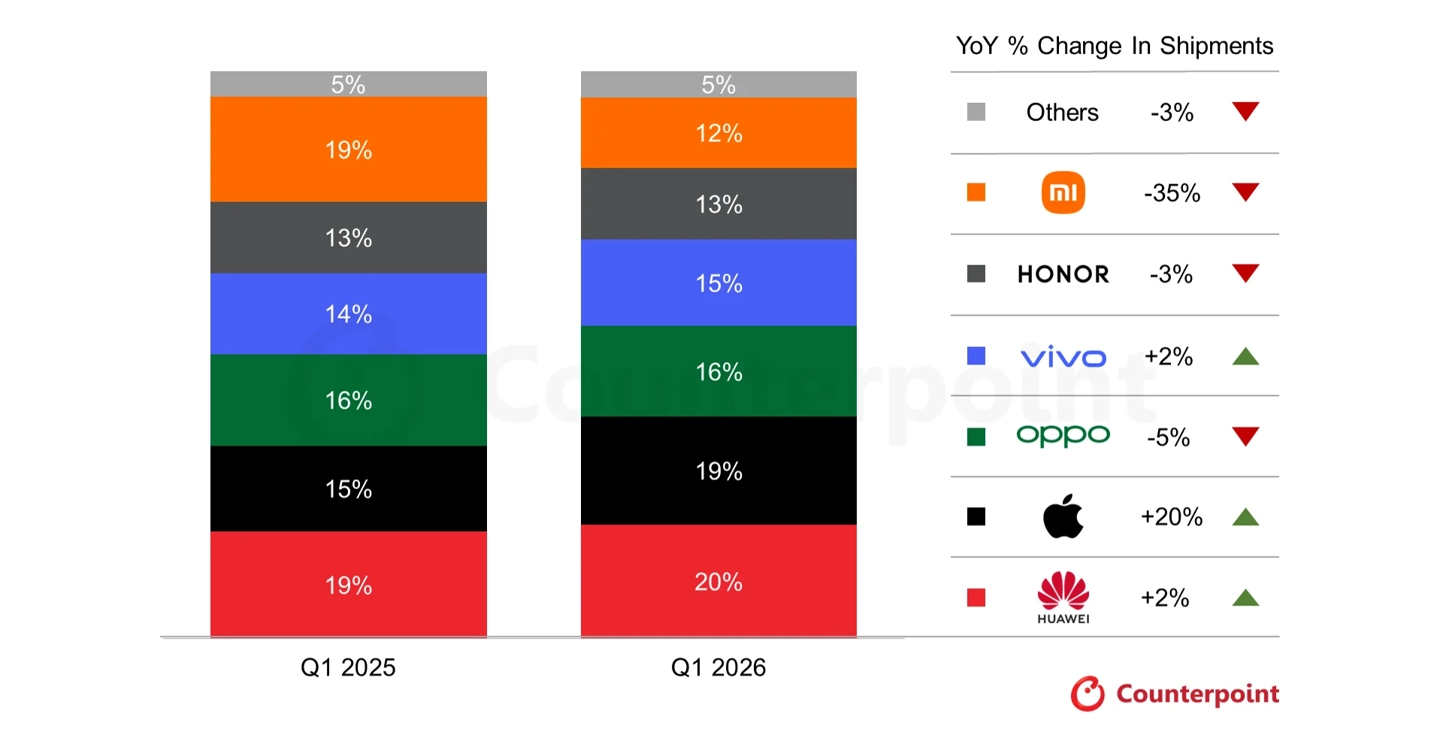
The latest market report from Counterpoint Research for Q1 2026 has sent shockwaves through the industry, revealing a significant 35% year-on-year decline in shipments for Xiaomi in its home market. While the overall Chinese smartphone market saw a modest 4% dip due to rising component costs and a high base from the previous year, Xiaomi’s sharper decline highlights a period of strategic transition and intense supply chain pressure.
The Cost of Innovation: Memory Surges and “Conservative” Pricing
The primary technical hurdle for Xiaomi this quarter has been the explosive rise in LPDDR5 memory costs. High demand for AI-driven bandwidth in the server sector has squeezed wafer capacity, leading to a “double whammy” for manufacturers.
Xiaomi, which traditionally dominates the price-performance segment, adopted a conservative pricing strategy to maintain margins. This pivot meant fewer aggressive promotions for its “core” volume drivers, allowing competitors with different supply chain buffers—like Huawei and Apple—to capture market share. While the premium Xiaomi 17 series continues to perform well, the entry-to-mid-range segments bore the brunt of these cost spikes.
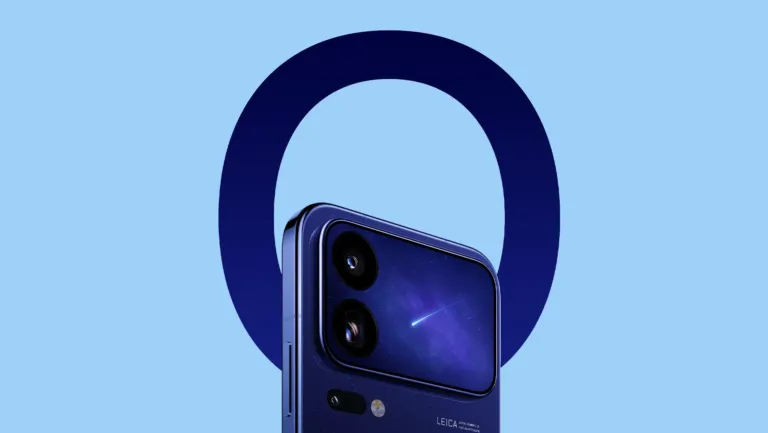
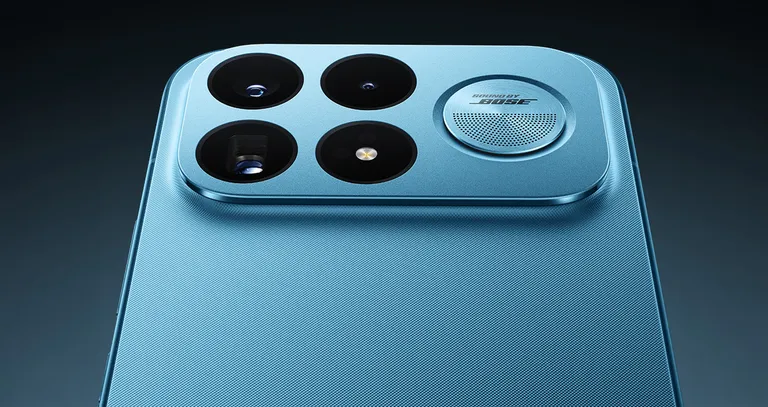
To counter this, Xiaomi is preparing a hardware-heavy response with the upcoming Redmi K90 Max (also known as the Xiaomi 17 Max). This new flagship is designed to re-energize the market with industry-leading specifications:
-
Processor: Powered by the flagship MediaTek Dimensity 9500.
-
Battery: A massive 8,550mAh silicon-carbon battery.
-
Cooling: An innovative active cooling fan—the largest ever in a smartphone—capable of dropping temperatures by 10°C in just 100 seconds.
-
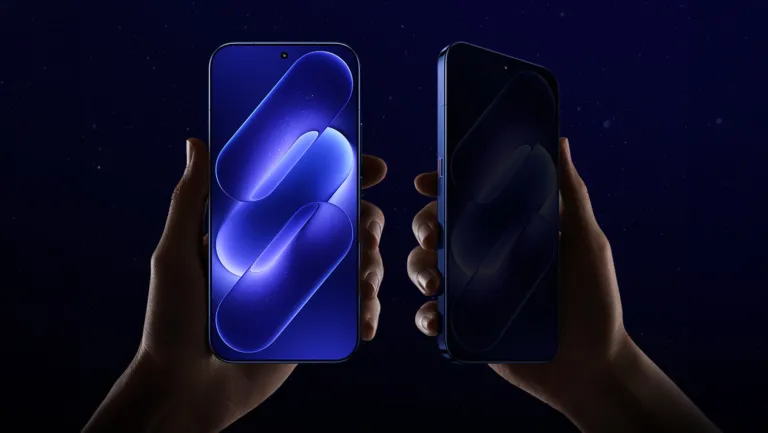
Display: A 6.83-inch 165Hz M10 panel with 3,500 nits peak brightness.
HyperOS 4: The Software Savior for Low-Memory Devices
The most promising news for users of budget-friendly Xiaomi devices is the leaked roadmap for Xiaomi HyperOS 4. Our internal sources indicate that a core pillar of the next-gen OS is a deep architectural rewrite of system applications using the Rust programming language.
The goal of HyperOS 4 is a drastic reduction in system RAM usage. By optimizing how the OS handles background processes and memory compression, Xiaomi aims to ensure that “less ram” devices—the very models that struggled this quarter—can deliver a flagship-tier fluid experience. This optimization, paired with enhanced Xiaomi HyperConnect capabilities, will allow even older Redmi hardware to function seamlessly within the broader ecosystem.

Falls, due to price increases,
Normal!
And because after years and years of MIUI and now HyperOS, they still haven’t solved the aggressive way of freeing RAM, even on apps that are set as “No restrictions”.
Also… having ads everywhere that need to be deactivated in a thousand different places, even on >1000 € phones… it makes them look cheap, which is something that makes no sense to do on expensive phones.
And the delay of updates and lack of feature development. Can’t wait to order the Oppo tmrw.