Xiaomi’s decision to officially bring the Xiaomi 17T series to China may look like a simple market expansion at first glance. However, after analyzing Xiaomi’s recent product lineup changes, it is becoming clear that the company is quietly rebuilding its entire smartphone strategy from the ground up.
For years, Xiaomi’s T series existed almost exclusively as a global-market product line. Chinese users never saw T-series devices because Xiaomi already had multiple flagship-focused lineups inside China, including the standard Xiaomi numbered series and the REDMI K series.
The formula was extremely simple in previous generations:
- REDMI K Ultra series for China
- Xiaomi T Pro series for global markets
For example:
- REDMI K60 Ultra became Xiaomi 13T Pro globally
- REDMI K70 Ultra became Xiaomi 14T Pro globally
These devices were historically almost identical, with only small regional software and network changes. Xiaomi effectively used the T series as a global rebranding strategy for REDMI K Ultra devices.
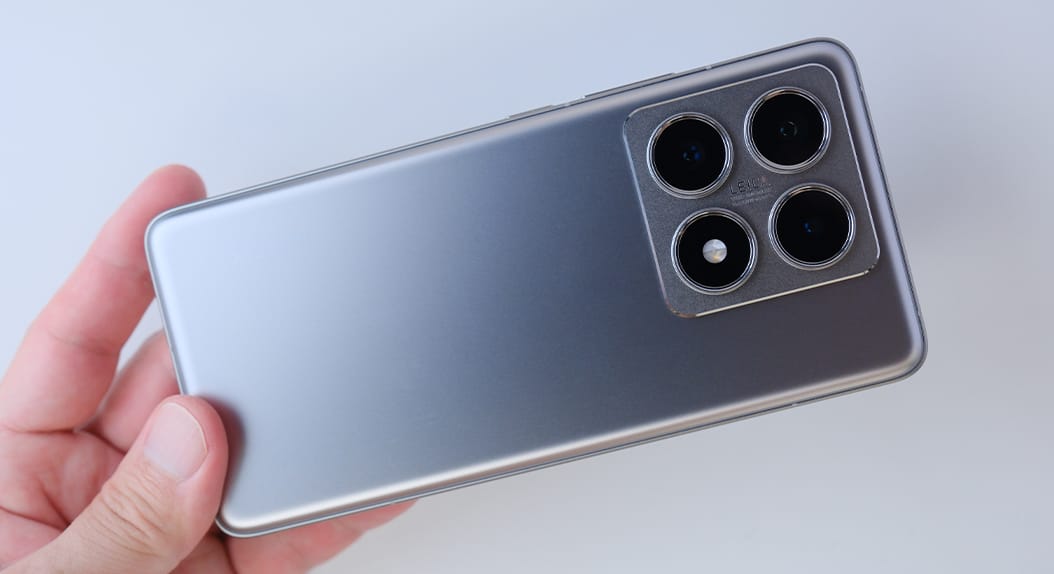
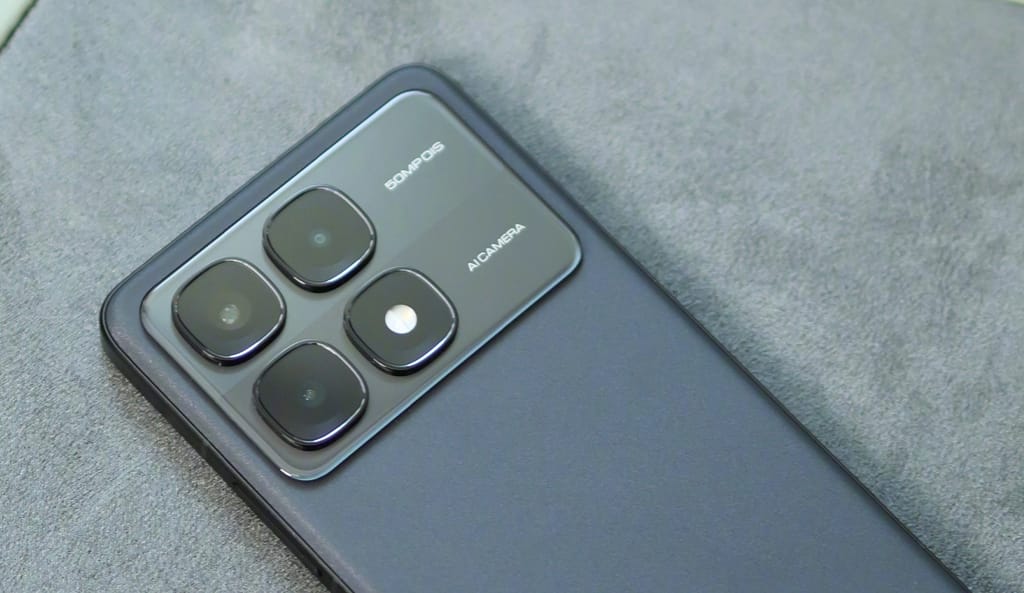
However, Xiaomi quietly changed this strategy with the Xiaomi 15T Pro generation.
Xiaomi already changed the rebranding system once
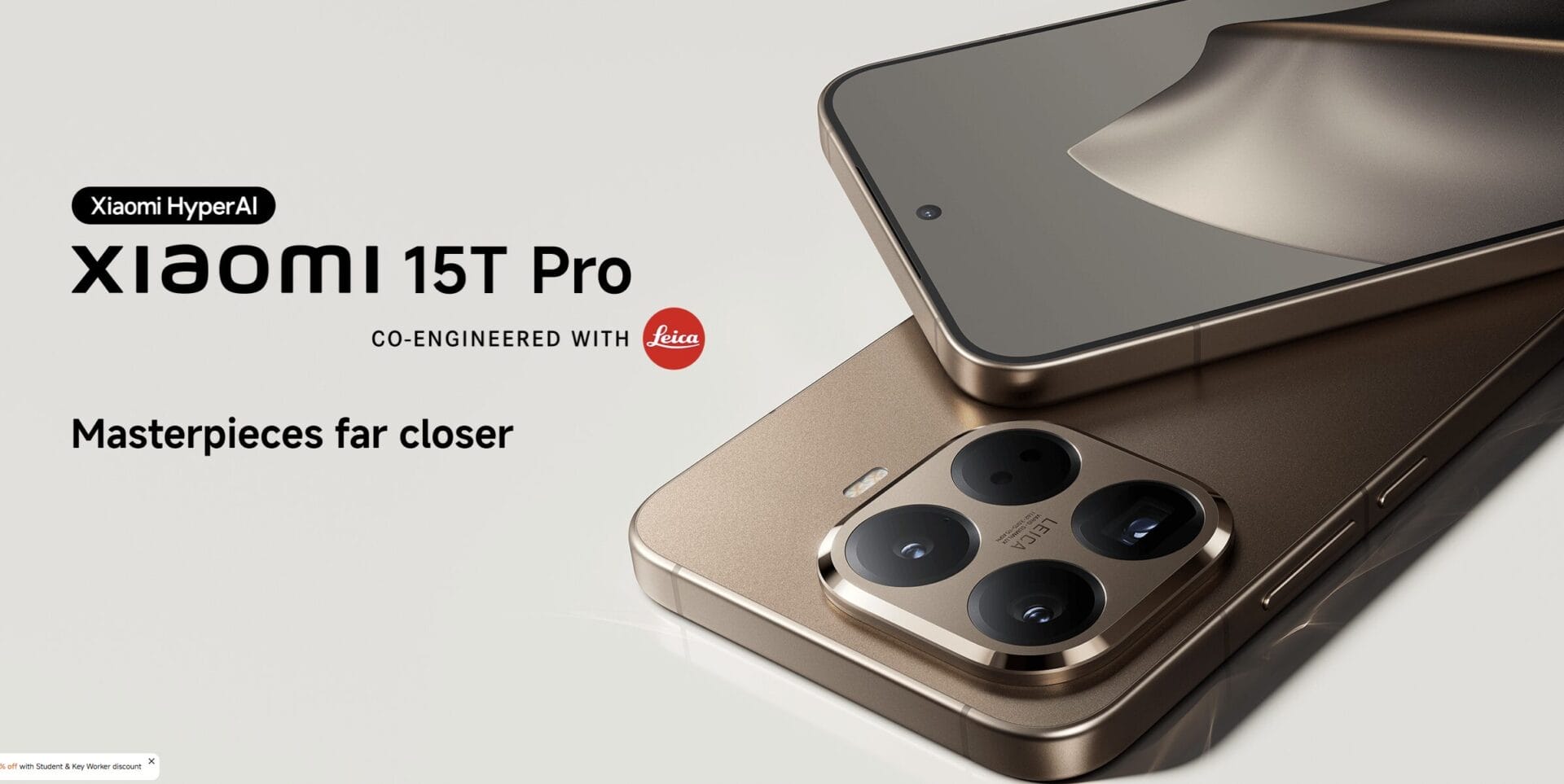
The REDMI K80 Ultra and Xiaomi 15T Pro were no longer fully identical devices. While both shared similar hardware foundations, Xiaomi introduced noticeable differences:
- Different model numbers
- Different codenames
- Different camera positioning
- Different software optimizations
- Different regional branding strategies
This was the first major sign that Xiaomi no longer wanted the T series to remain just a “global REDMI K Ultra.”
Now, with the Xiaomi 17T series officially entering China for the first time, the transformation appears to be accelerating.
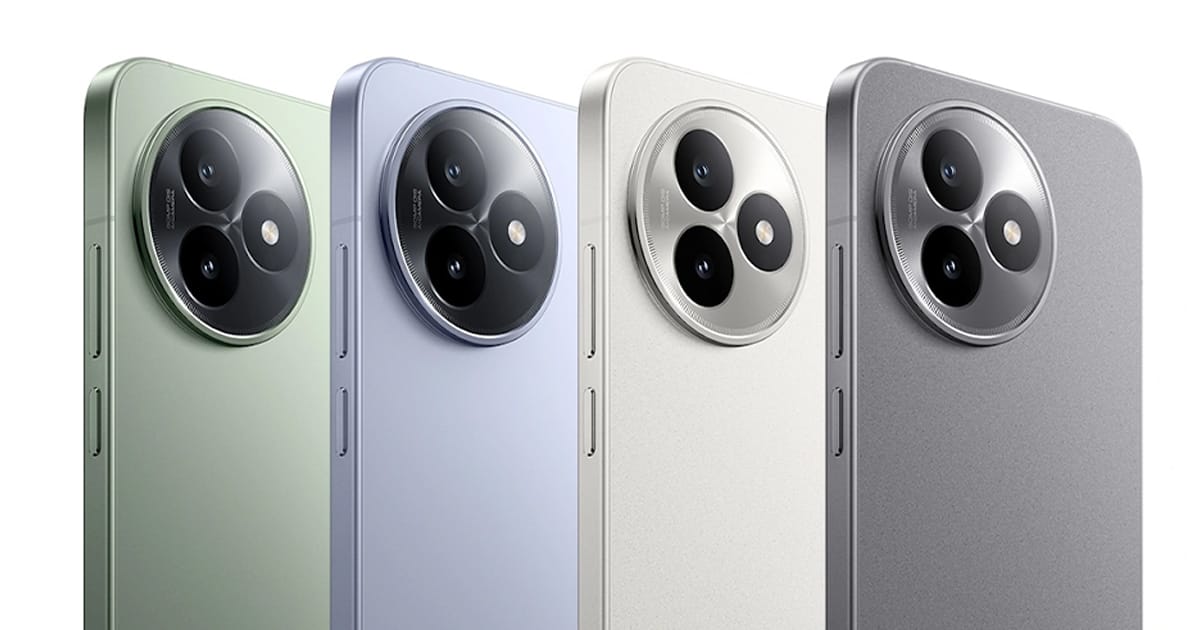
Xiaomi’s entire flagship portfolio is expanding rapidly
Based on current leaks and certification information, Xiaomi’s upcoming lineup is becoming significantly more segmented than previous years.
REDMI K lineup
The REDMI K series is evolving into a dedicated performance-focused ecosystem:
- REDMI K90 Pro Max → global equivalent: POCO F8 Ultra
- REDMI K90 Pro → global equivalent: POCO F8 Pro
- REDMI K90 Max → China-exclusive gaming-oriented model with cooling fan
- REDMI K90 Ultra → China-exclusive premium model currently undergoing certification
Xiaomi flagship lineup
Meanwhile, Xiaomi’s own premium lineup is also expanding aggressively:
- Xiaomi 17
- Xiaomi 17 Max (China exclusive)
- Xiaomi 17 Pro (China exclusive)
- Xiaomi 17 Pro Max (China exclusive)
- Xiaomi 17 Ultra
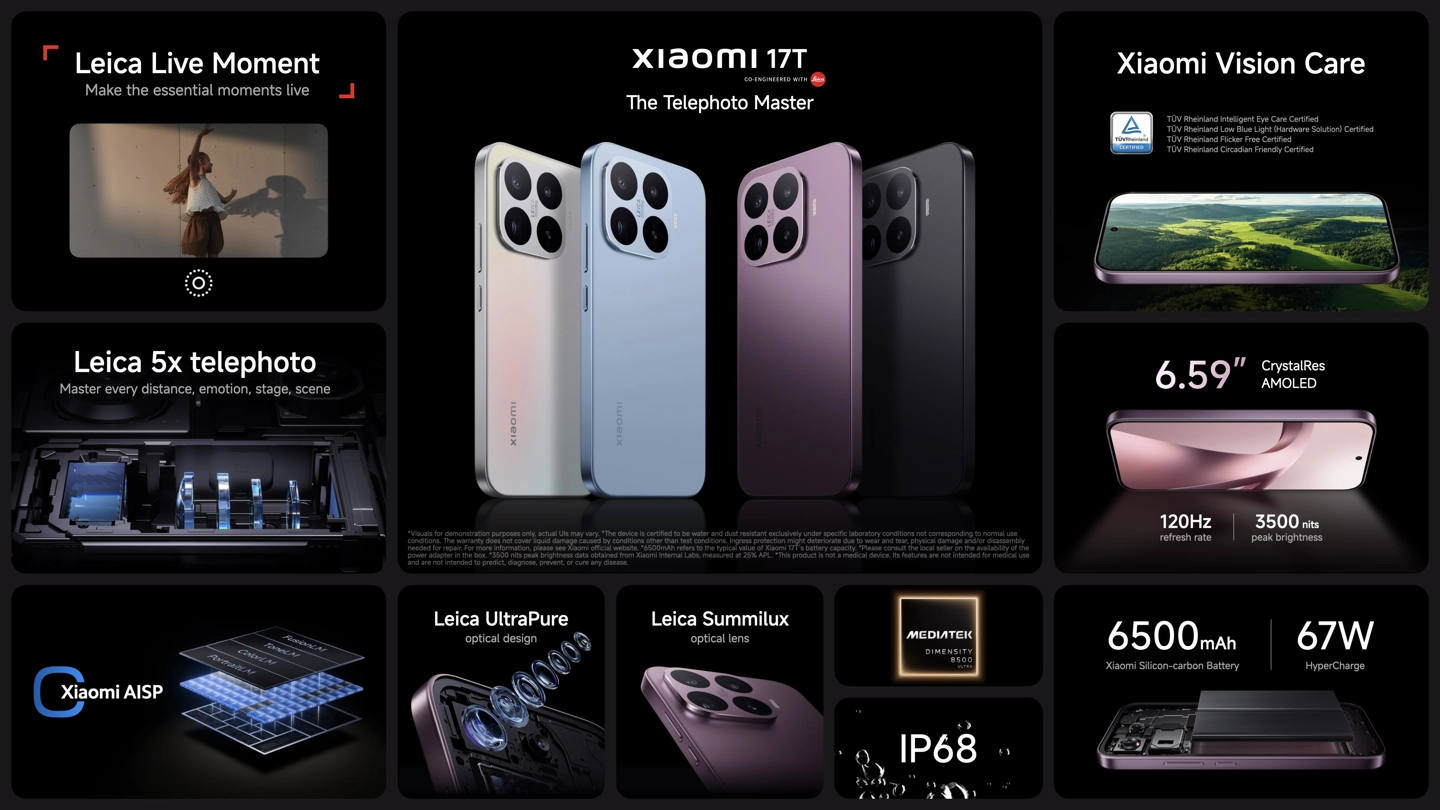
- Xiaomi 17T
- Xiaomi 17T Pro
This is a dramatic increase in segmentation compared to previous generations.
The biggest question: why are so many Xiaomi phones becoming nearly identical?
This is where Xiaomi’s strategy becomes controversial. Several upcoming devices reportedly share extremely similar hardware platforms. In some cases, Xiaomi is effectively taking the same core hardware platform, slightly modifying cameras or charging systems, and repositioning the device under a different brand identity.
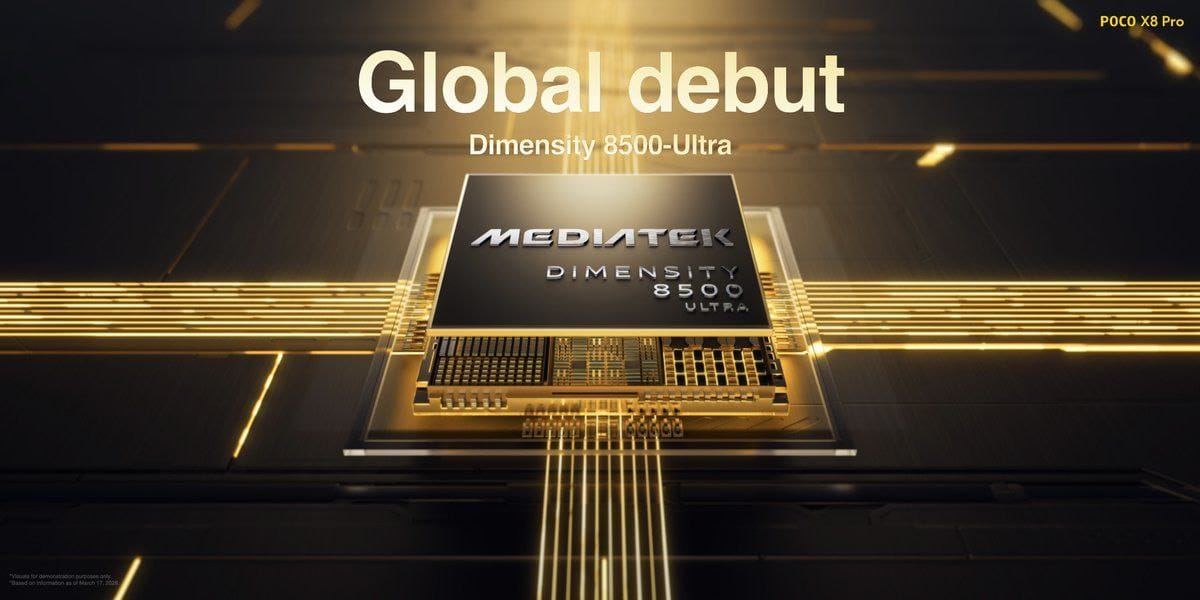
For example, the Xiaomi 17T shares its chipset platform with the REDMI Turbo 6 Max, which is launched globally as the POCO X8 Pro.
This creates an unusual situation where:
- POCO focuses on aggressive pricing
- REDMI focuses on raw performance
- Xiaomi T focuses on premium lifestyle positioning
Despite sharing similar internal hardware. In many cases, Xiaomi appears to differentiate devices primarily through:
- Camera systems
- Leica branding
- Software tuning
- Battery configuration
- Design materials
- Market positioning
This strategy resembles the automotive industry’s platform-sharing systems, where multiple vehicles share the same engineering base while targeting different audiences.
Why the Xiaomi 17T series entering China matters
The Xiaomi 17T series launching in China is important because it officially confirms that the T series is no longer just a global rebranding project. Instead, Xiaomi now appears to be transforming the T lineup into a fully independent flagship family.
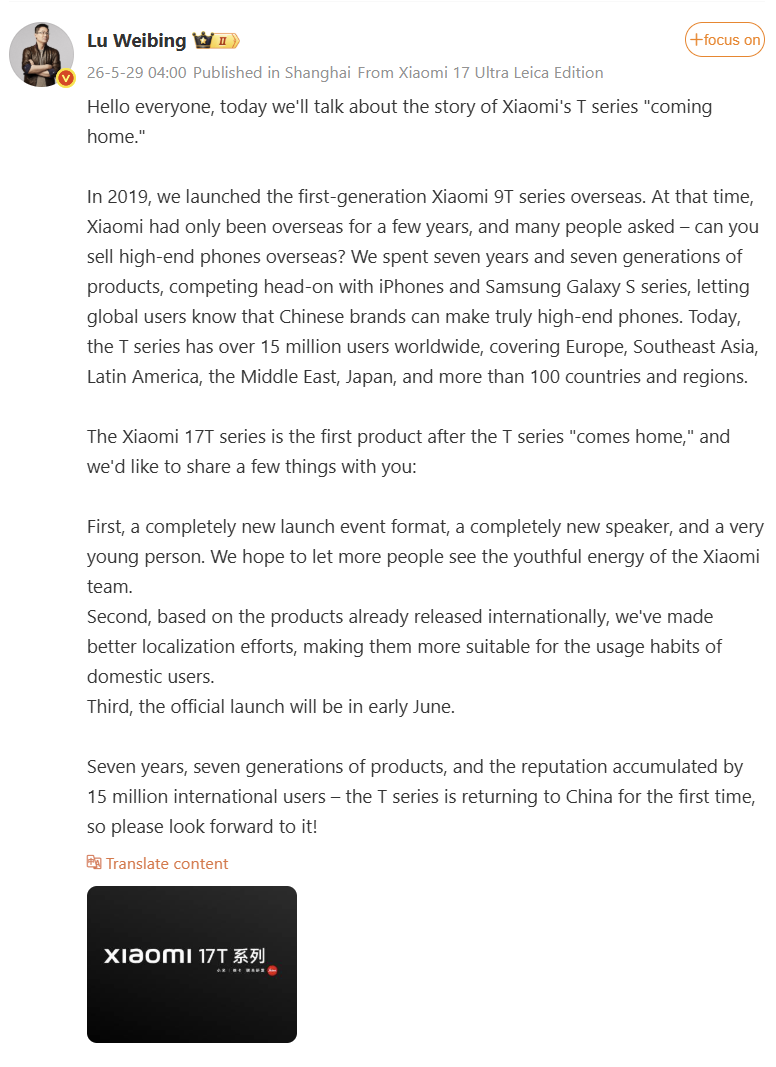
Lu Weibing’s statements strongly support this direction. Xiaomi confirmed that:
- the T series now has over 15 million global users,
- covers more than 100 countries and regions,
- and will receive localized improvements specifically for Chinese users.
The Xiaomi also mentioned a completely redesigned launch presentation format targeting younger audiences. This suggests Xiaomi wants the T series to become:
- a youth-focused flagship,
- a battery-focused flagship,
- and potentially a lifestyle-oriented premium lineup positioned between REDMI and Ultra models.
Xiaomi’s strategy may be inspired by Apple and Samsung
Xiaomi’s current direction strongly resembles the segmentation strategy used by Apple and Samsung.
Apple now operates:
- iPhone
- iPhone Plus
- iPhone Pro
- iPhone Pro Max
Samsung operates:
- Galaxy S
- Galaxy S+
- Galaxy Ultra
- Galaxy FE
Xiaomi appears to be building a similar multi-layer structure:
| Series | Positioning |
|---|---|
| REDMI K | Performance-focused |
| POCO | Aggressive price-performance |
| Xiaomi T | Youth and lifestyle premium |
| Xiaomi Number Series | Mainstream flagship |
| Xiaomi Ultra | Camera-focused ultra premium |
The advantage of this approach is lower research and development costs. Xiaomi can reuse the same motherboard platforms, chipsets, and manufacturing processes across multiple brands.
However, the downside is increasing confusion.
Xiaomi risks overwhelming consumers
While platform-sharing reduces costs, Xiaomi may now be reaching a dangerous level of product overlap. Some upcoming models appear so similar that average consumers may struggle to understand:
- why one device costs more,
- why another uses Leica branding,
- or why certain models exist at all.
This could weaken brand identity between Xiaomi, REDMI and POCO. Especially when multiple devices share identical processors, nearly identical designs, similar battery capacities, and overlapping target audiences.
Final thoughts
The Xiaomi 17T series entering China may ultimately become one of Xiaomi’s most important strategic shifts in recent years.
The T lineup is no longer simply a renamed REDMI phone for international users. Instead, Xiaomi appears to be transforming it into an entirely separate flagship identity aimed at younger consumers who prioritize battery life, performance, and lifestyle-focused premium features.
Whether this strategy succeeds will depend on whether Xiaomi can clearly separate its brands without overwhelming customers with too many nearly identical devices. At the moment, Xiaomi’s ecosystem is becoming more powerful than ever — but also more complicated than ever.