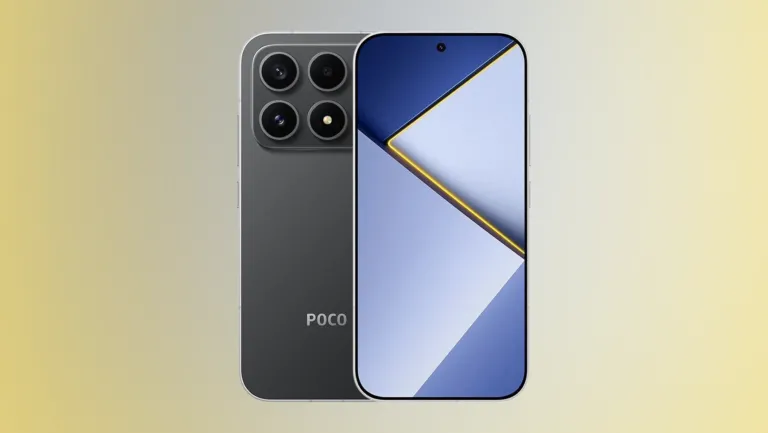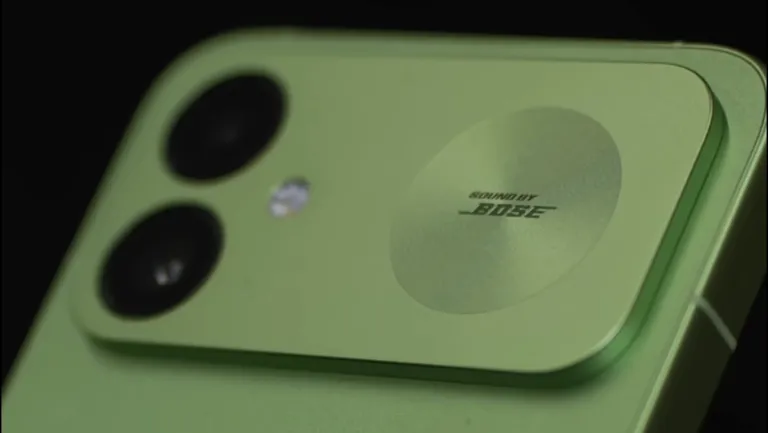
A major leak directly from Xiaomi Mi Code has unveiled critical details about the highly anticipated REDMI Note 17 Pro Max 5G. Identified by the model number Q16U and the internal codename “chicago,” as we leaked few entire REDMI Note 17 series 2 months ago this upcoming devices are targeting an unexpectedly early release window of June or July this year. The code reveals a fascinating shift in Xiaomi’s hardware strategy, highlighting a streamlined camera array, a processor brand switch, and a significant regulatory divide in battery capacities between the Chinese and Global markets.

Technical Specifications & Hardware Shifts
The latest Mi Code commits give us a clear picture of what is powering the “chicago” device, showcasing a notable pivot in silicon strategy:
-
Processor: The device will be equipped with the MT6881 chipset, which officially translates to the MediaTek Dimensity 7500. This is a highly significant shift; its predecessor, the REDMI Note 15 Pro+ 5G, utilized the Qualcomm Snapdragon 7s Gen 4 (SM7635-AC). By pivoting from Qualcomm to MediaTek for this generation, Xiaomi is likely aiming for a aggressive pricing in the upper-mid-range segment.
-
Camera Restructure: In a refreshing move, Xiaomi is ditching the traditional (and often criticized) triple-camera setup last generation, Xiaomi forwards this steps in favor of a high-quality dual-camera module on the rear. This likely means the removal of the 2MP macro “filler” lens to focus entirely on premium sensors:
-
Primary Sensor: 200 MP Samsung ISOCELL S5KHP5 (Wide)
-
Ultrawide Sensor: 8 MP Omnivision OV08F10
-
Front Camera: 32 MP Samsung ISOCELL S5KKDS
-
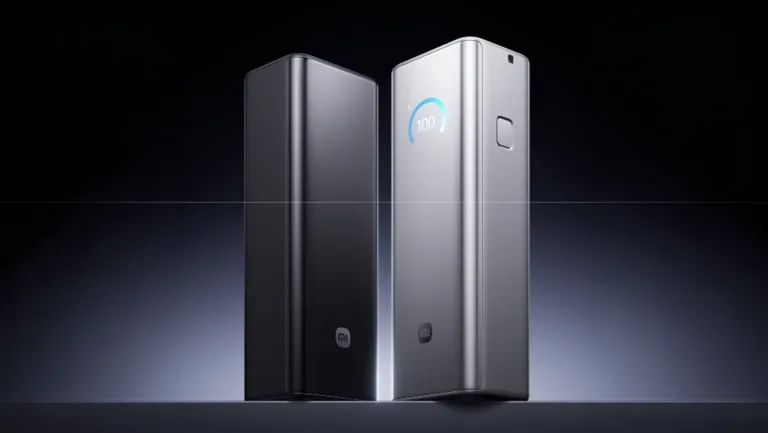
Biggest Battery in a REDMI Note: The Global vs. China Battery Divide
Perhaps the most striking revelation from this leak is the battery configuration. Both regions will support blistering 100W fast charging, but the capacities will differ drastically:
-
China Market: An absolutely massive 10,100 mAh battery.
-
Global Market: A slightly reduced 9,210 mAh battery.
Why the difference? The reduction in the global variant is directly tied to strict European Union (EU) safety protocols. EU regulations heavily monitor battery density, thermal limits, and fast-charging safety compliance. To ensure the device legally passes global certifications without thermal throttling or hardware redesigns, Xiaomi had to slightly downsize the global cell. While a downgrade on paper, 9,210 mAh remains an industry-leading capacity that will easily provide multi-day battery life.
Xiaomi’s Strategy Moving Forward
By moving away from a bloated triple-camera system to a refined dual-camera array, and pivoting from Snapdragon to Dimensity architecture, Xiaomi is clearly prioritizing raw performance and image quality over marketing gimmicks. Furthermore, proactively adjusting the battery size to navigate complex EU regulations showcases the brand’s mature approach to seamless global launches. As we approach the targeted June-July release, expect deep system optimizations within Xiaomi HyperOS 4 to maximize the MediaTek Dimensity 7500’s efficiency.