
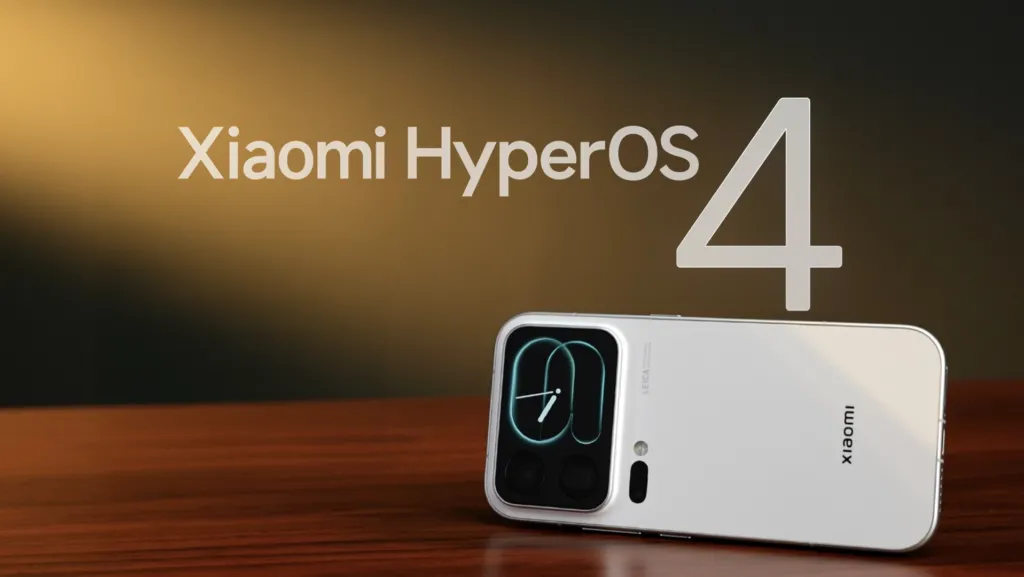

With the release of HyperOS 4, Xiaomi has expanded its Chinese ROM to include all major European languages. This marks a significant change for users in Europe who preferred Xiaomi.eu firmware for more stable software in their native languages. Now, Xiaomi’s Chinese ROM supports languages such as English (US), Arabic (Western numerals), Portuguese (Portugal), Italian, Dutch, Indonesian, Vietnamese, and many others commonly used in Europe.
Chinese ROM’s New Multilingual Support
Previously, Xiaomi.eu was widely used by enthusiasts who valued its stability compared to international Xiaomi ROMs. This custom ROM was favored specifically because it offered Chinese firmware with non-Chinese languages, allowing users to run a version they trusted in their own language. With HyperOS 4, Xiaomi’s Chinese ROM itself includes a comprehensive set of European languages, removing the primary benefit of switching to Xiaomi.eu for this reason.
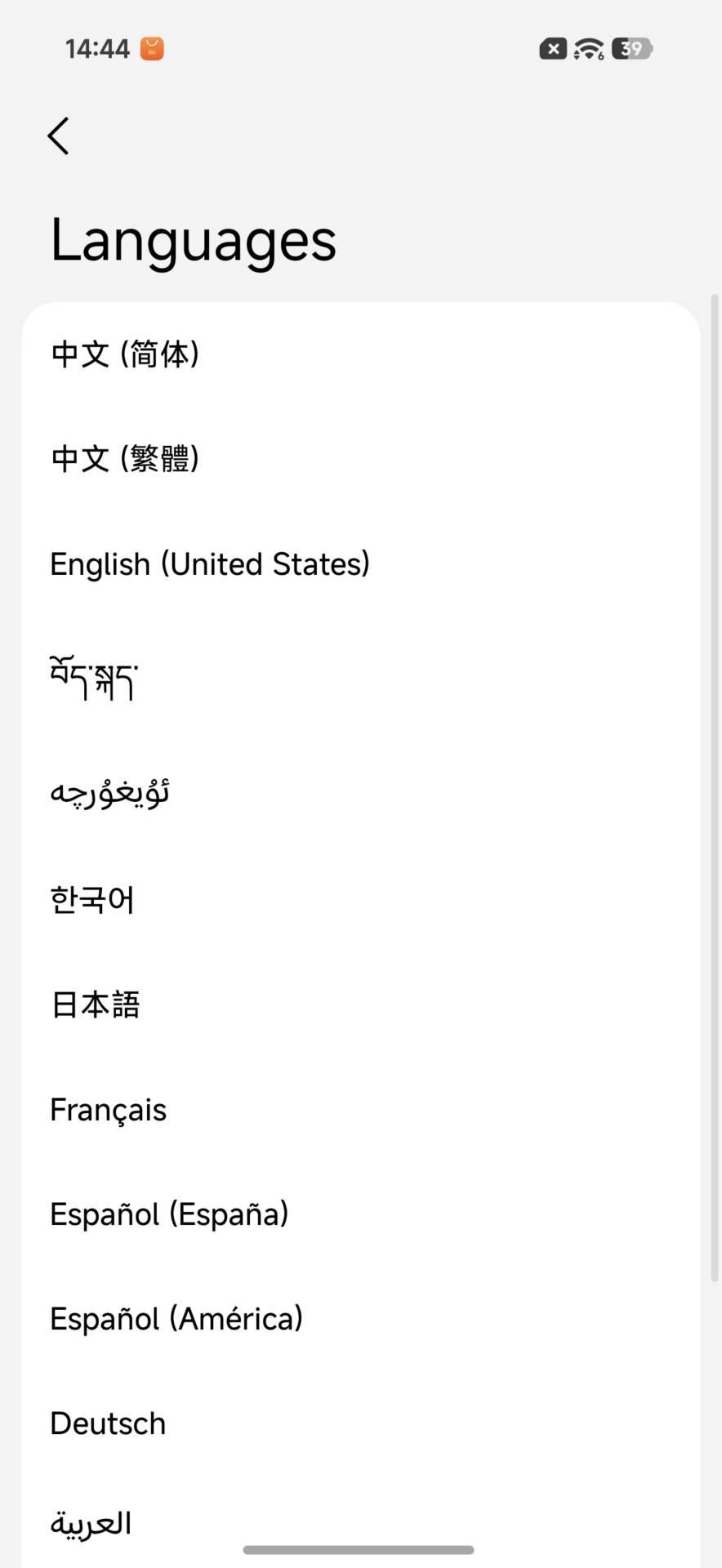
This updated Chinese ROM now supports a broad language list for the European region, including:
-
Chinese (Simplified) – 中文 (简体)
-
Chinese (Traditional) – 中文 (繁體)
-
English (United States)
-
Tibetan – བོད་སྐད་
-
Uyghur – ئۇيغۇرچە
-
Korean – 한국어
-
Japanese – 日本語
-
French – Français
-
Spanish (Spain) – Español (España)
-
Spanish (America) – Español (América)
-
German – Deutsch
-
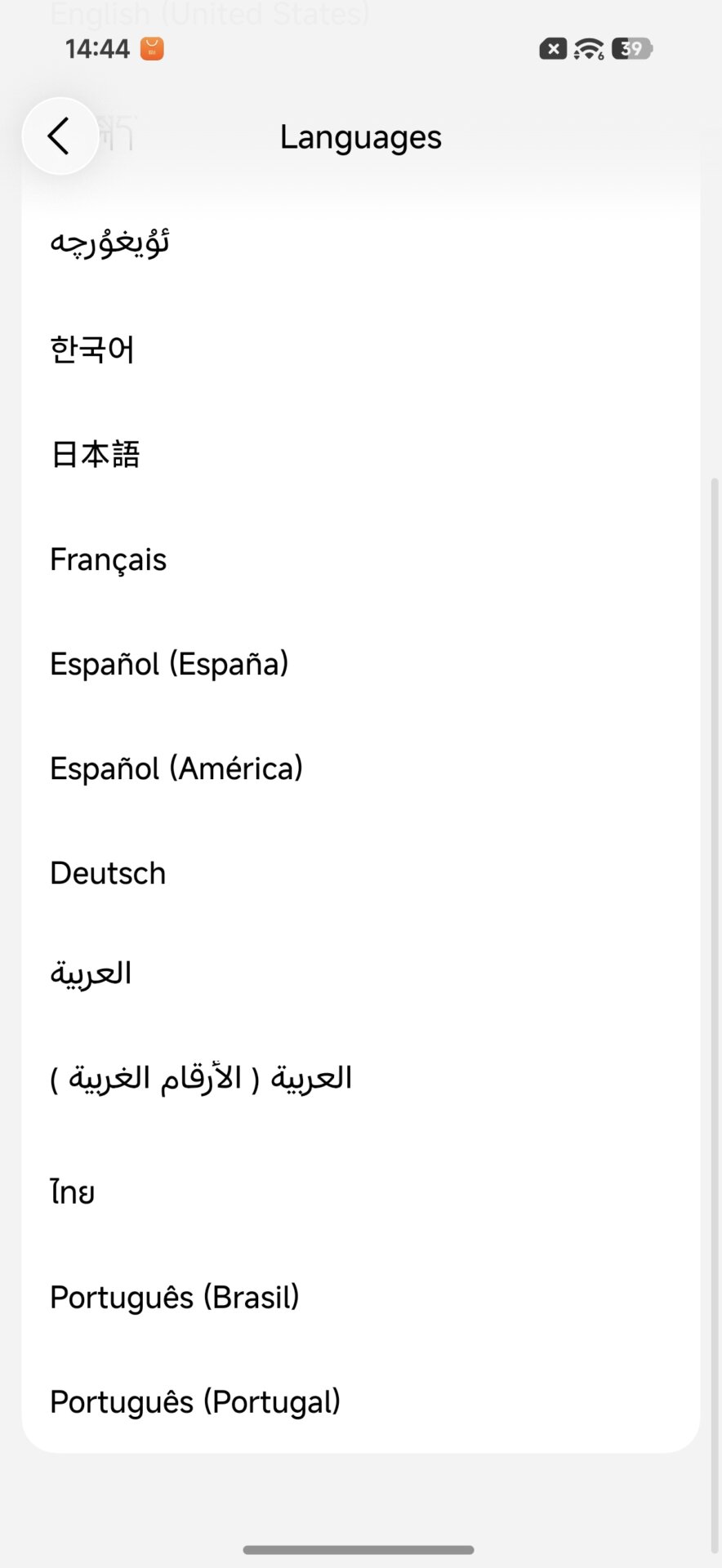
Arabic – العربية
-
Arabic (Western Numerals) – العربية ( الأرقام الغربية )
-
Thai – ไทย
-
Portuguese (Brazil) – Português (Brasil)
-
Portuguese (Portugal) – Português (Portugal)
-
Turkish
-
Russian
-
Italian
-
Hindi
-
Dutch
-
Indonesian
-
Vietnamese
-
Persian
-
Other English variations (UK, Australia, Canada, etc.)
In addition, it maintains coverage for several Asian and global languages, making it versatile for international users.
Implications for Xiaomi.eu and Locked Chinese Devices
The expanded language support in the Chinese ROM effectively reduces the community need for Xiaomi.eu in Europe. Xiaomi.eu had a unique position because it allowed non-Unlock-Bootloader (non-BL Unlock) Chinese devices—only officially sold in China—to be used comfortably with languages familiar to European users.
Now, even Chinese Xiaomi smartphones without an unlocked bootloader can operate in Europe with full multilingual support on the official Chinese ROM. This suggests that users who bought Xiaomi phones intended only for China can import and use them in European countries without resorting to custom ROMs or Xiaomi.eu builds.
What This Means for Users
Chinese Xiaomi firmware with HyperOS 4 is becoming increasingly versatile, bridging the gap for European language speakers. However, Xiaomi.eu remains known for offering extra customizations and optimizations beyond language support, so it could still serve niche communities.
For most users concerned solely with language availability and stability, the official Chinese ROM under HyperOS 4 now provides a direct alternative. This change simplifies firmware choices, particularly for those interested in devices without bootloader unlocking or who were previously hesitant about Xiaomi’s Chinese ROM’s language limitations.
Previous Coverage
Earlier reports detailed Xiaomi’s rollout of HyperOS 4, focusing on major device updates and features. This new multilanguage support for the Chinese ROM builds on the ongoing evolution of Xiaomi’s system software to unify regional and language support under HyperOS, which we covered in our previous HyperOS 4 Update article.

Good. Here we can choose which ROM to install and not necessarily the global one?
Good. So we can choose which ROM to install and not necessarily the global one?
Good. So we can choose which ROM to install and not necessarily the global one?
Title: [HyperOS 4 Stable – Global Bug] Game Turbo Floating Panel Still Fails to Display Arabic – A General Issue
Introduction:
With the stable release of HyperOS 4 Global, Arab users finally celebrated the official addition of Arabic language support to the Chinese ROM, which was seen as a major revolution. However, there is a dark corner that has not been fixed for 3 generations of the system.
What is the Problem?
The issue lies in the Floating Toolbar / Overlay of the Game Turbo app. This is Xiaomi’s official gaming interface that appears as a System Overlay on top of any game.
When the system language is English, the panel works perfectly. But when the system language is switched to Arabic, a complete display failure occurs:
1. The floating panel becomes extremely small and compressed. 2. Arabic text appears truncated, shortened, and unreadable. 3. Buttons become unclickable.
This is a general bug, not related to a specific device.
Technical Analysis – Why Does This Happen?
The cause is not a missing Arabic font; it is a pure engineering failure:
1. Hard-Coded Width: The developers of Game Turbo set the floating panel width to a fixed value of ∼320dp. This value is suitable for short English LTR text, but it is not enough for Arabic which requires more space and has connected letters.
2. RTL Failure: Game Turbo is a separate package com.xiaomi.glgm and its language engine has not been updated to align with the new HyperOS 4 engine that fully supports RTL. It does not recalculate the layout direction when switching to Arabic.
The result: The system tries to cram long Arabic text with Right-to-Left direction into a small box designed for English, so it appears cut off.
Why Wasn’t It Fixed in HyperOS 4?
The paradox is that Xiaomi fixed the issue in the main system itself in HyperOS 4 and added Arabic to the Chinese ROM, but forgot to update the Game Turbo app itself with the same new engine. So the app is still running on an old engine from the MIUI days.
Impact:
This is not a cosmetic issue. Arab users cannot use the most important features of Game Turbo during gameplay, such as screen recording, clearing RAM, or answering calls, because the panel is unreadable.
Our Request to Xiaomi Team:
We request the Xiaomi team to release a separate update for the Game Turbo app via GetApps that supports:
• Dynamic Width for the floating panel. • Full RTL support for Arabic language values-ar.
This is a general issue affecting all users of the Stable Global version who use Arabic language, and it still exists in the public HyperOS 4 Stable release.
Tags: #HyperOS4 #GameTurboBug #ArabicSupport #Xiaomi
greek language?
The Chinese HyperOS 4 resolved the language issue, but it doesn’t address the bandwidth limitations (which are hardware/certification related) or the full Google ecosystem experience. For use outside of China with Google Pay, Android Auto, and full banding, the Global ROM remains the safest choice.