
Qualcomm’s upcoming Snapdragon 8 Elite Gen 6 Pro is now at the center of a new thermal-efficiency leak. According to reports based on information shared by tipster Reptalicant, Qualcomm is testing an HPB-like heat dissipation solution for its next-generation 2nm flagship Android chipset. However, early claims suggest the implementation may not be as effective as Samsung’s version used on the Exynos 2600.
What is HPB cooling technology?
HPB, short for Heat Path Block, is a chip-level thermal design introduced by Samsung for the Exynos 2600. The concept uses a copper-based heat path placed close to the application processor, allowing heat to move away from the chip package more efficiently. In theory, this improves sustained performance, lowers thermal throttling, and helps flagship phones maintain higher frame rates during demanding gaming or benchmark workloads.
This is different from a regular phone vapor chamber. A vapor chamber cools the whole device area, while HPB works closer to the chipset itself. That makes it especially important for future 2nm processors, where power density and clock speeds are expected to rise.
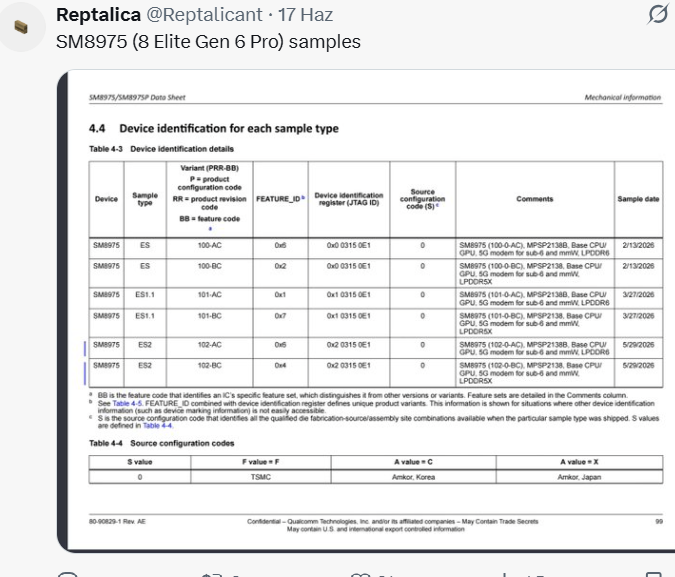

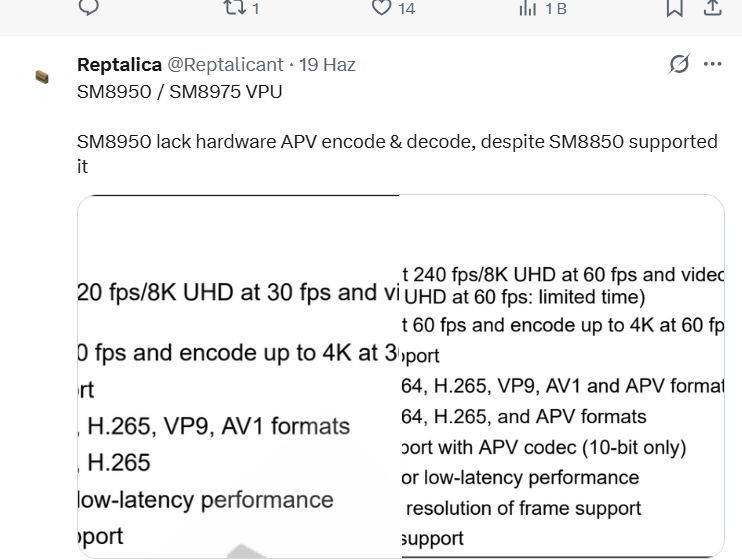
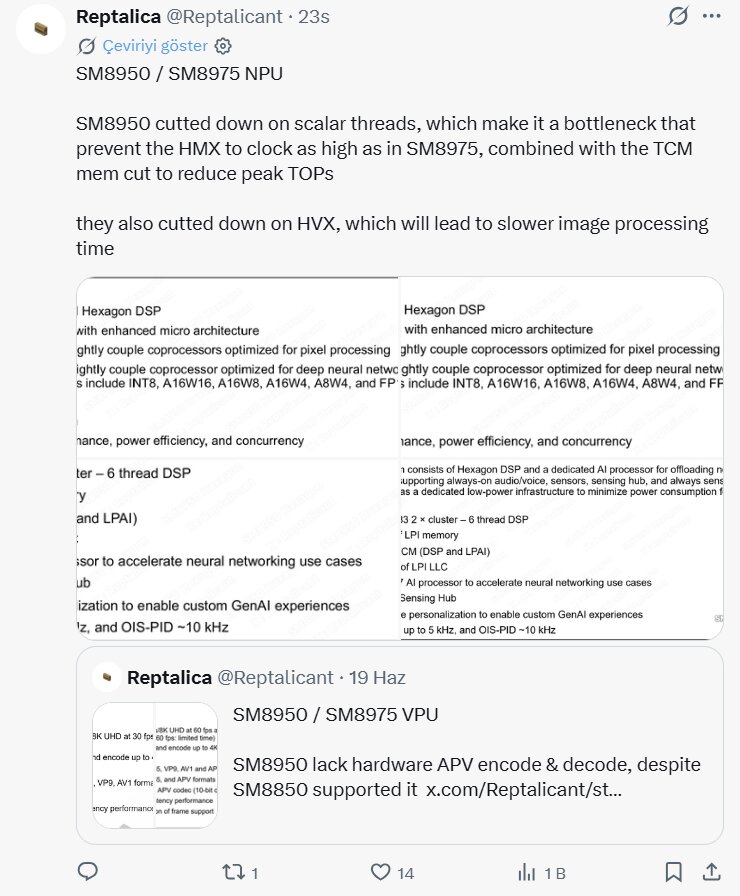

Snapdragon 8 Elite Gen 6 Pro reportedly uses a similar idea
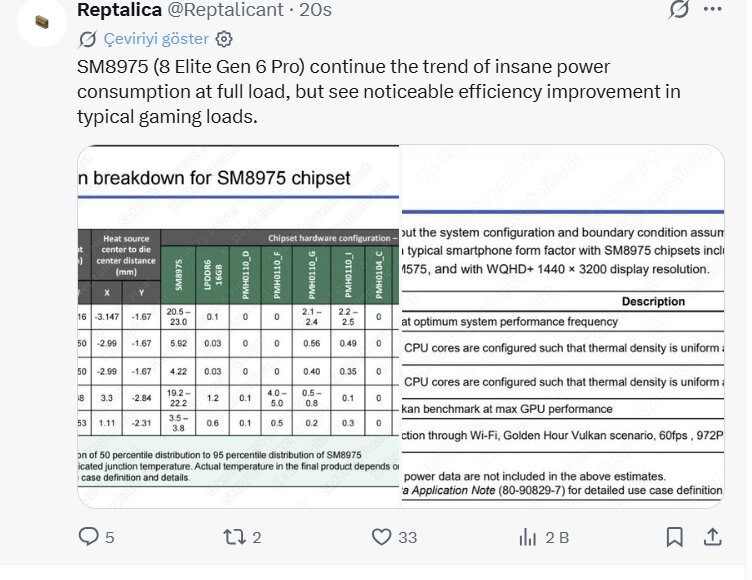
The leaked information claims that SM8975, believed to be the Snapdragon 8 Elite Gen 6 Pro, continues Qualcomm’s trend of very high full-load power consumption. However, the same leak also says the chipset brings a clear efficiency improvement under typical gaming workloads.
That means Qualcomm may still be pushing maximum performance very aggressively, but daily gaming scenarios could become more stable and efficient than before.
According to the shared discussion, Qualcomm’s HPB-like solution exists, but it reportedly does not reach the same level of effectiveness seen on Samsung’s Exynos implementation. The leaker also suggested that while the thermal path is present, it may not work as efficiently as Exynos 2600’s version.
Affected chipset and expected devices
Reported chipset:
- Qualcomm Snapdragon 8 Elite Gen 6 Pro
- Internal platform name: SM8975
- Expected manufacturing class: 2nm
- Target segment: Ultra-premium Android flagships
Potential market impact:
- Future Xiaomi flagship phones may use this chip if Qualcomm keeps its usual Android flagship roadmap.
- Xiaomi’s next Ultra and Pro-level devices could benefit from better sustained gaming performance.
- Actual results will depend heavily on each phone’s vapor chamber, frame design, thermal paste, graphite layers, and HyperOS power management.
At this stage, there is no official confirmation from Qualcomm or Xiaomi, so the information should be treated as an early engineering leak.
Snapdragon vs Exynos: efficiency becomes the new battlefield
For years, Snapdragon chips were usually seen as the safer option for flagship Android performance. Samsung’s Exynos line, on the other hand, was often criticized for heat and sustained performance issues. The Exynos 2600 appears to be an important turning point because Samsung’s HPB cooling solution is now being discussed as something Qualcomm may also want to replicate.This does not mean Exynos will automatically beat Snapdragon in real-world phones. It does mean the next Android flagship battle will not only be about CPU and GPU scores. Thermal architecture, power density, and sustained efficiency will matter more than ever.