


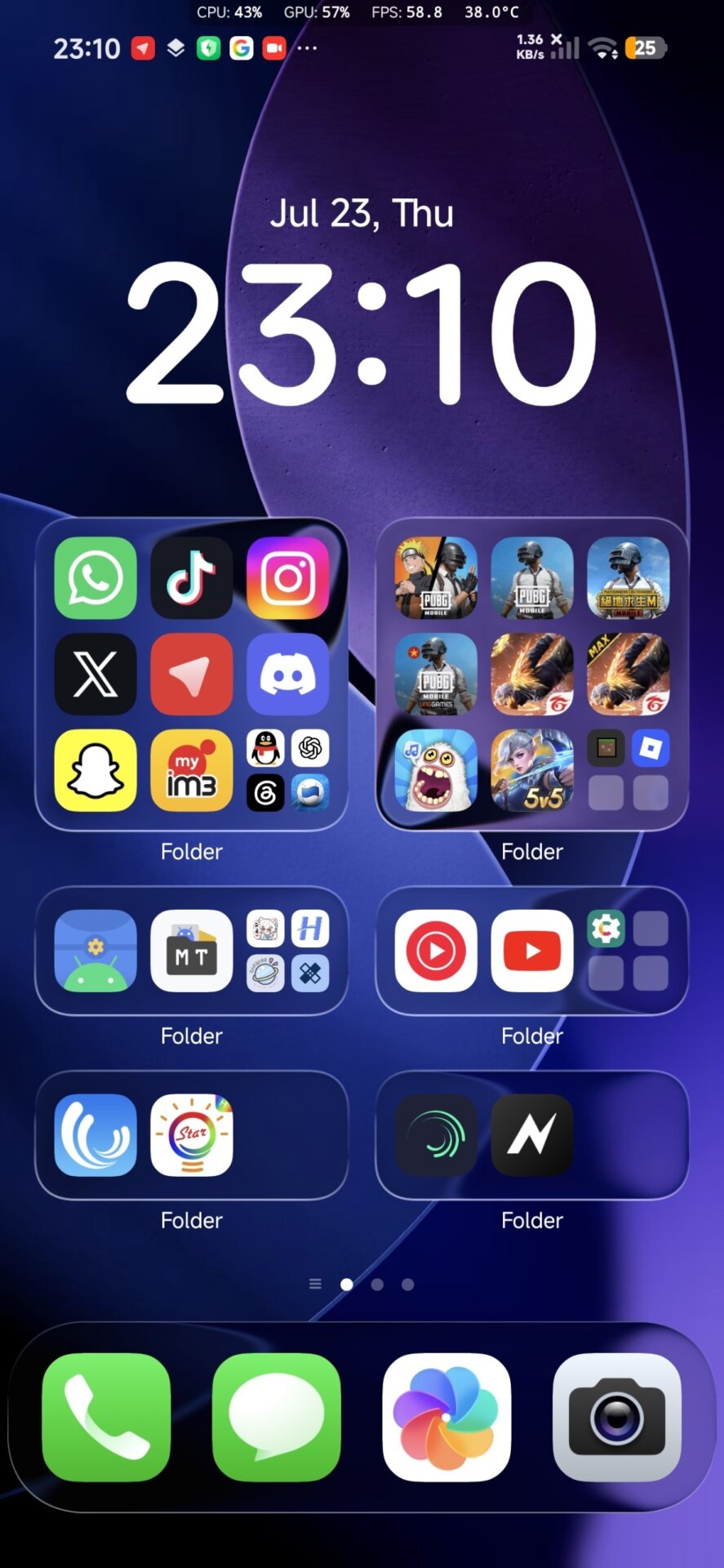
Xiaomi is expected to make major visual changes with HyperOS 4, including a new interface built around transparent layers, stronger blur and glass-like materials. New screenshots created with the work-in-progress HyperLight LSPosed module offer an early look at how this “Liquid Glass” direction could appear across the home screen, lock screen and Control Center.
However, these images do not show an official HyperOS 4 build. HyperLight is a third-party customization module that modifies Xiaomi’s system interface. The screenshots should therefore be viewed as a realistic concept preview rather than confirmation of Xiaomi’s final design. The HyperLight LSPosed module is actively maintained and includes controls for interface blur, highlights, transparency, animations and system components.
Liquid Glass goes beyond regular background blur
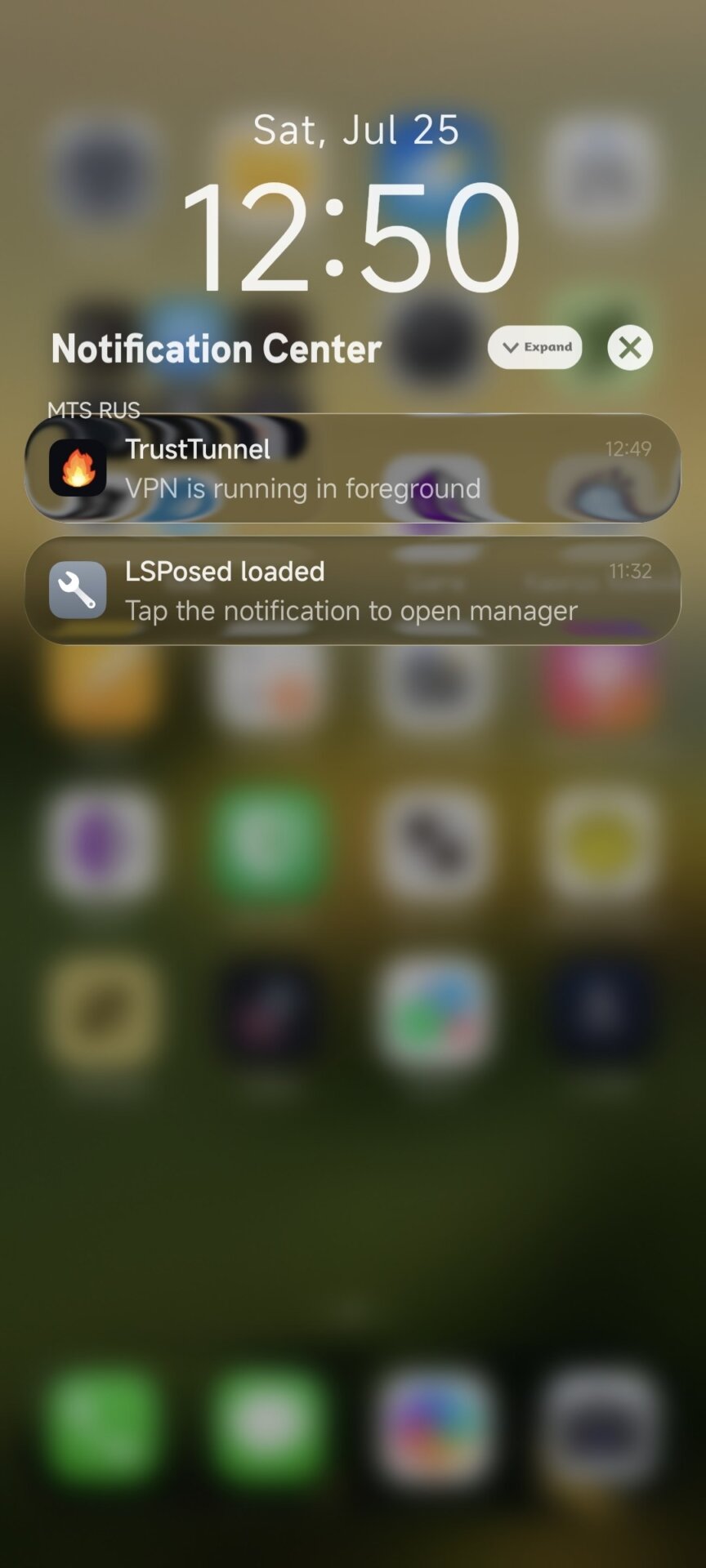
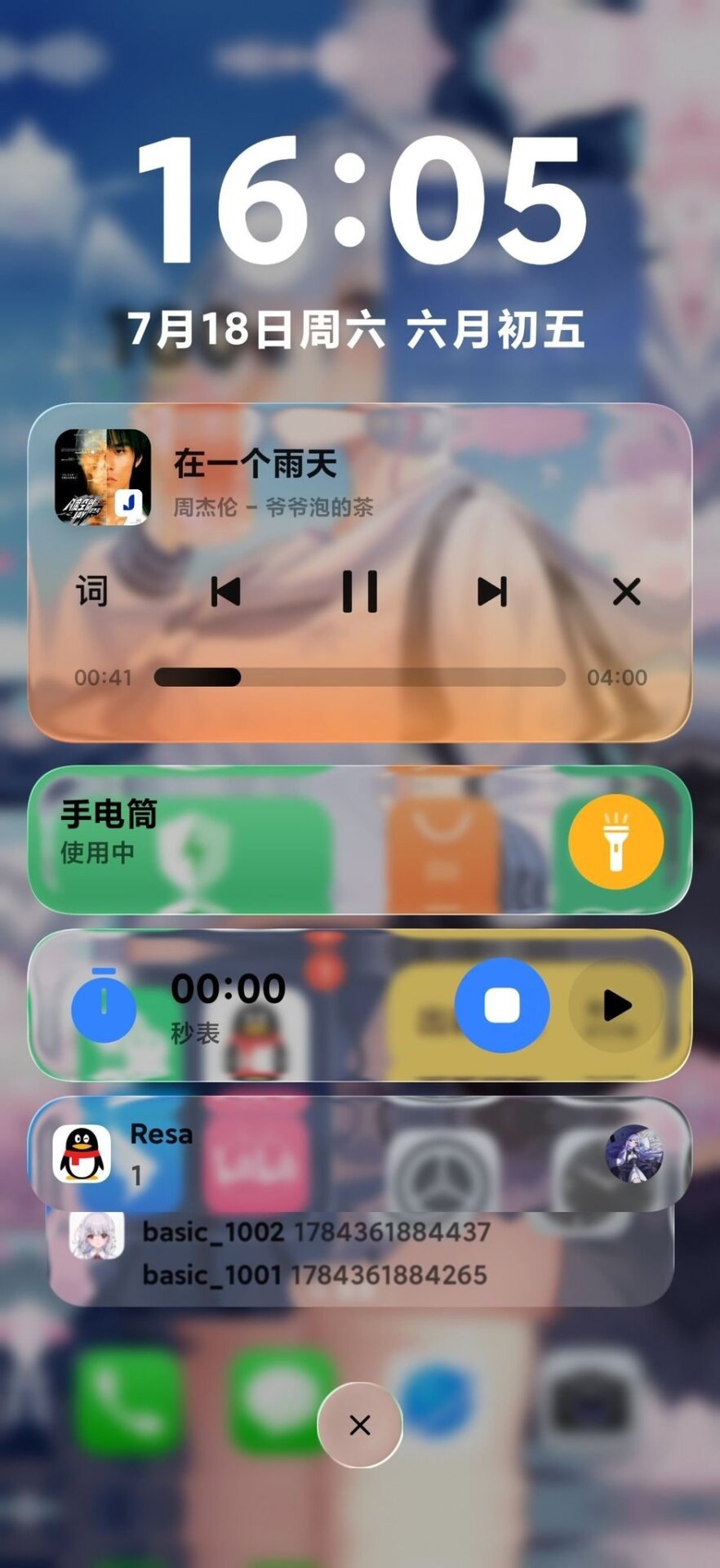
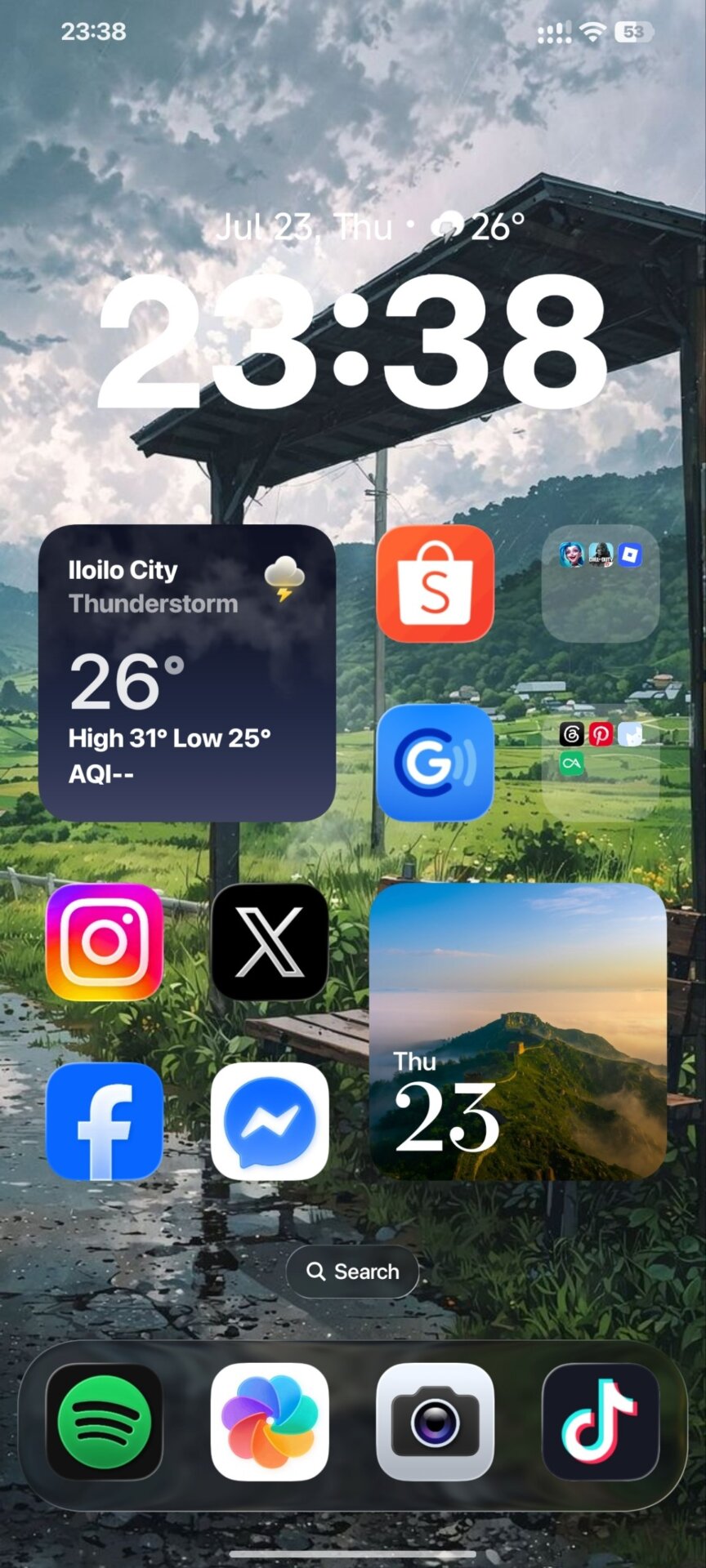
The most visible change is the heavy use of translucent surfaces. Widgets, notifications, folders and media controls allow wallpaper colors to pass through their backgrounds.
Unlike basic glassmorphism, these panels do not look like simple blurred rectangles. Their highlights, gradients and reflections create a wetter and more fluid appearance. Rounded edges and softer borders also make interface elements appear to float above the wallpaper.
The effect is especially noticeable in the notification panel. The music player, flashlight control, stopwatch and other cards use the same translucent material, producing a more consistent design across the entire screen.
Real-time blur effects are rendered through the GPU, meaning that more complex materials can increase the graphics workload. Xiaomi itself notes that Gaussian blur effects depend on GPU rendering and that performance can decrease when system resources are limited.
HyperOS Control Center gets a more distinctive layout
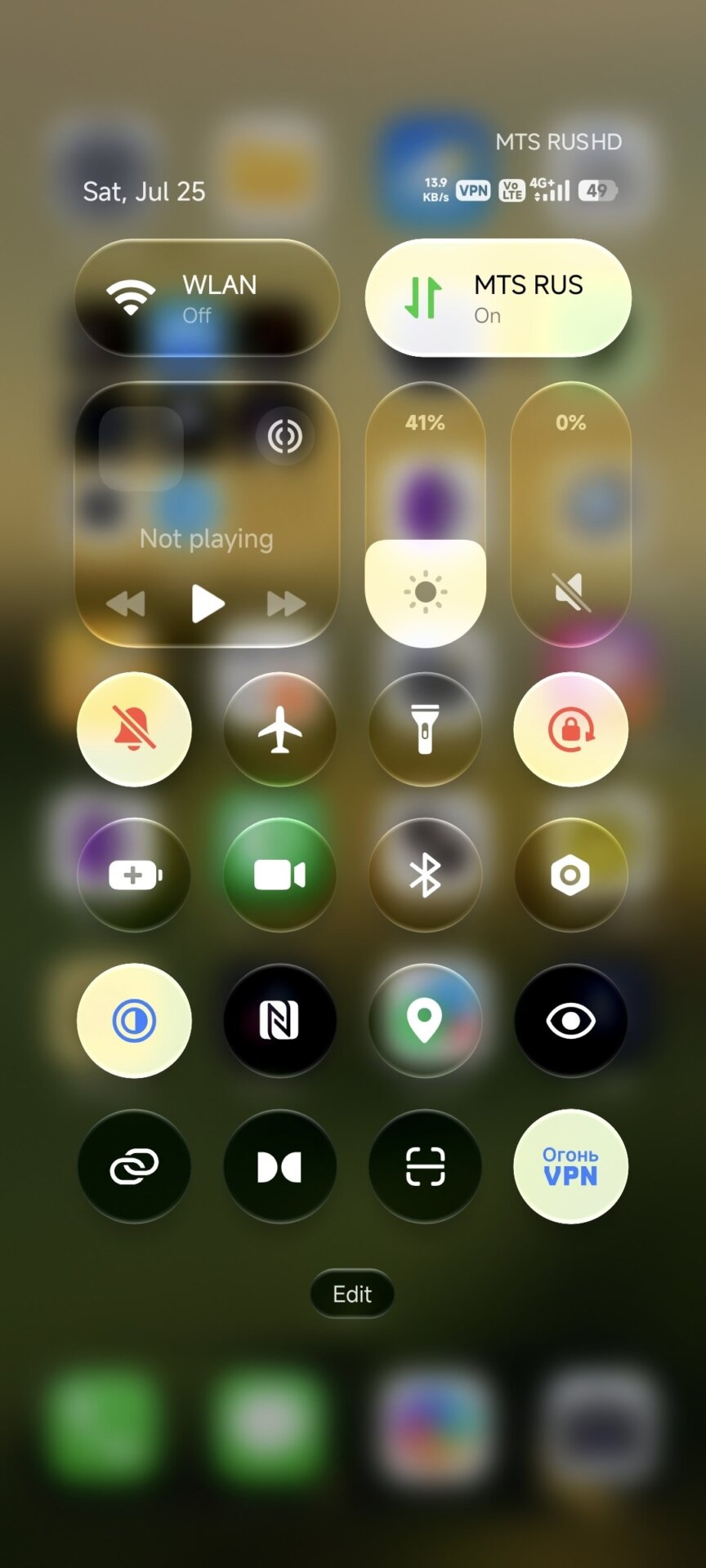
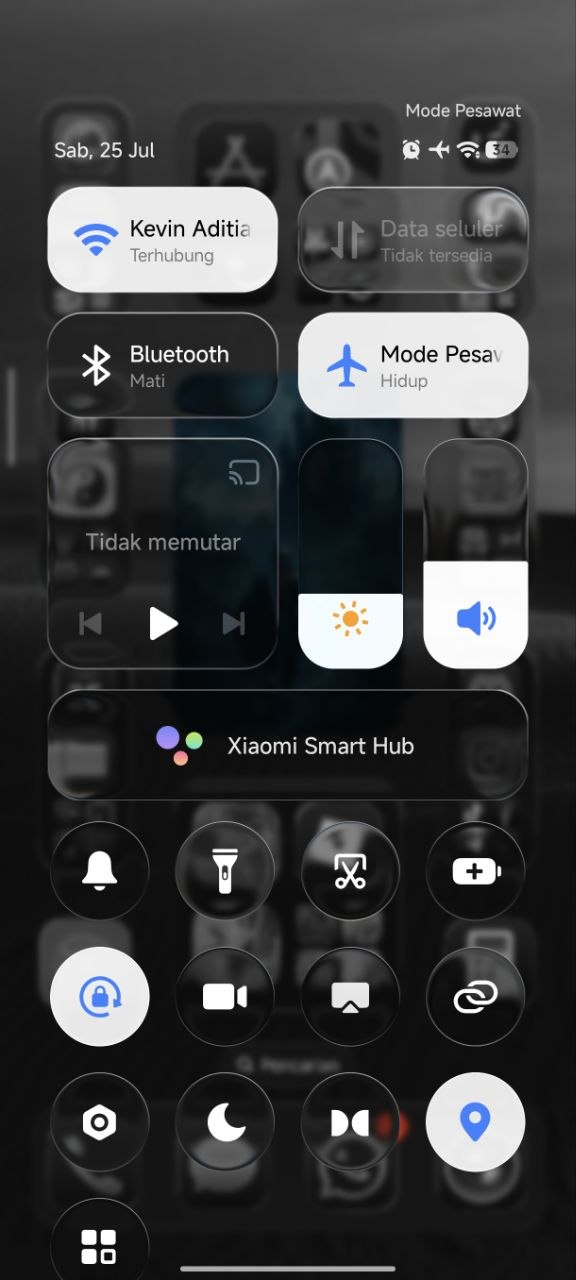
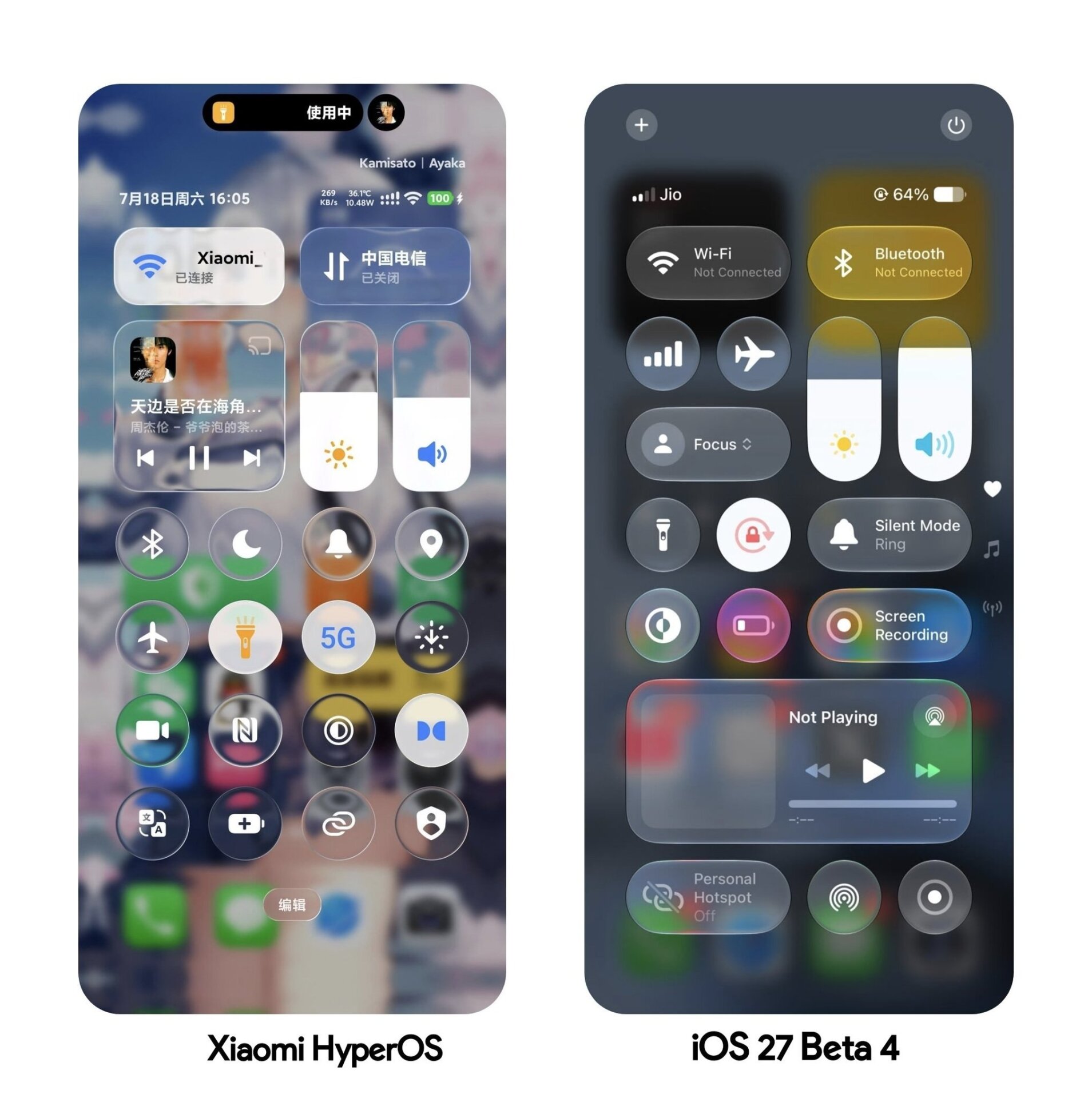
The Control Center preview combines large translucent tiles with circular quick-setting buttons. Wi-Fi and mobile network controls remain inside rounded rectangular cards, while Bluetooth, airplane mode, location and other tools use individual circles.
This geometry separates the concept from Apple’s Control Center. Apple continues to rely heavily on rounded rectangular controls, while the HyperLight design uses a denser grid of circular shortcuts.
The brightness and volume sliders also blend more naturally with the background. Instead of appearing as fully opaque bars, they use translucent containers with bright internal fill areas.
A larger media player is positioned near the bottom of the panel, while connectivity and utility controls remain above it. The layout provides access to more functions on one page but could feel crowded on smaller displays.
Home-screen widgets become part of the wallpaper
The home-screen concept demonstrates how Liquid Glass could affect more than the Control Center. Large folders, app groups, search controls and communication widgets all use semi-transparent backgrounds.
Wallpaper colors remain visible through these elements, helping the interface feel more connected to the selected theme. This works particularly well with bright anime wallpapers, where blue, pink and orange tones are reflected across the widgets.
The design also removes many hard borders. Instead of looking like separate blocks placed above the wallpaper, folders and widgets appear to be made from the same visual material.
Will Liquid Glass remain exclusive to flagship phones?
The biggest question is whether Xiaomi can deliver these effects on every device eligible for HyperOS 4. Xiaomi has previously reduced or disabled live blur on devices with more limited hardware. Some phones display a grey or transparent background instead, while others may use a captured image of the interface as a less demanding blur substitute.
Community-made HyperOS modules follow a similar strategy. One lightweight Control Center blur project intentionally disables real-time blur and animations to lower CPU and memory usage on entry-level and mid-range devices.)
This suggests that the complete Liquid Glass experience could require more powerful hardware. Flagship devices may receive live refraction, animated highlights and advanced transparency, while cheaper models could use simplified blur or static backgrounds. Xiaomi has not officially announced such a restriction, so the final device-based differences remain unknown.
Is Xiaomi copying iOS?
The comparison with Apple is unavoidable because both interfaces use translucent panels, floating controls and layered depth.
However, the HyperLight concept also includes design choices associated with Android customization. It offers denser quick settings, more flexible widget placement, circular utility controls and extensive visual adjustments.
The final result could be interpreted as Xiaomi’s response to Apple’s glass-focused interface, but it could also represent the next stage of the theming and customization culture that has existed on Android for years.
The important difference will be implementation. Xiaomi must balance appearance with readability, battery use, GPU load and performance across a very wide device range.
When will HyperOS 4 arrive?
Current reports suggest that Xiaomi could introduce HyperOS 4 during August 2026, but the exact date has not been officially confirmed. An August 16 announcement has been mentioned as a possibility, though it should still be treated as an unverified release estimate.
For now, the HyperLight screenshots provide an interesting preview of what HyperOS 4 could look like once advanced glass materials are applied across the system. They demonstrate the visual potential of Xiaomi’s new direction, but the official interface, performance requirements and supported devices may differ when HyperOS 4 is released.



that XPosed Module. Hyperlight
system apps are not updated with memeOS updater