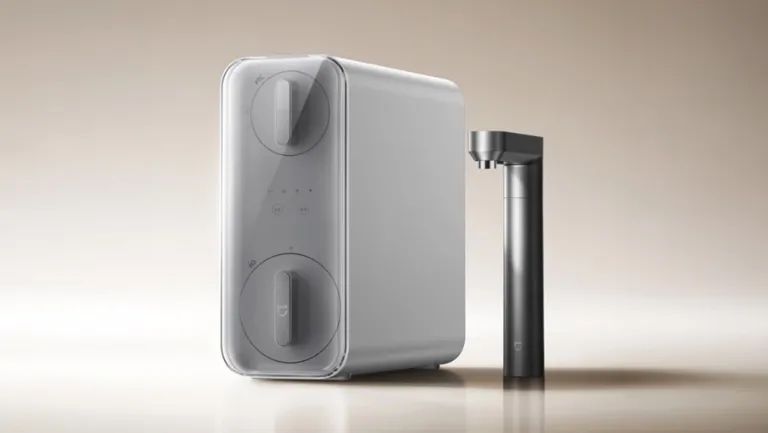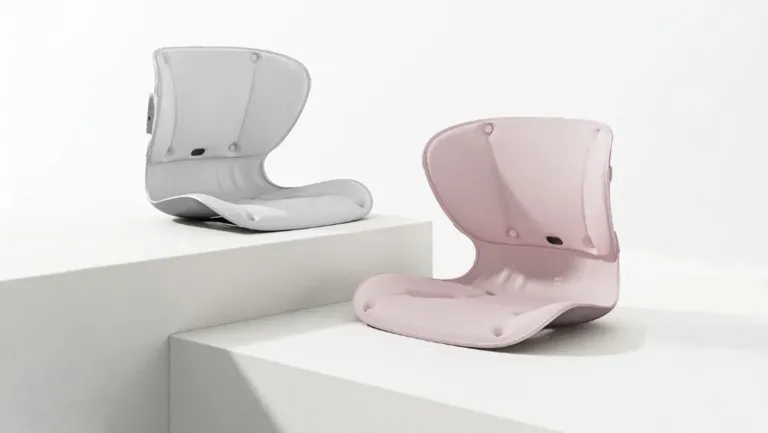
Xiaomi’s upcoming HyperOS 4 is once again being linked to the company’s new Liquid Glass-style interface, but this is not a completely new direction. Xiaomi has already shown signs of this design language before, and Liquid Glass-related code was previously found inside Hyper Launcher 7. The latest leak from Digital Chat Station now gives a clearer look at how Xiaomi may improve this visual language in HyperOS 4 with light-field interaction design, AI adaptive color picking, and Glass material effects.
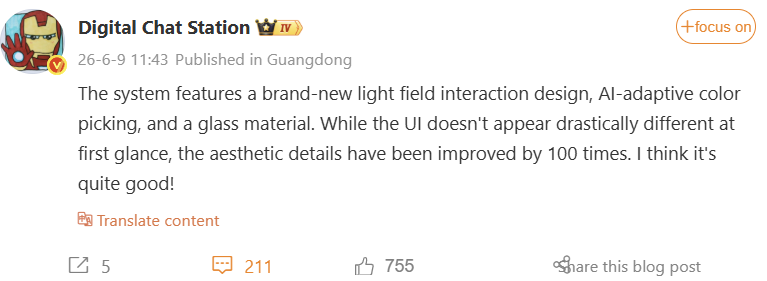
Xiaomi’s Liquid Glass direction is already visible
The new leak should not be treated as the first evidence of Xiaomi’s Glass UI plans. Earlier Hyper Launcher 7 builds had already included Liquid Glass-related code, showing that Xiaomi was preparing this design approach at the launcher level. Xiaomi also previously hinted at a more refined and dynamic visual experience for its next-generation software.
Because of that, this leak is more about details and maturity, not discovery. HyperOS 4 may continue the same design path and make the existing Liquid Glass direction more polished, consistent, and visible across more parts of the system.
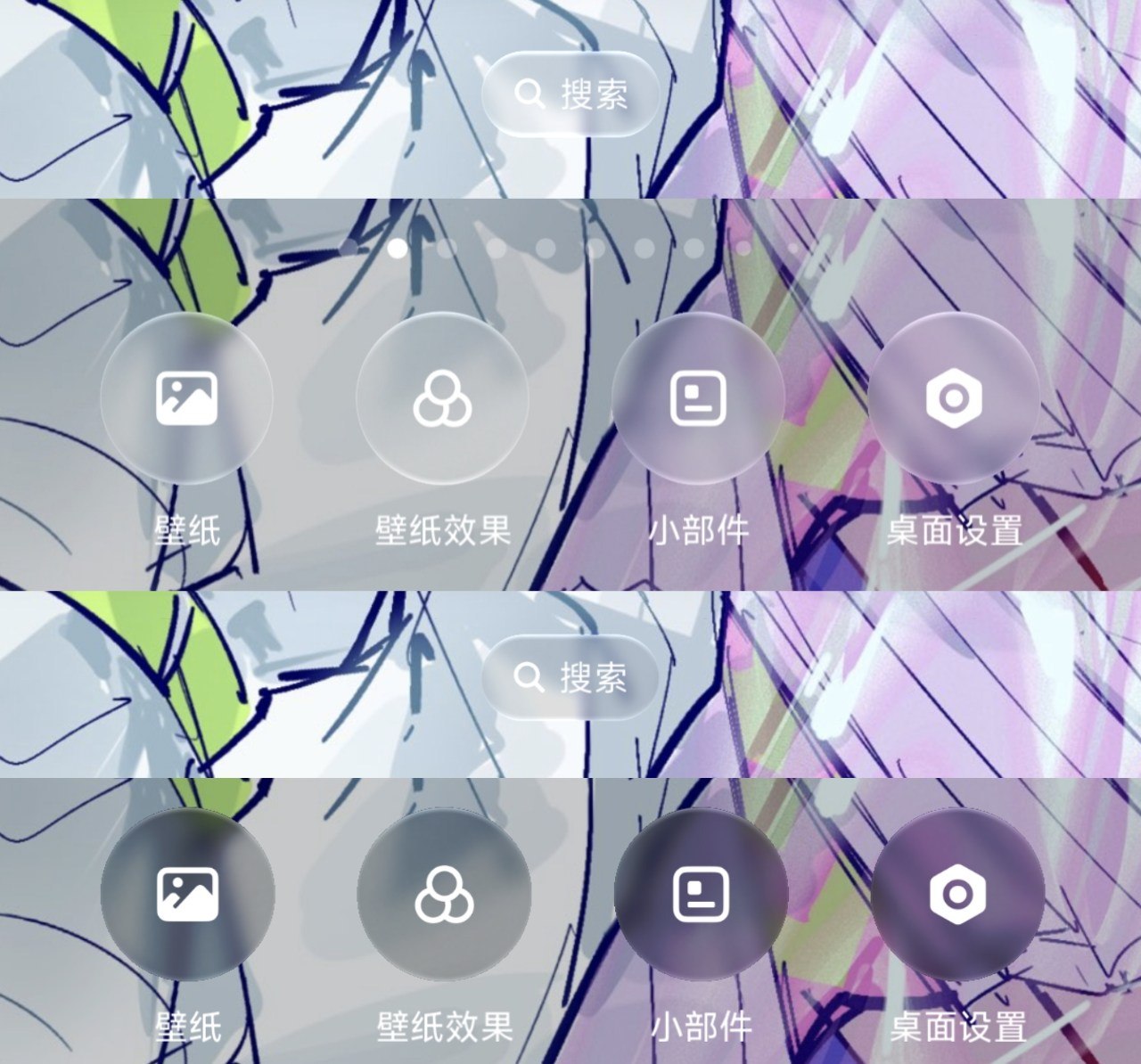
What Digital Chat Station revealed
According to Digital Chat Station, the new system uses a brand-new light-field interaction design and supports features such as AI adaptive color picking and Glass material. The blogger also noted that the system UI may not look dramatically different at first glance, but the aesthetic details have reportedly improved significantly.
This means Xiaomi may not be redesigning HyperOS from zero. Instead, the company appears to be refining the current interface with better depth, transparency, lighting effects, color adaptation, and smoother visual details.
Expected HyperOS 4 visual improvements may include:
- Light-field interaction design
- Glass material interface elements
- AI adaptive color picking
- More refined animation details
- Better transparency and depth effects
- More consistent visual behavior across system apps
- A more premium launcher and home screen experience
AI adaptive color picking may improve personalization
One of the most important details in the leak is AI adaptive color picking. This could allow HyperOS 4 to analyze wallpapers, background colors, or interface elements and automatically choose more suitable system colors. This feature added on stock Android when Google released Android 12 on 2021.
For users, this may create a more natural and personalized UI experience. The lock screen, launcher, widgets, control center, and system apps could feel more visually connected instead of looking like separate parts of the interface.
Glass Material is Xiaomi’s new design language
The mention of Glass material also matches Xiaomi’s recent software direction. Modern operating systems increasingly use blur, transparency, light layers, and depth effects to create a cleaner and more premium visual experience. Xiaomi’s implementation may combine this style with HyperOS animations and AI-based color adaptation.
This also explains why related code appeared earlier inside Hyper Launcher 7. The launcher is one of the most visible parts of the system, so it makes sense that Xiaomi tested this design language there before expanding and polishing it further in HyperOS 4.
HyperOS 4 may also continue Xiaomi’s legacy code cleanup
Beyond visual changes, HyperOS 4 is also expected to continue Xiaomi’s technical transition away from old MIUI-era code. Previous reports suggested that some HyperOS 3.1 system modules, such as Weather and Gallery and now Launcher, had already started removing legacy SDK components from the MIUI period.
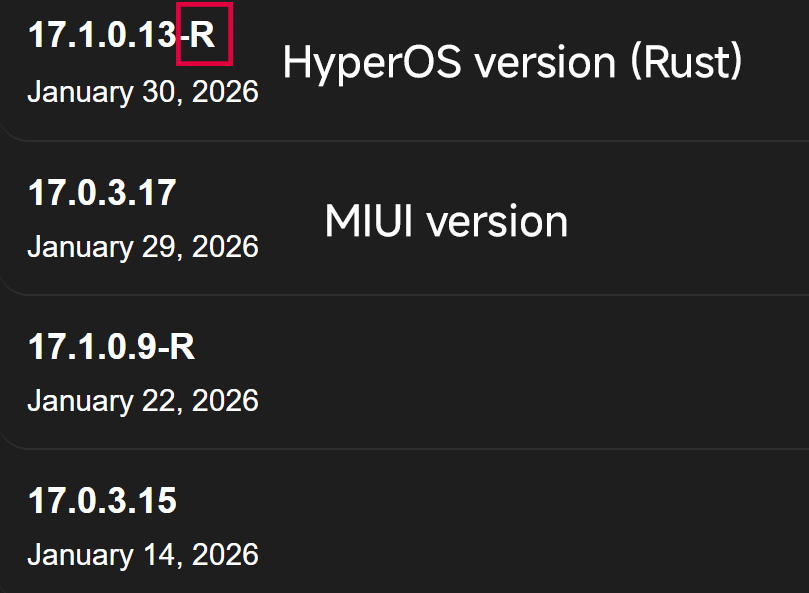
If Xiaomi continues this cleanup in HyperOS 4, the update may bring not only a more modern design but also a cleaner software foundation. This could help improve system stability, animation smoothness, and long-term update development.
Expected devices and release timeline
Current reports suggest that Xiaomi HyperOS 4 may be introduced around July or August, with beta testing expected before the stable rollout.
The first devices are expected to include:
- Xiaomi 17 series
- REDMI K90 series
Users who want to follow upcoming Xiaomi HyperOS updates, system app changes, and new build releases can track developments through platforms such as MemeOSUpdates.com or the MemeOS Enhancer app as Xiaomi prepares its next major software generation.