Xiaomi’s upcoming HyperOS 4 update may bring real-time light-field rendering, Glass materials, stacked widgets, customizable large folders, and a floating island for its AI assistant. The new details were shared by well-known leaker Digital Chat Station, who referred to an unnamed manufacturer’s operating system. However, the features and the leaker’s previous posts strongly point to Xiaomi HyperOS 4.
Nine Features Reportedly Planned for HyperOS 4
The latest leak lists nine interface and AI features that Xiaomi is reportedly testing:
- Real-time light-field rendering
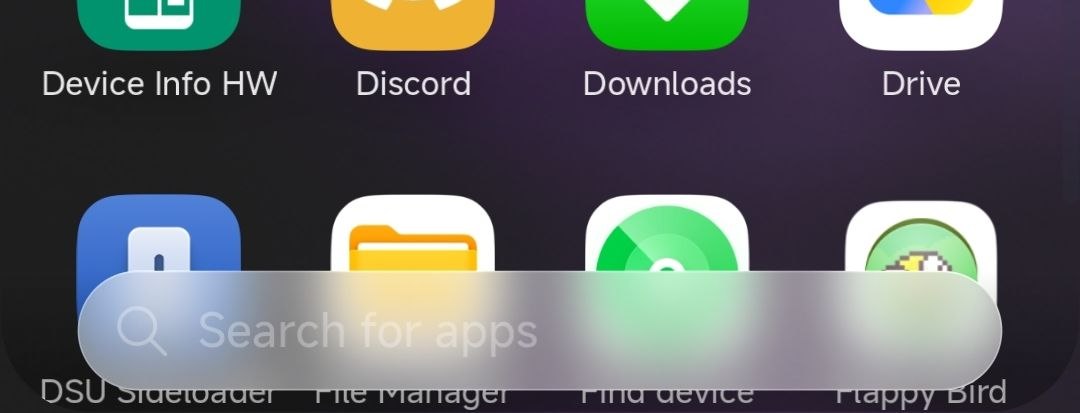
- Glass-style interface materials
- Customizable large folders
- Stacked home-screen widgets
- Stacked lock-screen notifications
- New system animations
- A floating island for AI features
- AI-based interface color blending
- Front-facing active AI perception
Real-time light-field rendering appears to be one of the main parts of Xiaomi’s new visual system. Instead of using only a fixed transparency or blur effect, interface elements may react to light, background colors, and surrounding content in real time.
This matches an earlier Digital Chat Station report about a new light-field interaction design, Glass materials, and AI-based adaptive color selection. That earlier leak was also believed to describe HyperOS 4.
Floating Island May Host Xiaomi’s AI Assistant
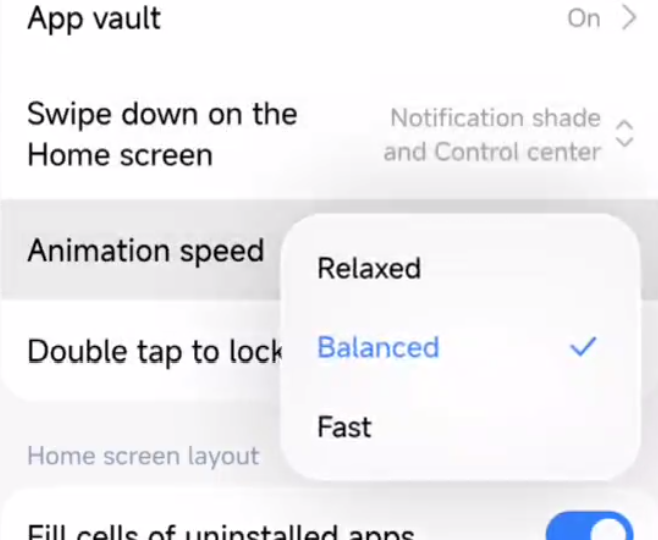
Digital Chat Station also provided more detail about the reported floating island. When a user asked whether Xiaomi’s AI voice assistant would appear inside the island, the leaker said the feature was specifically an “AI assistant floating island” and compared its role to an AI-powered Siri interface.
The exact design and supported actions remain unknown. However, the description suggests that the island could display AI responses, voice-assistant activity, live information, or contextual actions without opening a full application. It should not yet be treated as a confirmed replacement for Xiaomi’s existing notification or status-bar systems.
Active AI Perception Will Use the NPU
Another listed feature is front-facing active AI perception. The leak does not fully explain how this system will work, but it may use the front camera or nearby sensors to understand when the user is looking at the device or interacting with the screen.
A user questioned whether continuous AI perception would increase battery use. Digital Chat Station replied that power consumption would remain very low because the feature works together with the device’s NPU.
An NPU is a part of the chipset designed for AI tasks. It can process some AI workloads more efficiently than using the CPU for the same operation. Still, Xiaomi has not confirmed which devices will support active perception or whether the feature will remain enabled continuously.
Stacked Widgets and Notifications Could Reduce Screen Clutter
HyperOS 4 may also introduce stacked home-screen widgets and stacked lock-screen notifications. Widget stacking would allow several widgets to use the same area of the home screen. Users could likely move between them with a swipe instead of placing every widget separately.
The reported lock-screen notification stack may follow a similar approach. Rather than showing several full notification cards at once, HyperOS could group them into layered cards. This would leave more room for the wallpaper, clock, and other lock-screen elements.
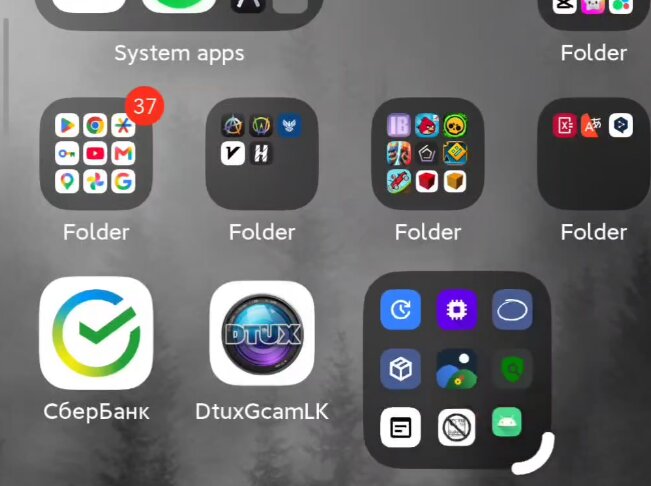
Customizable large folders are also part of the leak. Xiaomi already offers enlarged folders in current HyperOS versions, but the new option may provide more control over their size, layout, or appearance.
Previous Leaks Support the Liquid Glass Direction
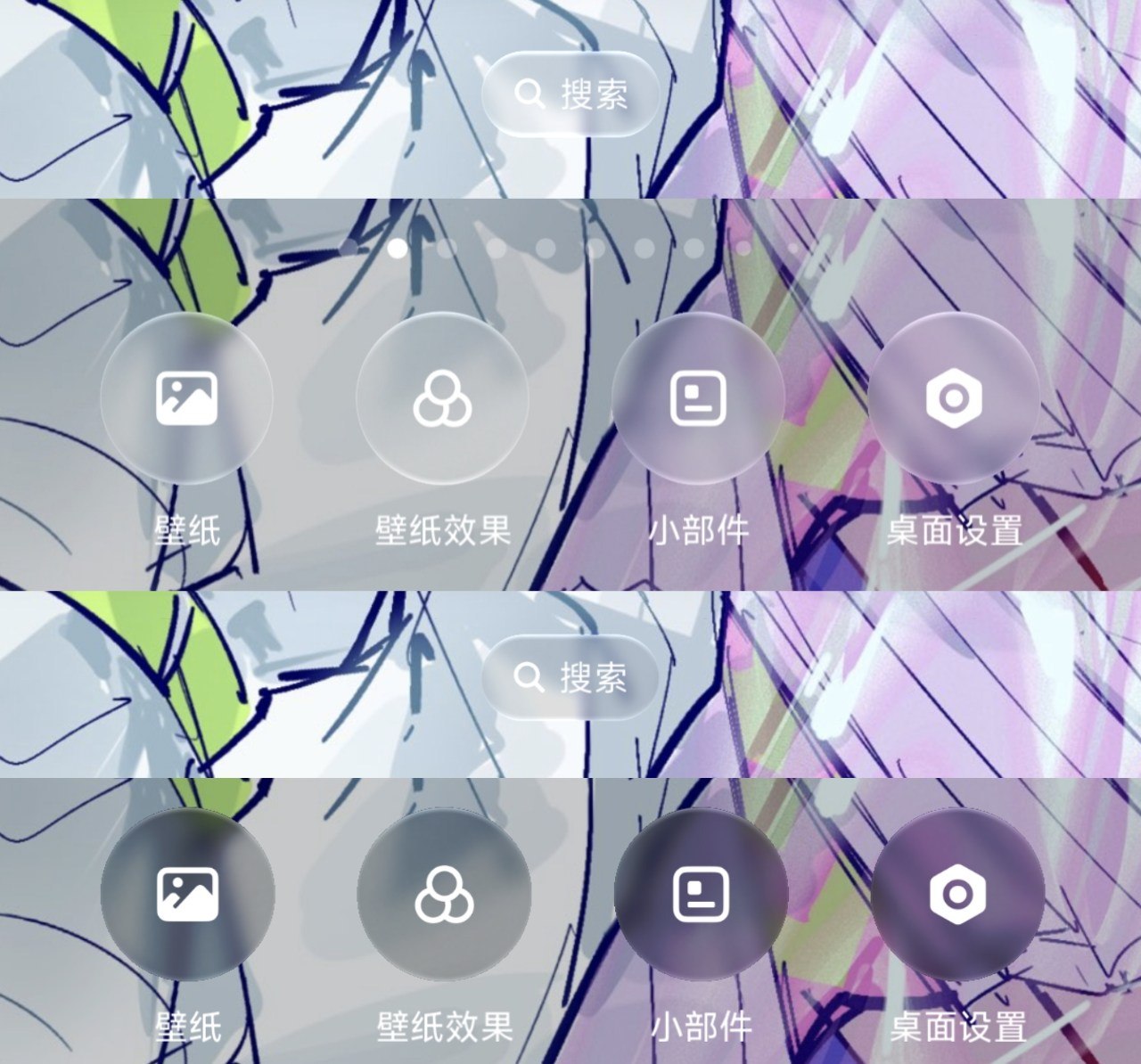
The latest report is not the first sign of Xiaomi’s new Glass-style interface. An earlier HyperOS 4 Liquid Glass concept showed transparent layers, stronger background refraction, floating widgets, and a redesigned Control Center.
More direct evidence later appeared through the leaked HyperOS 4 V8 Launcher. That build included liquid blur effects, customizable folders, bounce animations, and other interface changes linked to Xiaomi’s next operating system.
The new Digital Chat Station report supports the same design direction. Real-time light-field rendering, Glass materials, anwwwwwwwwwwwwwwwwd AI-based color blending could extend these effects beyond the launcher to notifications, widgets, system applications, and the lock screen.
Xiaomi Is Increasing Its Use of Rust System Apps
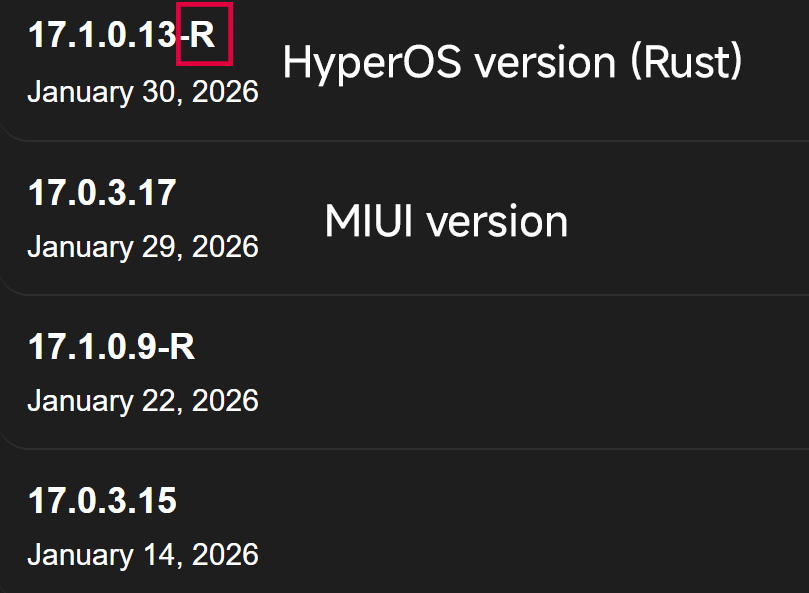
HyperOS development is also moving beyond visual changes. Xiaomi has been testing more system components built with Rust, including early launcher and Gallery implementations.
Rust can help developers improve memory safety and reduce some software errors caused by older code. However, the presence of Rust does not automatically make every application faster, and Xiaomi has not confirmed that all major HyperOS 4 applications will be rewritten.
Earlier findings suggest that Xiaomi is gradually removing older MIUI-era components while preparing newer system modules. This technical transition may also make some leaked applications harder to install on older HyperOS versions because they depend on new system frameworks.
Xiaomi Foldable Will Launch With HyperOS 4
Xiaomi’s next wide-format foldable will be the first device to ship with HyperOS 4. The phone has been referred to in reports as either the Xiaomi 18 Fold or MIX Fold 5.
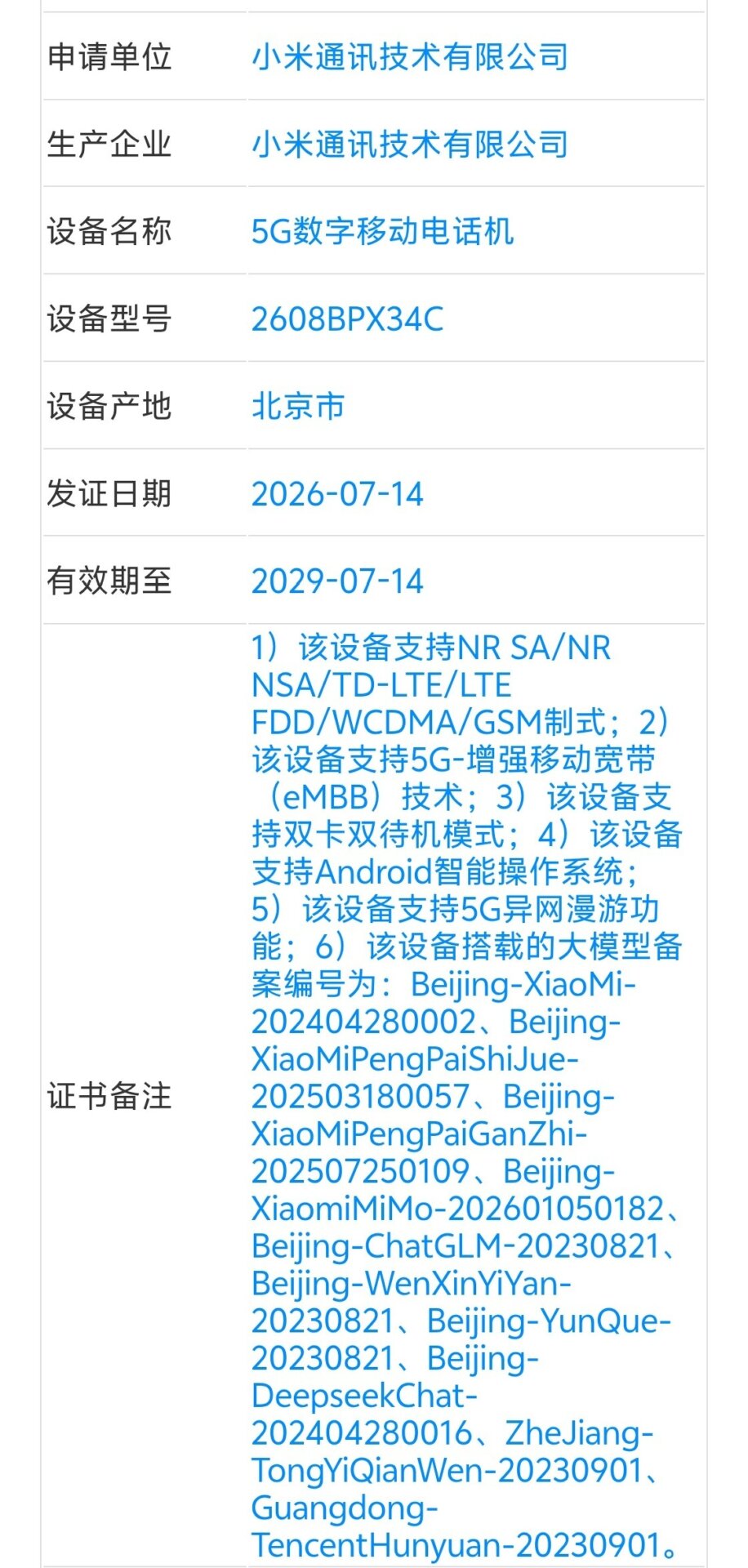
The same reports describe it as a high-end Leica flagship and an important platform for Xiaomi’s AI interaction features. Its system applications are also said to receive deeper AI integration.
These details remain unconfirmed. Xiaomi has not officially announced the device’s commercial name, launch date, HyperOS version, or position within the Xiaomi 18 family. At the moment, the strongest part of the leak is the HyperOS 4 feature list itself. The final appearance, device support, regional availability, and release schedule are still unknown. Users can check their device’s future HyperOS 4 eligibility through MemeOS Enhancer. Eligibility and feature availability may vary by model, region, and software version.