
The Xiaomi 18 Pro and 18 Pro Max feature a hardware-level privacy display similar to the one debuted by Samsung’s Galaxy S26 Ultra. However, this privacy technology shows a clear downside: it reduces the overall image quality of the Xiaomi 18 Pro’s OLED screen.
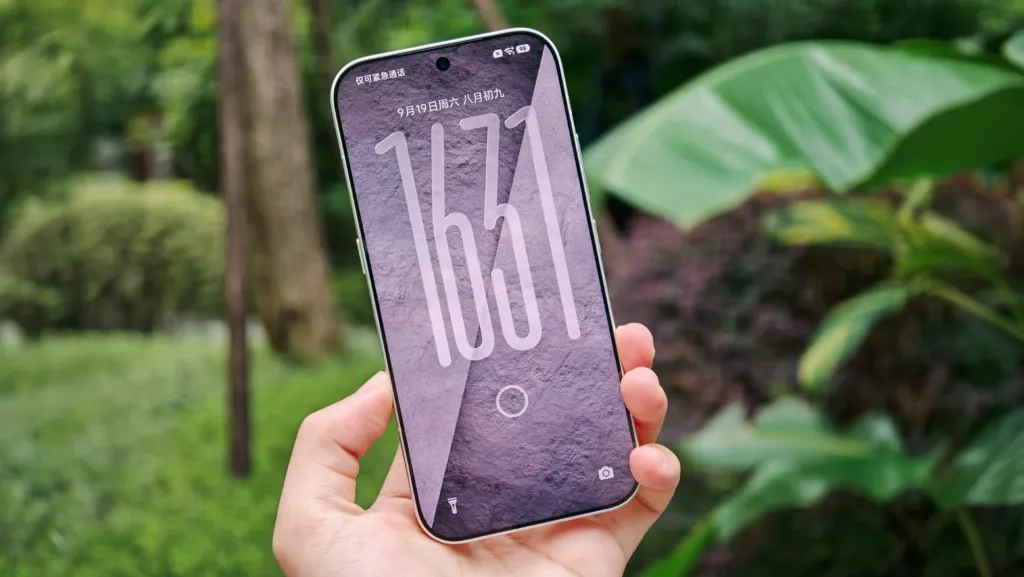
Leaker Ice Universe highlighted this issue in a comparison video on X, showing that even with the privacy mode turned off, the Xiaomi 18 Pro’s display appears dimmer and offers poorer image quality than last year’s Xiaomi 17 Ultra. The downgrade is especially visible when viewing the screen from side angles.
Using a privacy display on the Xiaomi 18 Pro series may be Xiaomi’s biggest mistake this year.
Xiaomi 18 Pro on the left, Xiaomi 17 Ultra on the right.
Even with Privacy Mode turned OFF, the Xiaomi 18 Pro already shows noticeably worse brightness, visibility, and image quality… pic.twitter.com/au3FwL4rui
— Ice Universe (@UniverseIce) September 25, 2026
This diminished visual quality results from the pixel-level implementation of the privacy display. While the privacy feature aims to prevent others from easily seeing the screen content from an angle, it compromises the brightness, color fidelity, and viewing angles of the panel.
Ice Universe argued that this “undeniable display downgrade” could be Xiaomi’s biggest mistake in 2024. The leaker urged Xiaomi management to acknowledge this flaw and reconsider the use of such risky display technologies in future flagship models.
Samsung Privacy Display Trends Continue
The problems with privacy displays are not unique to Xiaomi. The same technology affected the Samsung Galaxy S26 Ultra, and leaks suggest Samsung will keep this feature in its upcoming Galaxy S27 Ultra and S27 Pro models. This means Samsung users should also expect similar compromises in optical clarity and brightness in their next phones.
Impact on Users
For Xiaomi 18 Pro buyers, the privacy display offers extra screen content protection but at the cost of visual quality. Users who prioritize display brightness and viewing angles might find this trade-off disappointing. The issue raises important questions about balancing privacy features with core visual experience in premium smartphones.