Xiaomi has officially updated its Product Security Center , confirming that it has ended software support for several smartphones and tablets. While many of these devices had already reached their previously announced support deadlines, they have now been officially added to Xiaomi’s End of Life (EOL) list , meaning they will no longer receive Android updates, HyperOS updates, or future security patches.
Officially added to Xiaomi’s EOL list
The following devices have reached the end of their official software support lifecycle:
Xiaomi
- Xiaomi 12
- Xiaomi 12 Pro
- Xiaomi 12S Ultra (China)
- Xiaomi Pad 6 (China)
- Xiaomi Pad 6 Pro (China)
BIT
- POCO X4 Pro 5G (EEE)
- POCO X5 5G (Türkiye)
- POCO X5 Pro 5G (Indonesia)
REDMI
- REDMI Note 12T Pro (China)
- REDMI K60E (China)
- Redmi 10 5G (EEE)
Depending on the region, other regional variants of the Xiaomi 12 and Xiaomi 12 Pro firmware have also been marked as «end of life,» including the Global, EEA, Turkey, Taiwan, Indonesia, Russia, and China versions.

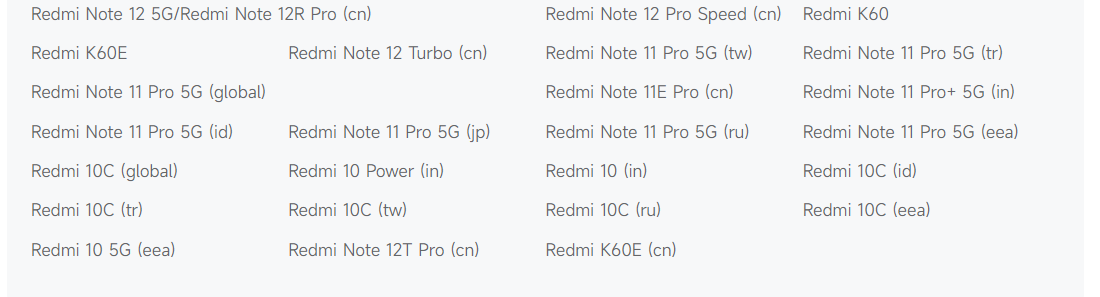
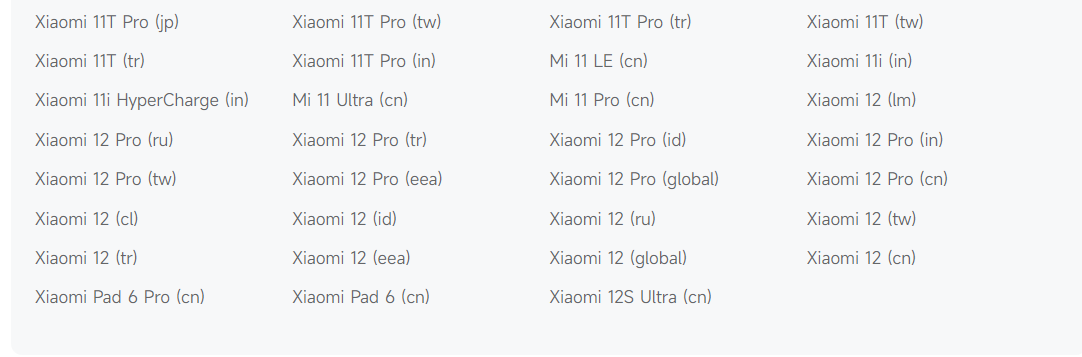
What does «end of useful life» mean?
When a device appears on Xiaomi’s end-of-life list, it means that it will no longer receive:
- Android version updates
- Xiaomi HyperOS feature updates
- Monthly or quarterly security patches
- Official vulnerability fixes
- Maintenance versions to fix bugs
The devices will continue to function normally, but security vulnerabilities and software issues discovered from now on will no longer be fixed through official updates.
Support had already expired, but now it’s official
For many users, this announcement comes as no surprise. Most of these devices had already reached the end of their promised software support period, as outlined in Xiaomi’s update policy. Today’s change simply formalizes their status by adding them to Xiaomi’s public «end-of-life» list.
This is part of Xiaomi’s regular software lifecycle, as new flagship and mid-range devices replace previous generations in the company’s active update program.
Should users switch devices?
Although these devices continue to function perfectly, users who prioritize long-term security, new Android features, and future Xiaomi HyperOS improvements may want to consider upgrading in the coming months.
Users who continue to use these devices should:
- Install the latest available official firmware
- Keep apps updated through Google Play
- Avoid installing software from unknown sources
- Make regular backups of important data
Xiaomi’s strategy
Xiaomi regularly updates its official Product Security Center as devices complete their promised software support lifecycle. While older models enter «end-of-life» status, newer smartphones continue to receive Android updates, Xiaomi HyperOS versions, and long-term security maintenance, all under the company’s extended software support policy.
If you’re unsure whether your Xiaomi device is still eligible for updates, you can check its complete software lifecycle at MemeOSUpdates.com . Our interactive MIUI and HyperOS lifecycle chart shows both the official start date for updates and the end-of-support date for hundreds of Xiaomi, Redmi, and POCO devices, making it easy to see how long your phone will continue to be supported and when it will reach «end of life» (EOL).