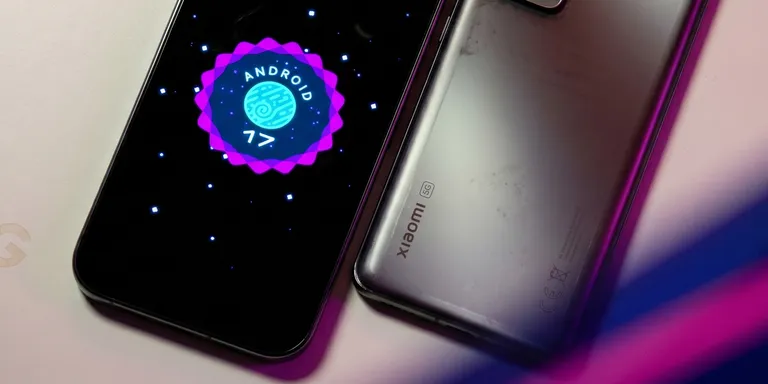
Android 17 is now officially rolling out to compatible Google Pixel devices, marking the start of the next major Android cycle. For Xiaomi, Redmi, and POCO users, this doesn’t mean an immediate global release, but it does give us a clear idea of the features Xiaomi might incorporate into upcoming HyperOS versions. Google states that Android 17 will arrive first on Pixel devices, with the rest of the compatible Android devices receiving it throughout 2026.
What does Android 17 bring to the system?
Android 17 focuses less on visual redesign and more on multitasking, privacy, security, and tools designed for creators. One of the most significant new features is «App Bubbles ,» a new floating window system that allows users to turn compatible apps into compact floating windows. On tablets and foldable devices, these bubbles can be managed from a dedicated bar, making multitasking much more like the desktop experience.
Another important feature is Screen Reactions , which lets you record your screen and face simultaneously. It’s designed for reaction videos, tutorials, gameplay clips, and social media content. Google had already described it as an Android feature for creators, and now it’s part of the broader Android 17 experience.
Changes in privacy and security
Android 17 also brings several privacy improvements that Xiaomi users will likely notice when the HyperOS update arrives. A new temporary location permission option lets you grant location access only until you close the app. This is more convenient than allowing access permanently or having to manually disable the permission later.
Google has also added a new contact picker , similar in concept to Android’s photo picker. Instead of giving an app full access to your entire contact list, you can select only the specific contacts you want to share. The Android developer documentation confirms that this picker is designed as a way to share selected contact data with apps without requiring permissions.
There are also stronger anti-theft and lock screen protections. Android 17 makes it harder for attackers to guess a PIN or password by reducing the number of quick attempts and increasing the timeouts between failed attempts. The lock screen also displays information about failed attempts more clearly, helping users understand what happened without exposing sensitive data.
Find Hub offers stricter protection for devices
Android 17 improves device protection within Find Hub . When you try to remotely lock a device, the system now prompts you for the device PIN. This adds another layer of verification and reduces the risk of someone abusing access to a Google account session to control a lost or stolen device.
For Xiaomi users, this could work in conjunction with Xiaomi’s own device security and location features within HyperOS. Final behavior may vary depending on the region, the availability of Google services, and whether the device is running a global, EEA, Indian, or Chinese ROM.
Improvements to the user interface and usability
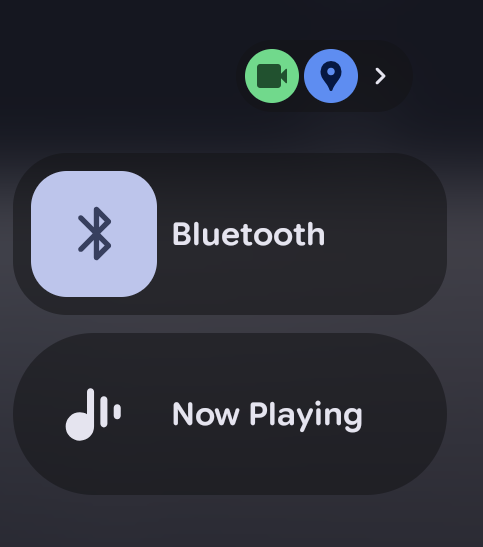
Android 17 also improves smaller but important interface details. The permission indicators in the status bar and Quick Settings panel are now larger and easier to understand. This should make microphone, camera, and location activity more visible to users.
Another useful change is the new independent volume control for the Assistant . Instead of mixing the Assistant’s audio with the overall media volume, Android 17 lets you adjust the Assistant’s voice level separately. This is especially useful for users who rely on voice assistants but don’t want sudden, loud responses.
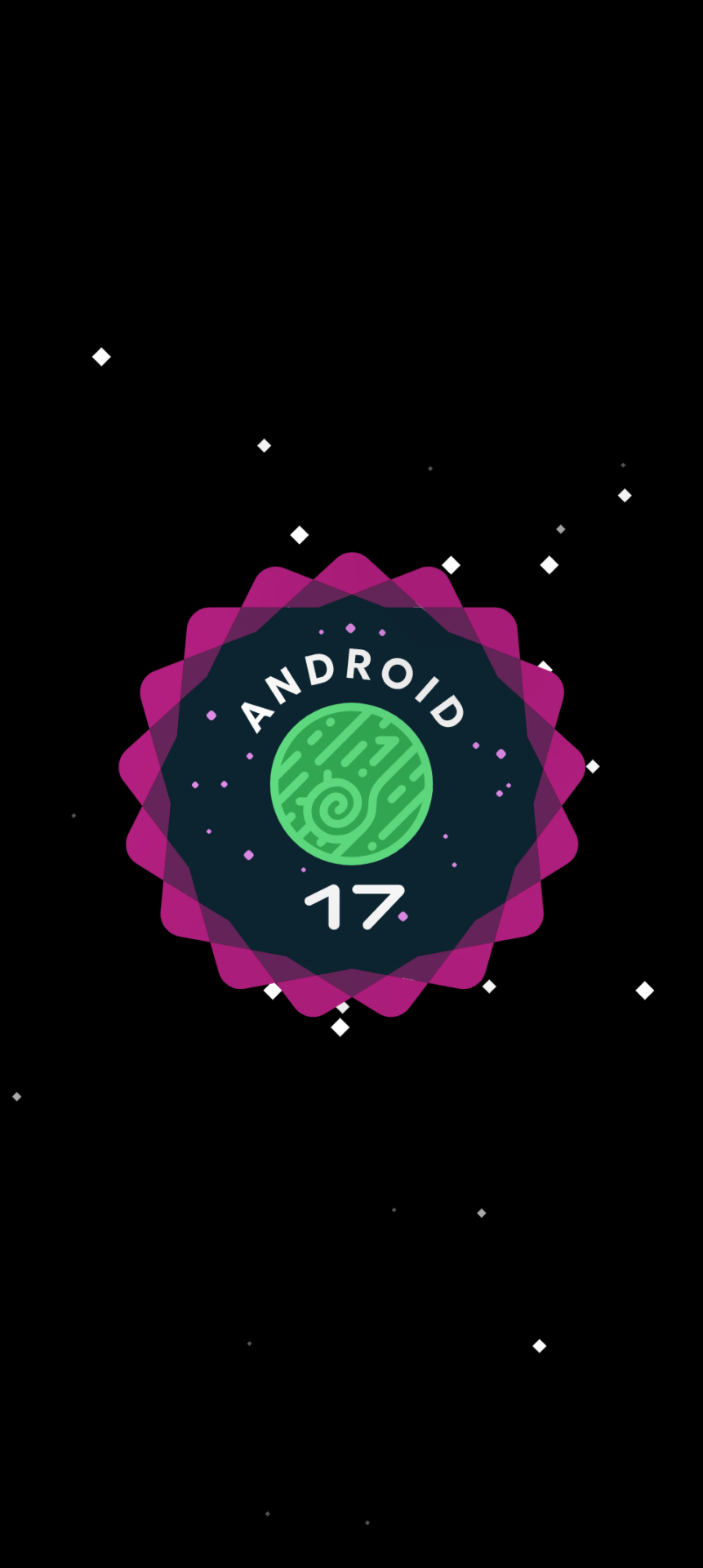
Google has also included the typical Android «Easter egg» , continuing the tradition of hiding a fun little feature within the Android version’s screen.
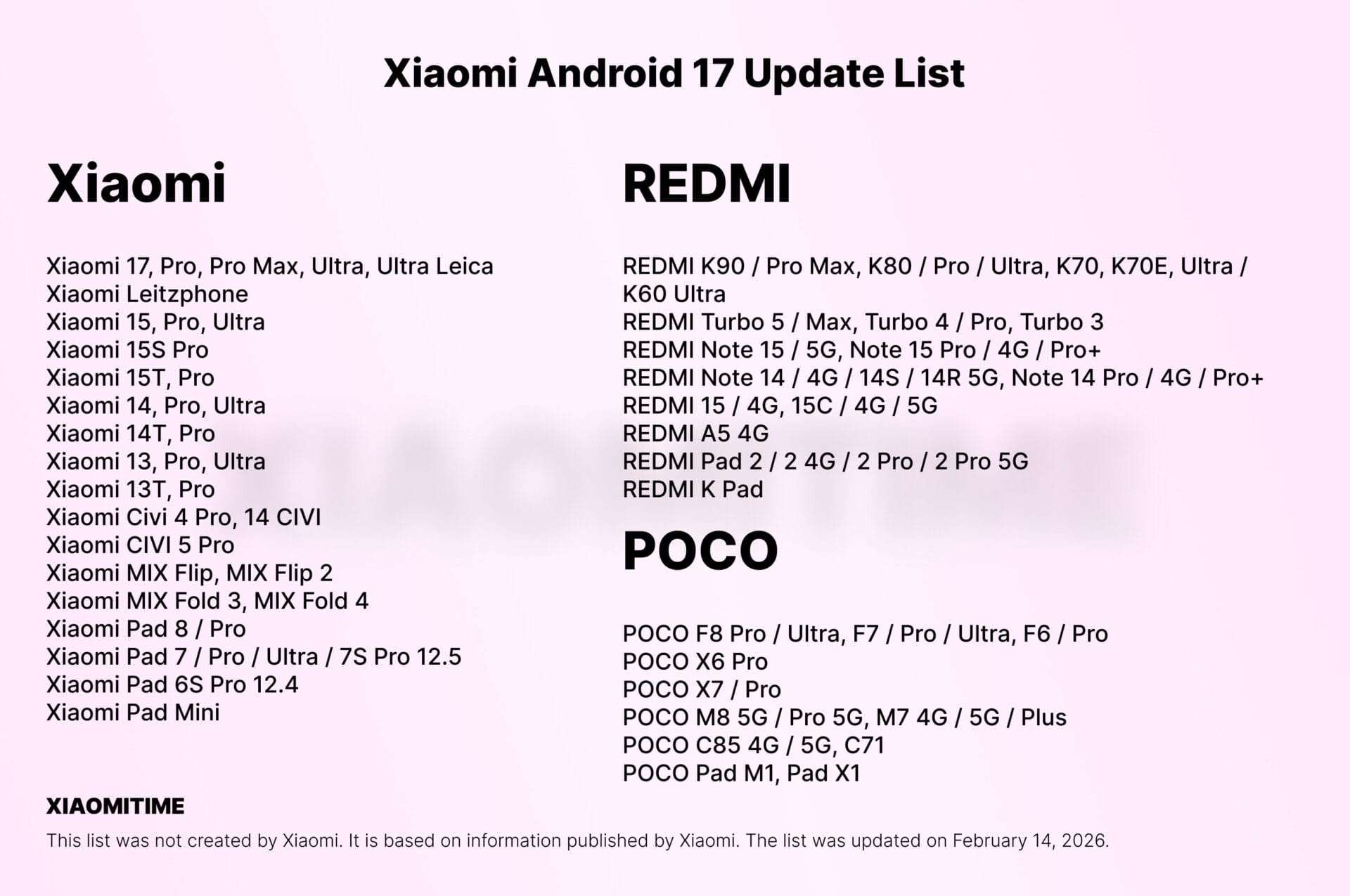
Xiaomi, REDMI and POCO devices affected
According to Xiaomi’s shared Android 17 update list, many recent Xiaomi, Redmi, and POCO models are expected to receive it. This list wasn’t created directly by Xiaomi, but it’s based on information published by Xiaomi and an analysis of their update policy.
Xiaomi devices expected to receive Android 17 include:
What does this mean for HyperOS?
For Xiaomi users, Android 17 will likely arrive as part of a future update to Xiaomi’s HyperOS , rather than as a standard Android update. Xiaomi typically adapts changes from Google’s base Android version to its own system layer, meaning that features like App Bubbles, permission indicators, temporary location access, and the contact picker could appear with Xiaomi-specific UI tweaks.
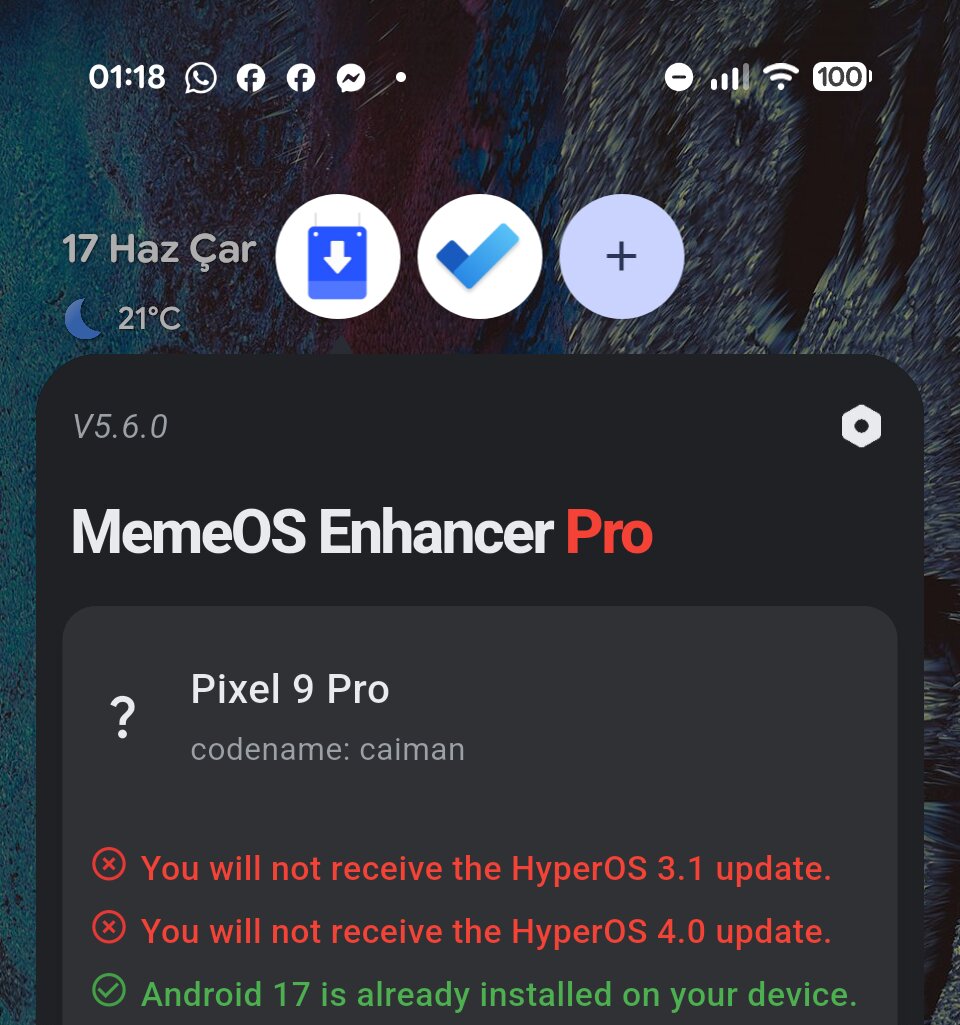
The MemeOS Enhancer app includes a built-in Android update checker , allowing Xiaomi, Redmi, and POCO users to check if their device is expected to receive Android 17 and future HyperOS updates. This makes it easy for users to verify their eligibility without having to wait for manual release lists or regional announcements.